check

check

check

check

check

check
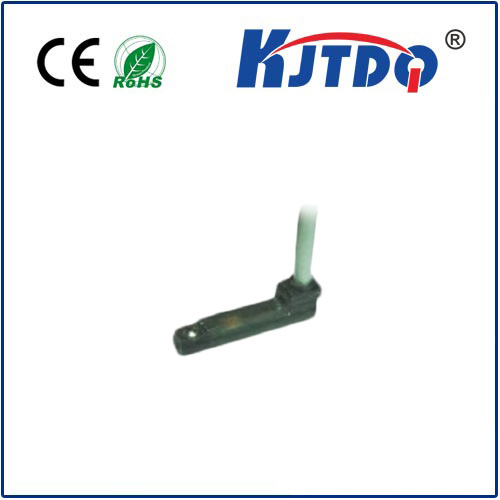
In the world of industrial automation and machinery, precision, reliability, and durability are non-negotiable. This is where the magnetic proximity switch sensor, a cornerstone of modern control systems, truly shines. Unlike traditional mechanical switches that require physical contact, these sensors operate on a principle of non-contact detection, offering a significant leap in performance and longevity. The core technology revolves around a simple yet powerful interaction: a permanent magnet and a reed switch or a magnetically sensitive semiconductor element like a Hall-effect sensor.
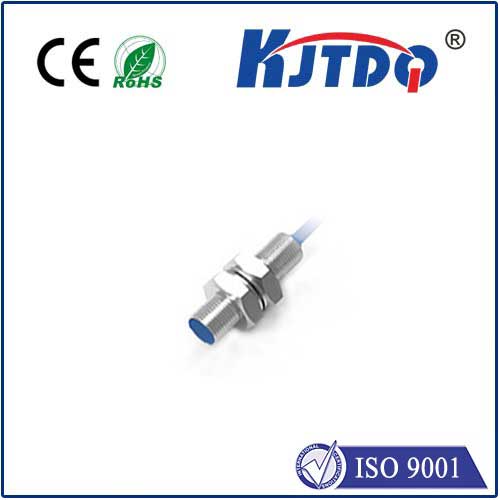
When a ferromagnetic target, such as a steel gear tooth, a machine part, or a dedicated actuator, approaches the sensor's magnetic field, it triggers a change in the sensor's internal state. This change is swiftly converted into a clean electrical signal—either opening or closing a circuit. This entire process happens without any physical touch, eliminating issues like wear and tear, contact bounce, and contamination from dust, oil, or moisture. This makes magnetic proximity sensors, including models like the KJTDQ series, exceptionally suited for harsh environments where other sensors might fail.
The applications for magnetic proximity switch sensors are vast and critical. They are the silent sentinels in manufacturing plants, performing essential tasks like position sensing on linear actuators, detecting the presence or absence of parts on a conveyor belt, counting rotations by sensing gear teeth or encoder wheels, and providing end-of-travel limits on automated machinery. In the automotive sector, they are integral for detecting wheel speed for anti-lock braking systems (ABS) and sensing camshaft/crankshaft position. Even everyday appliances like dishwashers and washing machines use them to monitor door position for safety.
Choosing the right sensor, such as a KJTDQ magnetic proximity switch, involves considering several key parameters. The sensing distance, or switch point, is crucial and must be specified for the specific target material. Operating voltage and output type (e.g., NPN/PNP transistor, NO/NC contacts) must be compatible with your control system. Environmental factors like temperature range, ingress protection (IP) rating for water and dust resistance, and resistance to shock and vibration are paramount for long-term reliability. The robust construction of a well-designed magnetic sensor ensures it can withstand electromagnetic interference (EMI), voltage spikes, and continuous mechanical stress.
The advantages over other sensing technologies are compelling. Compared to inductive proximity sensors, magnetic variants can detect through non-ferrous materials like aluminum, plastic, or stainless steel housings, allowing for completely sealed designs. They are generally more cost-effective for long-range detection compared to some optical sensors and are immune to problems caused by dirt, fog, or ambient light. Their simplicity translates to high switching speeds and virtually infinite operational life, as there are no moving parts to wear out in the sensing element itself.
Installation and maintenance are straightforward. Typically, the sensor body is mounted securely, and the mating magnet or ferrous target is positioned within the specified sensing range. Proper alignment is key for consistent operation. Once installed, these sensors require minimal upkeep, providing a "fit-and-forget" solution that reduces downtime and maintenance costs. For engineers and system integrators, incorporating a reliable component like the KJTDQ magnetic proximity switch sensor means designing more robust, efficient, and fail-safe automated systems.
In conclusion, the magnetic proximity switch sensor represents a perfect blend of elegant physics and practical engineering. Its ability to provide contactless, wear-free switching in demanding conditions makes it an indispensable component across countless industries. For applications demanding unwavering reliability, from high-speed production lines to safety-critical monitoring, understanding and utilizing this technology—exemplified by high-performance series like KJTDQ—is essential for achieving optimal operational efficiency and system integrity.