check

check

check

check

check

check
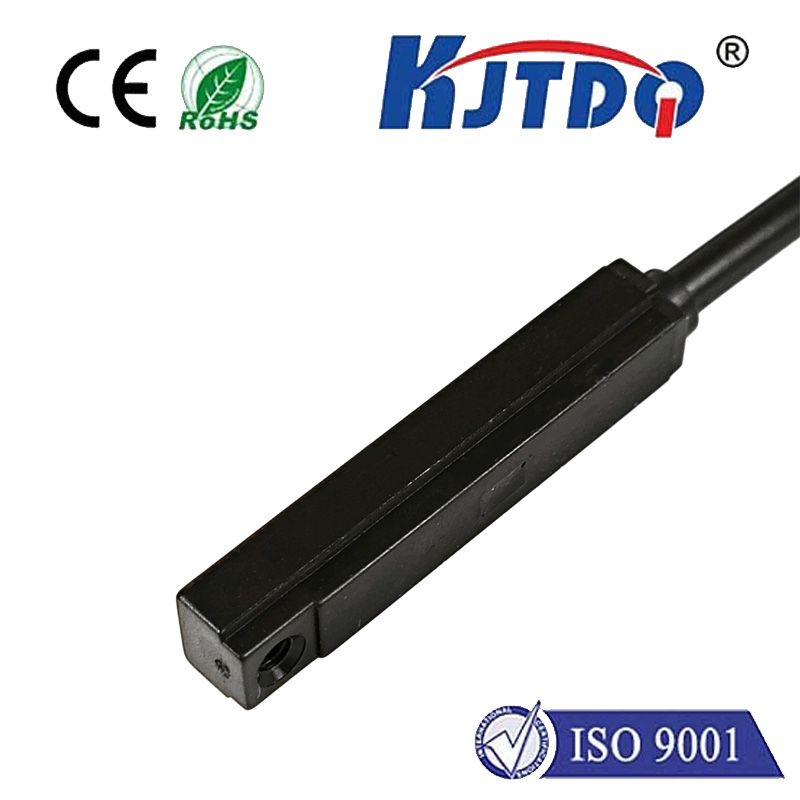
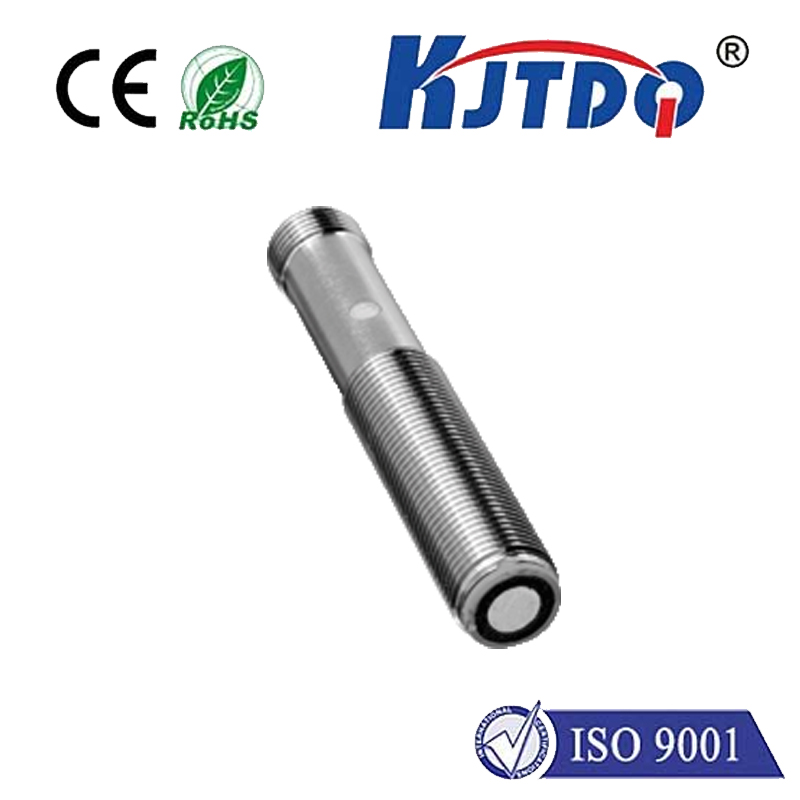
In the fast-paced world of industrial automation and robotics, the demand for sensors that can keep up is relentless. Among the most critical components in this ecosystem is the high speed proximity sensor. This device is not just another piece of hardware; it is the silent guardian of efficiency, safety, and precision on countless production lines and within sophisticated machinery. Unlike standard sensors, a high-speed variant is engineered to detect objects and measure distances with exceptional rapidity and accuracy, often operating in the millisecond or even microsecond range. This capability is paramount in applications where timing is everything, such as high-speed sorting, precision assembly, robotic guidance, and packaging.
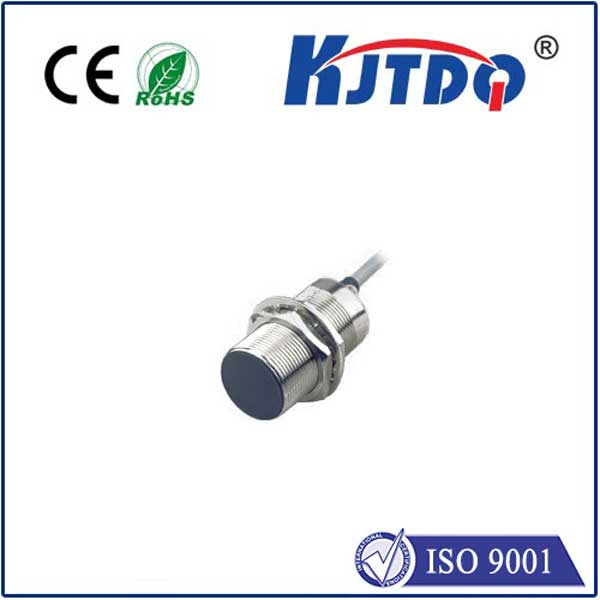
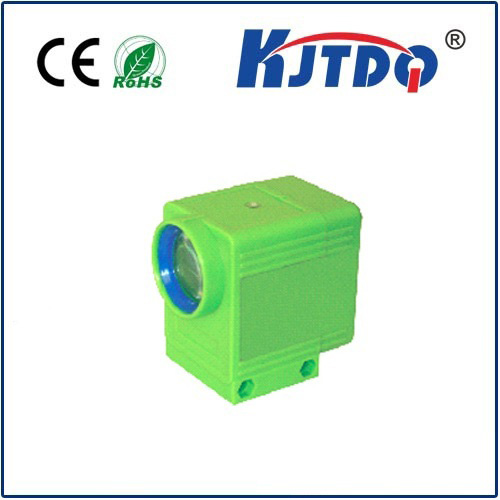
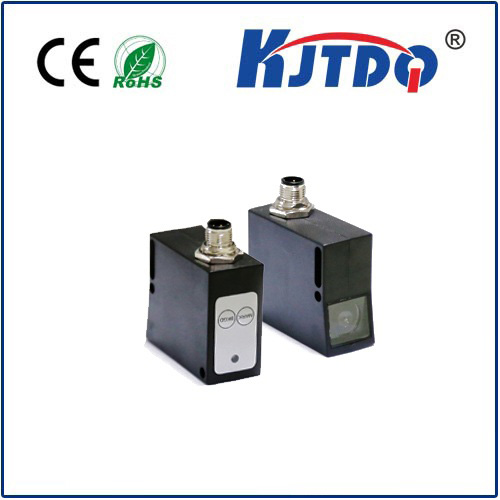
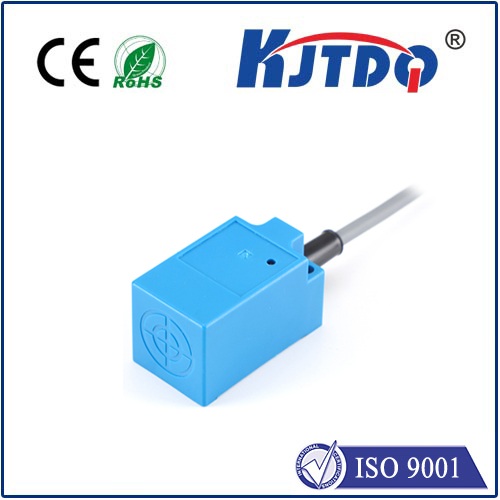
The core technology behind these sensors varies, with inductive, capacitive, and photoelectric types being the most prevalent for high-speed tasks. Inductive sensors, for instance, are champions in metallic environments, generating an electromagnetic field to detect ferrous and non-ferrous metals without physical contact. Their robustness against dirt, dust, and moisture makes them ideal for harsh manufacturing settings. Capacitive sensors, on the other hand, can detect a wider range of materials, including liquids, plastics, and wood, by measuring changes in capacitance. For the utmost speed and long-range detection of any object, photoelectric sensors use a beam of light. Modern high-speed photoelectric sensors employ advanced optics and signal processing to achieve incredibly fast response times, crucial for tracking rapidly moving items on conveyor belts.
The advantages of integrating a high-speed proximity sensor into a system are multifaceted. First and foremost is the dramatic increase in throughput. By enabling machinery to operate at higher cycles per minute without sacrificing accuracy, these sensors directly boost productivity. Secondly, they enhance quality control. The ability to detect minute positional variances or the presence/absence of tiny components at high speed prevents defects from moving down the line. Furthermore, they contribute significantly to operational safety by ensuring moving parts like robotic arms or press brakes halt precisely when an object or person is detected within a predefined danger zone. This non-contact nature also eliminates mechanical wear and tear, leading to lower maintenance costs and longer service life.
Selecting the right high-speed proximity sensor requires careful consideration of several key parameters. The response time, often listed in milliseconds or microseconds, is the most critical spec for high-speed applications. The sensing distance and the size of the target object must be compatible. Environmental factors cannot be ignored; sensors must have an appropriate ingress protection (IP) rating to withstand dust, water jets, or washdowns. The output type (e.g., NPN, PNP, analog) must interface correctly with the existing control system, such as a PLC. For challenging environments with electrical noise, models with robust electromagnetic compatibility (EMC) are essential.
Real-world applications are vast and growing. In the automotive industry, these sensors monitor the position of pistons and camshafts at thousands of revolutions per minute. In electronics manufacturing, they verify the placement of microchips on circuit boards at blinding speeds. On packaging lines, they count and track products zipping by, ensuring correct labeling and filling. The evolution of Industry 4.0 and smart factories is pushing the boundaries further, integrating high-speed sensors with IoT platforms for predictive maintenance and real-time process optimization.
In conclusion, the high speed proximity sensor is a foundational technology driving modern industrial innovation. Its role in enabling faster, safer, and more precise automated processes is indispensable. For engineers and system integrators, understanding its principles, types, and selection criteria is key to unlocking new levels of performance and reliability in any automated system. As technology advances, we can expect these sensors to become even faster, smarter, and more integrated, continuing to shape the future of automation.