check

check

check

check

check

check
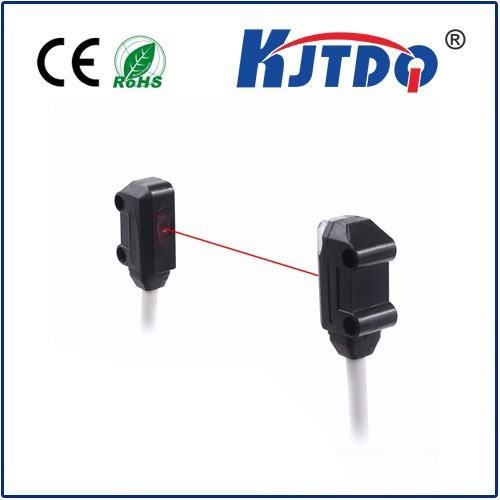
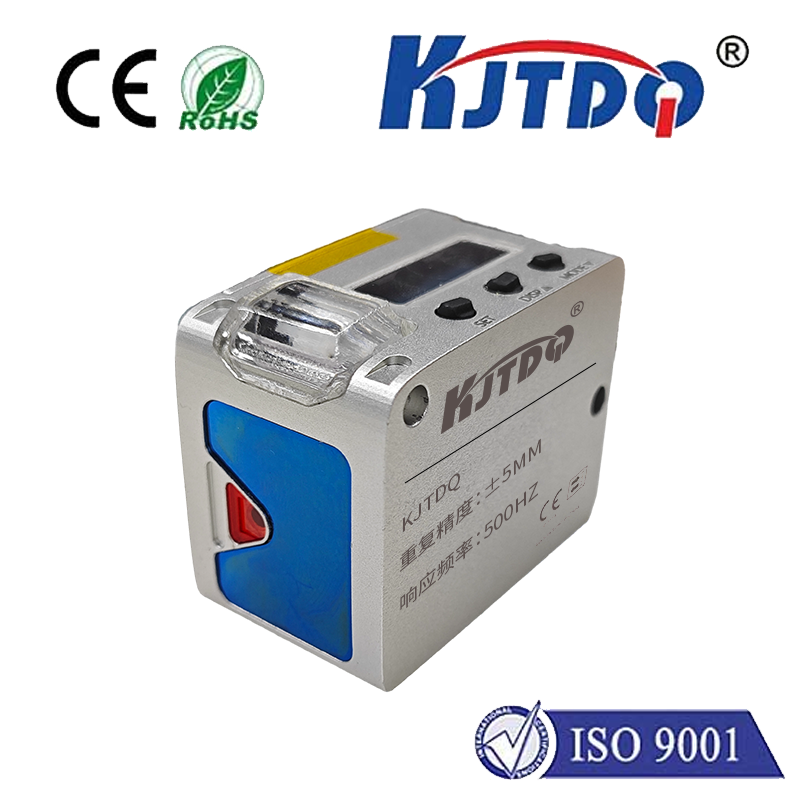
In the rapidly evolving landscape of modern technology, the optical proximity sensor has emerged as a critical component, driving advancements across various industries. This sophisticated device operates by emitting an electromagnetic beam, typically infrared light, and detecting changes in the reflection to determine the presence, absence, or distance of objects without physical contact. Unlike traditional mechanical sensors, optical proximity sensors offer non-invasive detection, making them ideal for applications where hygiene, precision, and durability are paramount.
One of the primary advantages of optical proximity sensors is their high accuracy and reliability. By utilizing light-based technology, these sensors can detect minute changes in proximity, enabling precise control in automated systems. For instance, in consumer electronics, such as smartphones and tablets, optical proximity sensors play a vital role in conserving battery life and enhancing user experience. When a user brings the device close to their ear during a call, the sensor detects this proximity and automatically turns off the display to prevent accidental touches. This seamless functionality not only improves convenience but also extends the device's operational lifespan by reducing unnecessary screen activity.
In industrial settings, optical proximity sensors contribute significantly to automation and safety. Manufacturing lines rely on these sensors to monitor the position of components on conveyor belts, ensuring smooth and efficient production processes. By detecting objects in real-time, they help prevent collisions, reduce downtime, and maintain consistent quality control. Additionally, in hazardous environments where human intervention is risky, optical proximity sensors enable remote monitoring, safeguarding workers and equipment. Their ability to operate in diverse conditions, including dust, moisture, and extreme temperatures, makes them versatile tools for sectors like automotive, aerospace, and robotics.
The healthcare industry also benefits from the integration of optical proximity sensors. In medical devices, such as infusion pumps and diagnostic equipment, these sensors provide touchless operation, minimizing the risk of contamination and improving patient safety. For example, in surgical robots, optical proximity sensors assist in precise movement control, allowing surgeons to perform delicate procedures with enhanced accuracy. This technology supports the trend towards minimally invasive surgeries, leading to faster recovery times and better outcomes for patients.
Environmental sustainability is another area where optical proximity sensors make a positive impact. In smart home systems, these sensors are used to optimize energy consumption by automatically adjusting lighting and heating based on occupancy. When no movement is detected in a room, the sensor signals the system to turn off lights or lower the thermostat, reducing energy waste. This not only lowers utility bills but also contributes to global efforts to combat climate change by promoting efficient resource use.
Despite their numerous benefits, the development and implementation of optical proximity sensors face challenges. Issues such as interference from ambient light, limited range in certain materials, and high initial costs can affect performance. However, ongoing research and innovation are addressing these limitations. Advances in sensor design, including improved filtering techniques and integration with artificial intelligence, are enhancing sensitivity and adaptability. As technology progresses, we can expect optical proximity sensors to become even more integral to smart cities, autonomous vehicles, and the Internet of Things (IoT), enabling a more connected and efficient world.
In conclusion, the optical proximity sensor represents a cornerstone of modern engineering, offering unparalleled precision and efficiency across diverse applications. From everyday gadgets to complex industrial systems, its ability to enable non-contact detection transforms how we interact with technology. As industries continue to embrace automation and digitalization, the demand for reliable optical proximity sensors is set to grow, driving further innovations that will shape the future of technology and improve our daily lives.