check

check

check

check

check

check
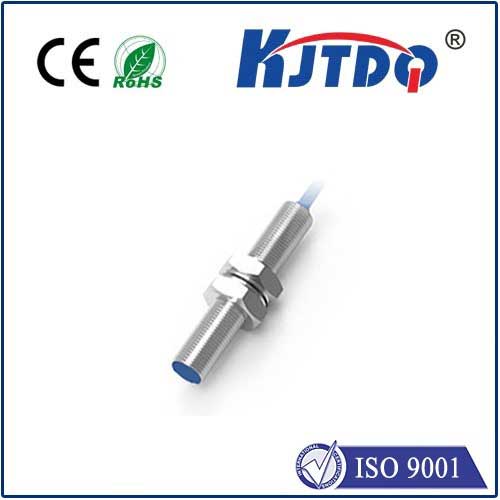
In the modern built environment, vertical transportation systems are the arteries of movement. At the heart of their reliable and safe operation lies a critical, yet often overlooked component: the elevator induction proximity sensor. This sophisticated technology serves as the silent guardian, ensuring seamless door operation, precise car positioning, and ultimately, passenger safety. Unlike traditional mechanical switches, these non-contact sensors use electromagnetic fields to detect the presence or absence of an object, offering unparalleled reliability and longevity.
The principle behind elevator induction proximity sensors is elegantly simple. The sensor generates a high-frequency oscillating electromagnetic field from its active face. When a conductive metal object, such as the elevator car or door panel, enters this field, eddy currents are induced on the object's surface. This causes a change in the oscillation amplitude within the sensor, which is then detected and converted into a solid-state output signal. This entire process occurs without any physical contact, eliminating mechanical wear and tear that plagues limit switches and other contact-based systems. The result is a dramatic reduction in maintenance needs and downtime.
The applications within an elevator system are multifaceted and vital. One of the primary uses is for door zone detection. Sensors are strategically placed to monitor the path of the elevator doors. They detect obstructions with high sensitivity, prompting the door control system to reopen immediately if a passenger or object is in the way. This feature is paramount for safety, preventing accidents and ensuring compliance with stringent global safety standards. Furthermore, these sensors are integral to floor leveling. By detecting precise metal targets on each floor, they provide feedback to the drive system to stop the car exactly flush with the landing, eliminating tripping hazards and improving accessibility.
Another crucial application is in the elevator pit and overhead space. Sensors monitor the positions of safety buffers and the maximum travel limits of the car and counterweight. Their non-contact nature makes them ideal for these harsh, often damp environments where mechanical components would quickly fail. They provide reliable signals to the main controller, preventing over-travel scenarios that could lead to catastrophic failure. The robustness of induction sensors, typically housed in stainless steel or rugged polymer casings with high IP ratings, ensures consistent performance despite vibration, dust, and temperature fluctuations.
The advantages of implementing high-quality induction proximity sensors are substantial. First and foremost is enhanced safety. The fail-safe design and fast response time create a reliable safety network. Secondly, operational efficiency sees a significant boost. Accurate positioning reduces door operation cycles and waiting times, leading to smoother traffic flow in buildings. From a maintenance perspective, the long operational life—often measured in millions of cycles—and lack of moving parts translate to lower total cost of ownership. Facility managers benefit from reduced service calls and spare part inventories.
When selecting induction proximity sensors for elevator systems, several technical specifications demand attention. The sensing range, or the distance at which the target is reliably detected, must be carefully matched to the application. The switching frequency determines how quickly the sensor can respond to a passing target, which is critical for high-speed elevator doors. Environmental factors are also key; sensors must be rated for the specific temperature range, humidity, and potential chemical exposure present in elevator shafts. Choosing sensors from manufacturers with a proven track record in vertical transportation ensures they are designed to withstand the unique electromagnetic noise and physical stresses of this application.
The integration of these sensors with modern elevator control systems is a cornerstone of smart building management. The digital output from the sensors feeds into the main controller, enabling predictive maintenance algorithms. By analyzing sensor performance data over time, the system can alert technicians to potential issues before they cause a shutdown, moving from reactive to proactive maintenance. This connectivity is a stepping stone toward fully IoT-enabled elevator systems, where every component communicates its status for optimized performance and energy usage.
In conclusion, elevator induction proximity sensors are far more than simple switches. They are intelligent, durable, and essential components that form the sensory nervous system of the elevator. By providing reliable, non-contact detection, they uphold the highest standards of passenger safety, ensure precise and efficient operation, and contribute to the long-term reliability and cost-effectiveness of the entire vertical transportation system. As elevator technology advances toward higher speeds and smarter functionalities, the role of these robust sensors will only become more central, quietly ensuring every journey is safe, smooth, and dependable.