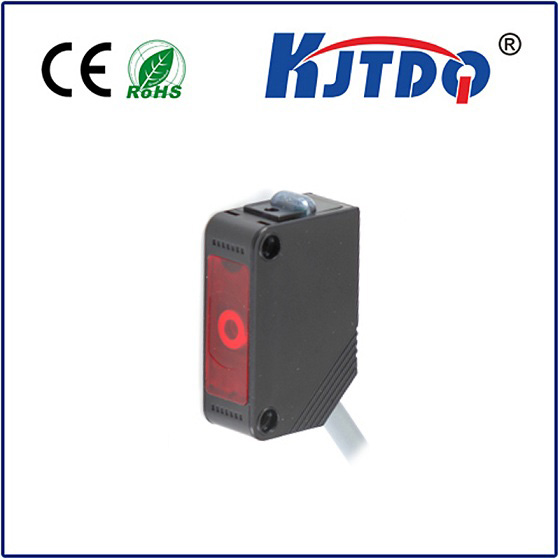
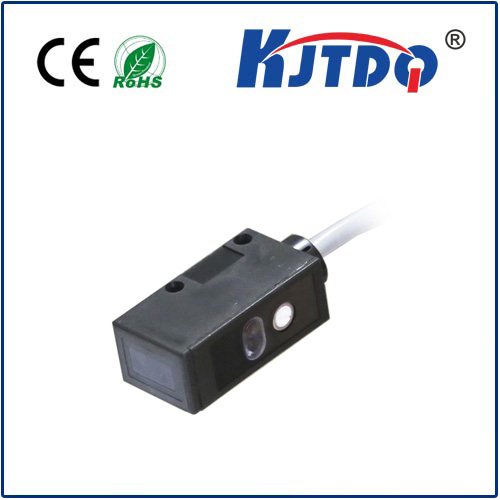
check

check

check

check

check

check
In the intricate world of industrial automation and electronic design, the demand for reliable, compact, and efficient sensing solutions is paramount. Among the various technologies available, the 5V inductive proximity sensor stands out as a fundamental component, particularly in applications where space, power efficiency, and cost are critical factors. This type of sensor, often designated with model identifiers like KJTDQ, represents a specialized category designed to operate directly from a common 5-volt DC power supply, making it exceptionally compatible with modern microcontrollers, single-board computers, and low-voltage digital circuits.
An inductive proximity sensor is a non-contact electronic device that detects the presence or absence of metallic objects—typically ferrous metals like iron and steel, though some versions can sense non-ferrous metals at reduced ranges. Its core operating principle is based on electromagnetic induction. The sensor generates a high-frequency oscillating electromagnetic field from its active face. When a metallic target enters this field, eddy currents are induced on the target's surface. This causes a measurable change in the oscillation amplitude within the sensor's internal coil (or a change in impedance), which is then processed by the internal circuitry. The output signal switches state accordingly, indicating detection.
The specification of a 5V operating voltage is a key differentiator. Many industrial sensors traditionally use higher voltages like 12-24V DC. The 5V variant, however, integrates seamlessly into the ecosystem of modern digital electronics. Devices like Arduino, Raspberry Pi, and numerous PLC digital input modules provide 5V logic power rails. Using a 5V sensor eliminates the need for additional level-shifting circuits or separate power supplies, simplifying system design, reducing component count, and minimizing overall footprint. The KJTDQ series, as an example, is engineered to deliver stable performance precisely within this common voltage range.
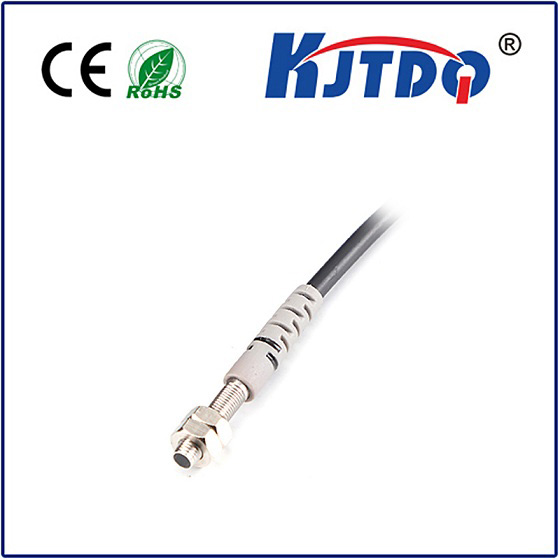
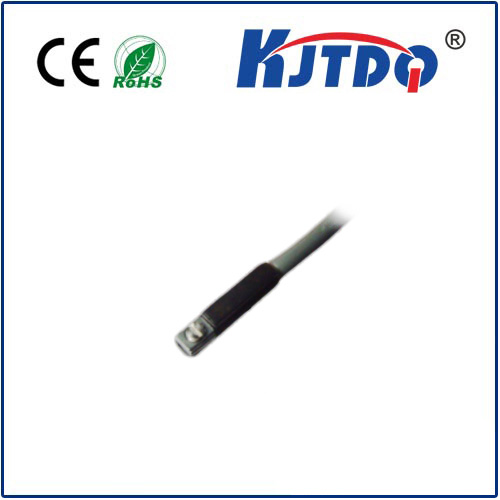
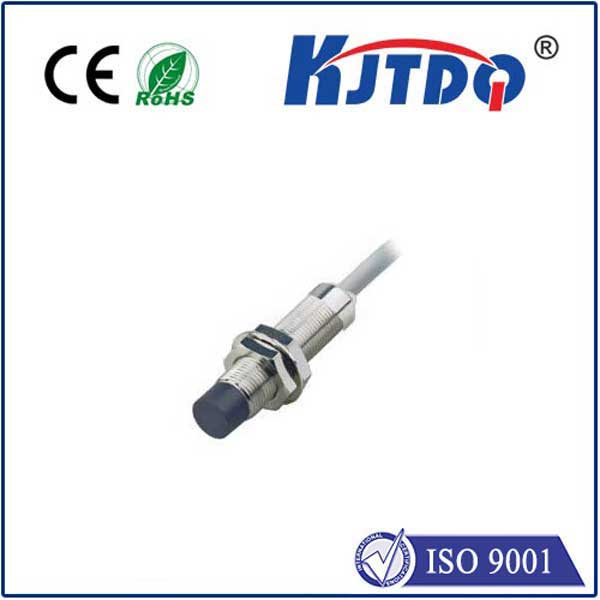
The advantages of employing a 5V inductive proximity sensor are multifaceted. First is its remarkable power efficiency, consuming minimal current, which is ideal for battery-powered or energy-conscious applications. Second is its compact physical size. Models like the KJTDQ are often housed in tiny cylindrical or rectangular packages (e.g., M5, M8, M12 diameters), allowing installation in extremely tight spaces where larger sensors cannot fit. Third is its high switching frequency, capable of detecting rapidly moving or vibrating targets, which is crucial in high-speed counting or positioning tasks on conveyor systems. Furthermore, these sensors are renowned for their robustness. With no moving parts and sensing faces usually made of materials like PBT or nickel-plated brass, they are highly resistant to wear, dust, oil, and coolant splashes, ensuring long-term reliability in harsh industrial environments.
Typical applications for the 5V inductive sensor are vast and varied. In robotics, they are used for end-effector positioning and verifying gripper closure. In consumer electronics assembly lines, they detect the presence of tiny metal components or PCB shields. Within 3D printers and CNC machines, they serve as precise homing or limit switches. They are also indispensable in automated packaging machinery for detecting metallic seals or checking fill levels in cans. The compatibility with microcontroller systems also opens doors for hobbyists and prototyping, enabling projects in home automation, model making, and interactive installations.
When selecting a 5V inductive proximity sensor such as the KJTDQ, several technical parameters require careful consideration. The sensing distance, or nominal range (Sn), is critical and is typically a few millimeters for these compact units (e.g., 1.5mm, 2mm, 4mm). It's essential to note that this rating is based on a standard mild steel target; for other metals like aluminum or copper, a reduction factor must be applied. The output type is another vital choice: NPN (sinking) or PNP (sourcing) transistor outputs, with NPN being more common in certain regions and circuit configurations. The output configuration can be normally open (NO) or normally closed (NC). The housing material and IP (Ingress Protection) rating, such as IP67, define its durability against solids and liquids.
Installation and wiring are straightforward but demand attention to detail. Ensuring a stable and clean 5V power supply is fundamental, as voltage fluctuations can affect performance. Proper mounting, with adequate clearance around the sensor face (as specified in the datasheet), prevents false triggers from surrounding metal structures. For integration with a microcontroller, the sensor's output wire is connected to a digital input pin, often with a pull-up or pull-down resistor as per the circuit design. Shielding the cable in electrically noisy environments is a recommended practice to maintain signal integrity.
In conclusion, the 5V inductive proximity sensor, exemplified by series like KJTDQ, is more than just a simple switch. It is a sophisticated, yet accessible, fusion of electromagnetic physics and solid-state electronics. Its ability to provide precise, non-contact detection of metals in a tiny, low-power, and microcontroller-friendly package makes it an indispensable tool for engineers and designers. From sprawling factory floors to compact DIY workbenches, this sensor continues to enable smarter, more efficient, and more reliable automation, proving that great capability can indeed come in small, 5-volt packages.