check

check

check

check

check

check
In the intricate dance of modern industrial automation, where precision and reliability are non-negotiable, a silent sentinel operates tirelessly. The small inductive proximity sensor, a marvel of compact engineering, has become an indispensable component in countless applications, from high-speed assembly lines to delicate robotic arms. Unlike its larger counterparts, this diminutive device excels in spaces where real estate is at a premium, offering robust detection capabilities without compromising on performance.
At its core, the small inductive proximity sensor operates on a fundamental electromagnetic principle. It generates a high-frequency oscillating electromagnetic field from its active face. When a metallic target—be it steel, aluminum, copper, or brass—enters this field, eddy currents are induced on the target's surface. This process dampens the oscillation within the sensor's coil. The sensor's integrated circuitry meticulously monitors this damping effect, triggering a solid-state switch to change its output state. This entire process, from detection to signal output, occurs without any physical contact, eliminating mechanical wear and ensuring a remarkably long operational lifespan measured in millions of cycles.
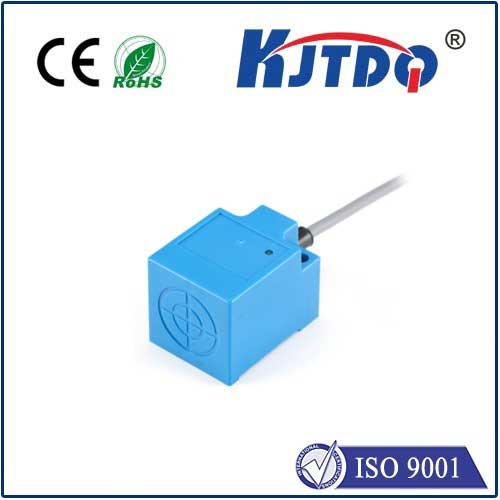
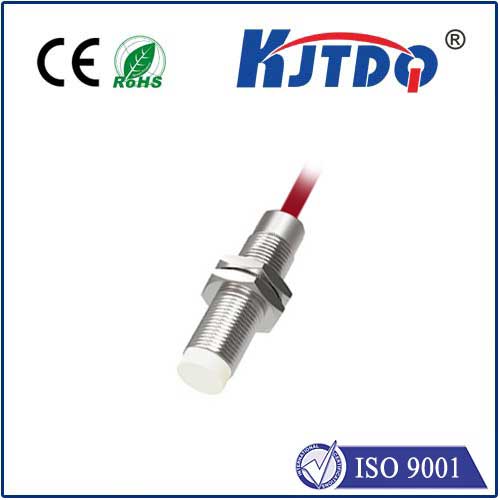
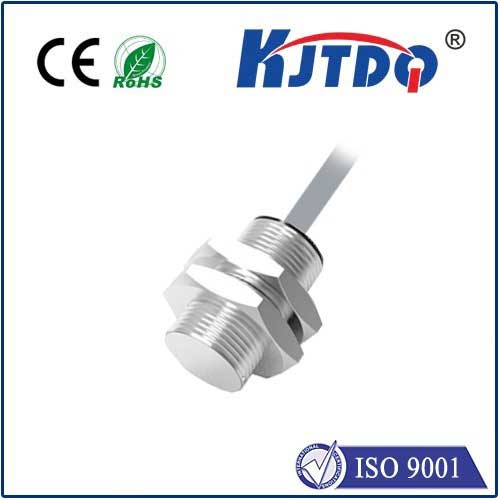
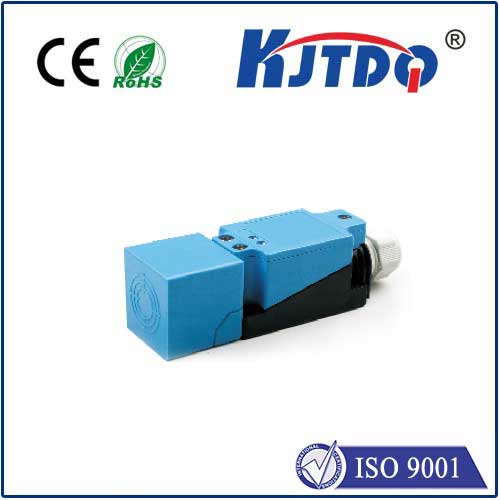
The defining characteristic of these sensors is their minimal footprint. Available in cylindrical housings as small as M4, M5, or M8, and in slim rectangular or block styles, they can be installed in locations previously deemed inaccessible. This miniaturization does not equate to fragility. Modern small inductive sensors are engineered with rugged housing materials like nickel-plated brass, stainless steel, or PBT plastic, offering high resistance to shock, vibration, and industrial contaminants like coolants and metal chips. Many boast IP67 or even IP69K ingress protection ratings, allowing them to withstand harsh washdown environments in food and beverage or pharmaceutical manufacturing.
The applications for these powerful little devices are vast and varied. In automotive manufacturing, they verify the presence of tiny pistons or gears before a machining operation commences, preventing costly collisions. On packaging machinery, they count aluminum caps on bottles zipping by at blinding speeds. Inside semiconductor fabrication equipment, they provide precise position feedback for wafer-handling robots, where absolute precision is paramount. They are the eyes that confirm a door is closed in a safety interlock system and the trigger that initiates a weld cycle when a metal part is perfectly positioned.
Selecting the right small inductive proximity sensor requires careful consideration of several parameters. The sensing distance, or nominal range, is crucial and is typically a fraction of the sensor's diameter. Factors like target material, size, and shape can affect this range; for instance, steel is detected at the rated distance, while aluminum or copper may require a reduction factor. The switching frequency defines how quickly the sensor can respond to targets passing by, a critical factor in high-speed counting applications. Output type is another key decision, with options including NPN (sinking), PNP (sourcing), or analog (4-20mA, 0-10V) outputs to interface seamlessly with PLCs (Programmable Logic Controllers) and other control systems.
Looking ahead, the evolution of the small inductive proximity sensor continues. Integration with IO-Link communication protocol is a significant trend, transforming these simple binary switches into smart devices. An IO-Link enabled sensor can transmit detailed diagnostic data—such as operating temperature, signal strength, and remaining lifespan—to the control system, enabling predictive maintenance and reducing unplanned downtime. Furthermore, advancements in chip design and shielding techniques are pushing the limits of miniaturization and noise immunity, allowing for even smaller form factors and more reliable operation in electrically noisy environments.
In conclusion, the small inductive proximity sensor is far more than just a component; it is a fundamental enabler of efficiency, safety, and intelligence in automated systems. Its ability to provide reliable, non-contact detection of metallic objects in constrained spaces makes it a cornerstone of lean manufacturing and Industry 4.0 initiatives. As automation grows smarter and more pervasive, the demand for these robust, precise, and increasingly intelligent sensors will only intensify, solidifying their role as the unseen guardians of the factory floor.