check

check

check

check

check

check
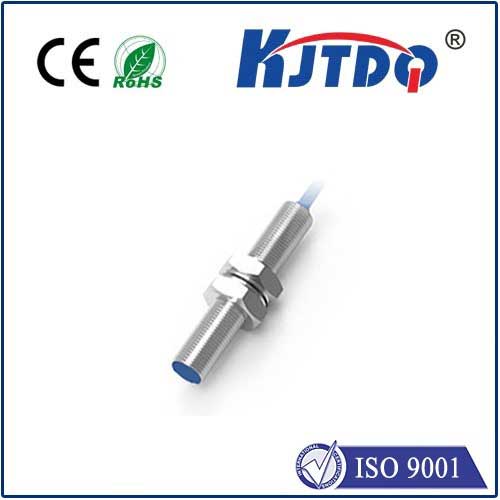
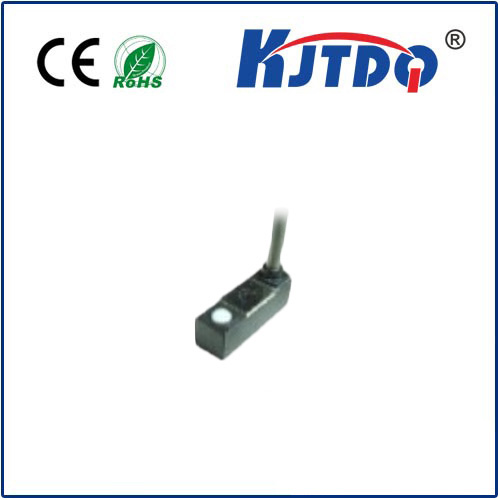
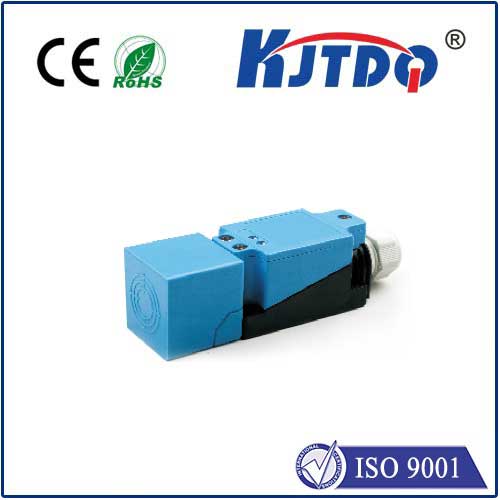
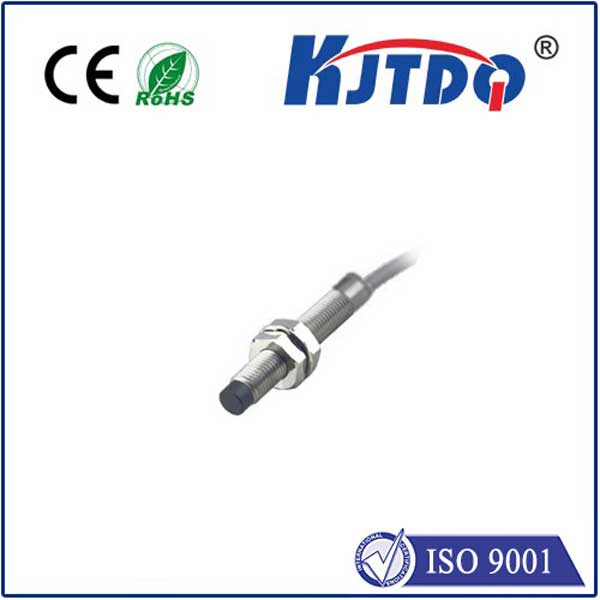
In the world of industrial automation, precision, reliability, and durability are non-negotiable. For detecting metallic objects without physical contact, the M6 inductive proximity sensor stands as a cornerstone technology. This compact yet powerful device is engineered to deliver consistent performance in the most demanding environments, from assembly lines and robotic cells to machine tools and material handling systems. Its fundamental operating principle is based on electromagnetic induction. The sensor generates an oscillating electromagnetic field from its face. When a metallic target, such as steel, aluminum, or brass, enters this field, eddy currents are induced on the target's surface. This causes a change in the oscillation amplitude within the sensor, which is then detected and converted into a solid-state output signal, effectively switching the sensor on or off.
The "M6" designation refers to its compact 6mm cylindrical threaded housing, a standard size that allows for easy installation in space-constrained applications. Despite its small footprint, the M6 inductive sensor packs significant features. One of its primary advantages is its exceptional environmental resilience. Typically featuring an IP67 or higher ingress protection rating, it is shielded against dust and can withstand temporary immersion in water, making it suitable for washdown areas or outdoor use. Furthermore, these sensors are immune to contaminants like oil, coolant, and dirt that often plague manufacturing settings. Unlike optical sensors, they are not affected by ambient light, smoke, or transparent materials, ensuring stable operation.
When selecting an M6 inductive proximity sensor, several key specifications demand attention. The sensing range is critical; for a standard M6 sensor, this is typically up to 2mm for mild steel. It is crucial to note that the sensing distance can vary based on the target material's properties, with factors like material type and size influencing performance. Manufacturers provide reduction factors for different metals—for instance, stainless steel or aluminum may require the target to be closer. Another vital parameter is the output type. Common configurations include NPN (sinking) and PNP (sourcing) transistor outputs, as well as Normally Open (NO) or Normally Closed (NC) switching logic, allowing for seamless integration with various PLCs (Programmable Logic Controllers) and control systems. The operating voltage range, often 10-30V DC, and switching frequency, which can exceed 1 kHz for high-speed applications, are also essential for system design.
The applications for the M6 inductive proximity sensor are vast and varied. They are indispensable for precise position detection, such as verifying the presence of a piston in a cylinder or confirming the home position of a robotic arm. In counting and sorting systems, they reliably detect metal parts on conveyors. They serve as limit switches on linear actuators or small CNC machines, providing end-of-travel signals. Their robustness also makes them perfect for monitoring rotational speed by detecting gear teeth or keyways on motor shafts. For engineers and maintenance technicians, proper installation is key to maximizing sensor life and accuracy. Ensuring the correct mounting, with adequate clearance from surrounding metal (to prevent side-interference), and selecting the appropriate sensing face (shielded or unshielded) for flush or non-flush mounting scenarios are critical steps. Regular checks for mechanical damage, buildup of metallic swarf, and secure electrical connections will prevent unexpected downtime.
In conclusion, the M6 inductive proximity sensor is a testament to efficient and rugged sensing technology. Its ability to provide non-contact, wear-free detection of metals with high repeatability and speed makes it an unsung hero in automated systems. By understanding its operating principles, key specifications, and application best practices, you can leverage this versatile component to enhance machine reliability, improve safety, and boost overall operational efficiency. For any application requiring the dependable detection of metal in a compact form factor, the M6 inductive sensor remains a premier and trusted choice.