check

check

check

check

check

check
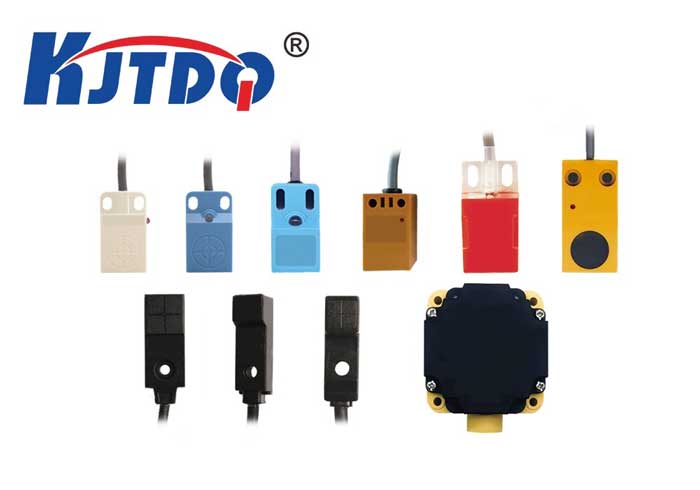
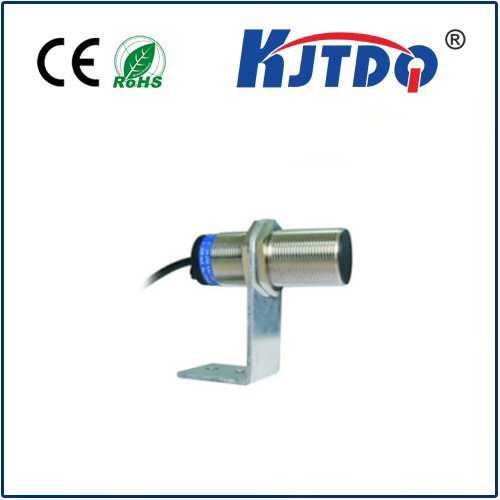
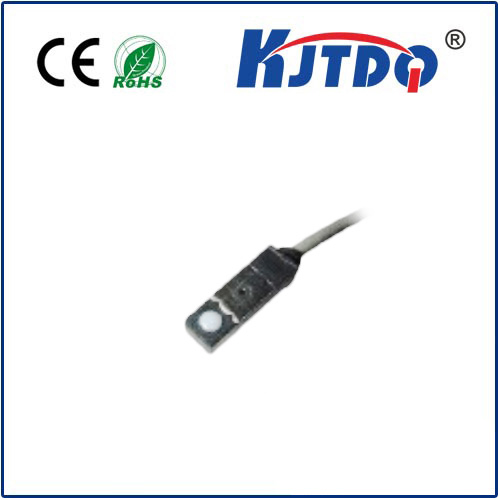
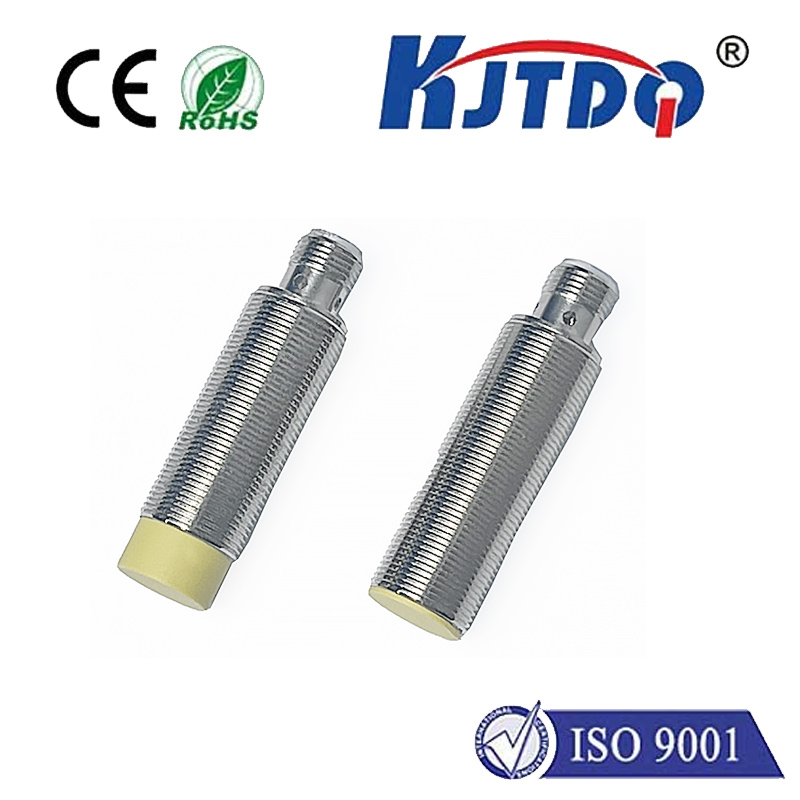
In the realm of industrial automation, where precision and reliability are non-negotiable, the E2E small diameter proximity sensor stands as a critical component. These compact yet powerful devices are engineered to detect the presence or absence of metallic objects without physical contact, making them indispensable in applications where space is at a premium and accuracy is paramount. Unlike larger sensors, their slender design allows for installation in tight spaces, such as within intricate machinery, on robotic arms, or on densely populated circuit boards. The core technology behind these sensors typically involves an oscillating circuit that generates an electromagnetic field. When a metallic target enters this field, eddy currents are induced, causing a change in the oscillation amplitude. This change is detected and converted into a clear electrical switch signal, enabling seamless integration with programmable logic controllers (PLCs) and other control systems.
The advantages of utilizing E2E small diameter proximity sensors are multifaceted. First and foremost is their exceptional reliability. With no moving parts and a non-contact sensing principle, they are immune to mechanical wear and tear, ensuring a long operational life even in demanding environments characterized by vibration, dust, or moisture when housed in appropriate enclosures. This durability translates directly into reduced maintenance costs and minimized machine downtime. Secondly, their high switching frequency allows for the detection of very fast-moving objects, which is crucial in high-speed assembly lines, packaging machinery, and precision sorting systems. Furthermore, their insensitivity to surface conditions—such as color, transparency, or moisture—of the target object eliminates common false-triggering issues associated with optical sensors. This makes them the preferred choice for detecting metallic components regardless of oil, dirt, or paint.
Selecting the right E2E small diameter sensor requires careful consideration of several key parameters. The sensing distance, often just a few millimeters, must be matched to the application to ensure reliable detection without interference. The diameter of the sensor itself, which can be as small as M4 or M5, dictates where it can be physically installed. The material of the sensing face—stainless steel or nickel-plated brass—affects its resistance to chemicals and physical impacts. Additionally, the output type (NPN or PNP) and connection method (pre-wired or connector-based) must be compatible with the existing control circuitry. For instance, in a CNC machine tool, an M5 diameter sensor might be used to verify the presence of a drill bit, preventing costly collisions. In electronic component placement machines, these sensors ensure feeders are correctly loaded before the pick-and-place cycle begins.
Looking ahead, the evolution of E2E small diameter proximity sensors continues to align with industry trends toward miniaturization and smart manufacturing. Modern iterations are incorporating advanced features like IO-Link communication, which enables not just binary detection but also the transmission of detailed diagnostic data, such as temperature readings, operating hours, and signal strength. This facilitates predictive maintenance, allowing plant managers to address potential issues before they lead to failure. The integration of these intelligent sensors into Industry 4.0 frameworks is transforming them from simple switches into valuable data points on the factory network. As automation systems become more complex and space-constrained, the demand for these robust, precise, and increasingly intelligent sensing solutions will only grow, solidifying their role as a foundational element in the automated factories of today and tomorrow.