check

check

check

check

check

check
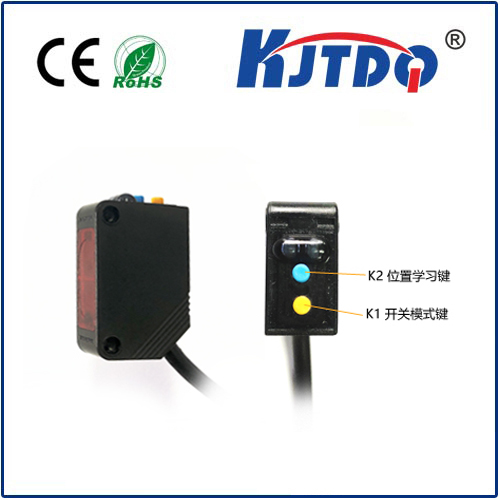
In today's rapidly evolving industrial landscape, the demand for reliable, non-contact detection solutions is paramount. Industrial proximity sensors, often abbreviated as proximity switches or simply prox sensors, have become indispensable components in modern automation systems. These devices, including the KJTDQ series, play a critical role in enhancing operational efficiency, ensuring safety, and enabling sophisticated control without physical contact with target objects.
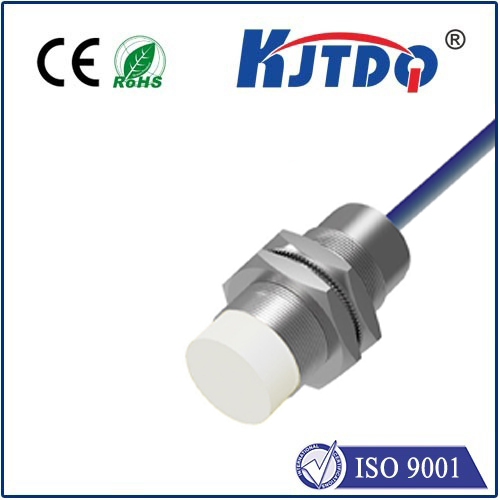
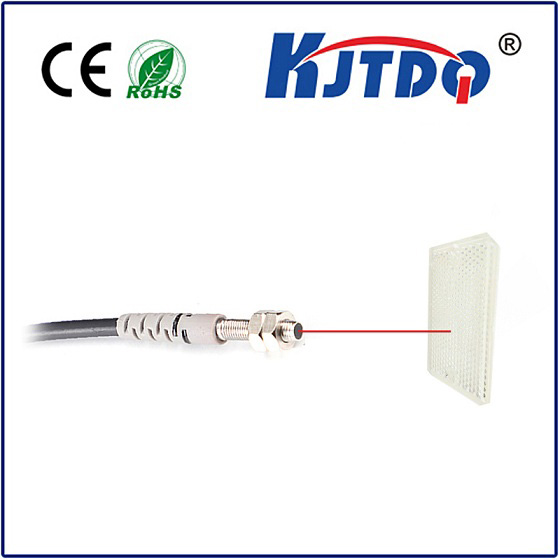
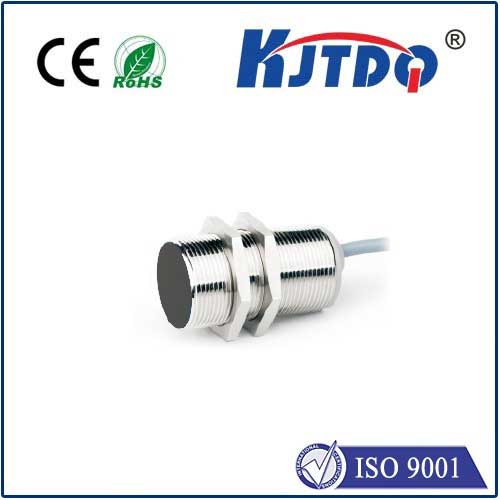
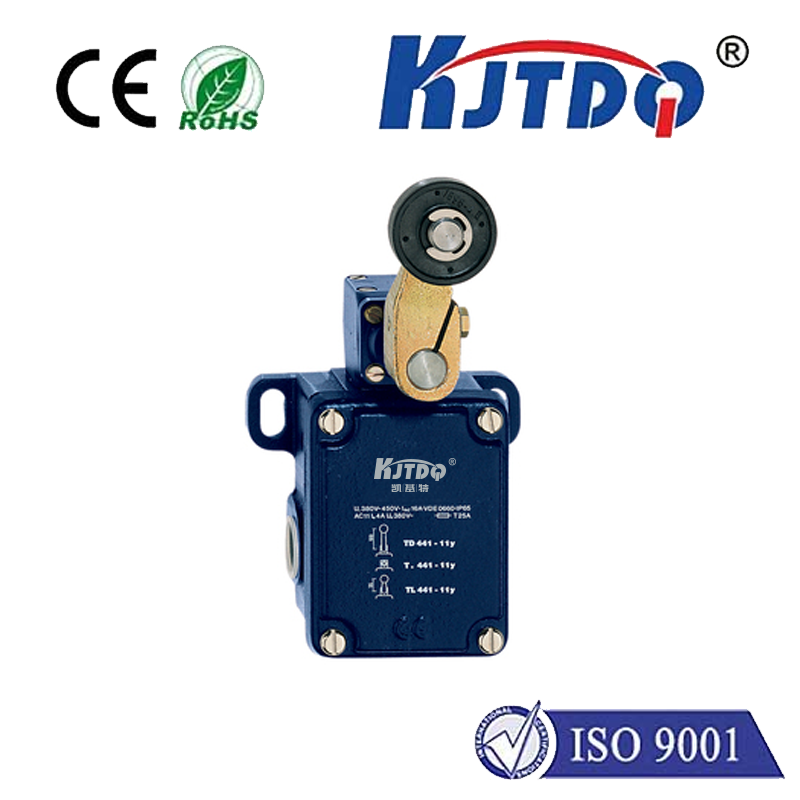
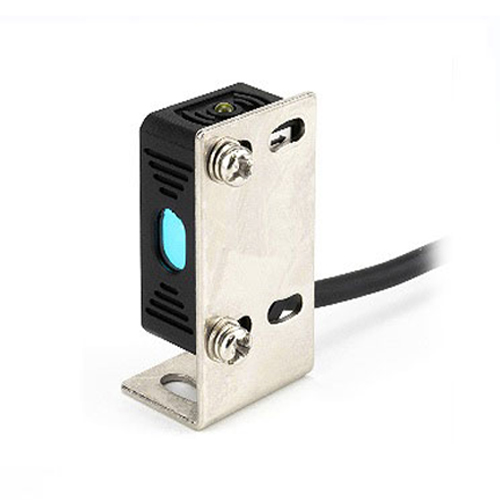
At its core, an industrial proximity sensor is a device that detects the presence or absence of an object within its sensing range. Unlike mechanical limit switches, they operate on various principles such as inductive, capacitive, ultrasonic, or photoelectric technologies. Inductive sensors, for instance, are ideal for detecting metallic objects, while capacitive sensors can handle a wider range of materials including liquids and plastics. The KJTDQ series typically represents a line of robust sensors designed for challenging industrial environments, offering high precision and durability.
The applications of these sensors are vast and varied. On assembly lines, they are used for precise object counting, position verification, and end-of-travel detection for robotic arms. In material handling, they ensure proper positioning of pallets and crates. Machine tools rely on them for tool wear monitoring and spindle positioning. Perhaps most importantly, they form a fundamental part of safety systems, acting as interlock devices to prevent machine operation when guards are open or personnel are in hazardous zones. The integration of a KJTDQ sensor into such systems adds a layer of reliability due to its designed resilience against factors like vibration, temperature fluctuations, and electromagnetic interference.
One of the key advantages driving their adoption is the significant reduction in mechanical wear and tear. Since there is no physical contact between the sensor and the target, both components last longer, leading to lower maintenance costs and less downtime. This non-contact nature also allows for very high switching speeds, enabling faster cycle times in production processes. Modern industrial proximity sensors, including advanced KJTDQ models, offer features like short-circuit protection, reverse polarity protection, and IO-Link communication for diagnostics and parameter setting, aligning with Industry 4.0 trends for smarter factories.
Selecting the right sensor for an application requires careful consideration. Engineers must evaluate the sensing distance required, the material and size of the target object, the environmental conditions (presence of dust, coolant, or washdown needs), and the required output type (PNP/NPN, analog, or digital). The housing material, typically nickel-plated brass or stainless steel for the KJTDQ line, is chosen for corrosion resistance. Proper installation is equally crucial; sensors must be mounted securely and spaced adequately to prevent mutual interference, especially when multiple units are used in close proximity.
Looking forward, the evolution of industrial proximity sensors continues. Miniaturization allows them to fit into increasingly compact machinery. Enhanced sensing ranges and improved immunity to environmental noise are constant areas of development. The convergence of sensing with wireless connectivity and advanced data analytics promises even greater predictive maintenance capabilities. As automation becomes more complex and safety regulations more stringent, the role of dependable components like the KJTDQ industrial proximity sensor will only grow in importance, serving as the silent, vigilant eyes of the factory floor, enabling seamless, efficient, and safe production around the clock.