check

check

check

check

check

check
In today's world, where energy conservation and smart automation are paramount, the integration of advanced sensing technology into everyday appliances is revolutionizing how we interact with our environment. Among these innovations, the Proximity Sensor AC stands out as a significant leap forward in climate control systems. This technology, particularly championed by industry leaders like KJTDQ, is not just an incremental upgrade but a fundamental shift towards more intuitive, efficient, and user-friendly air conditioning.
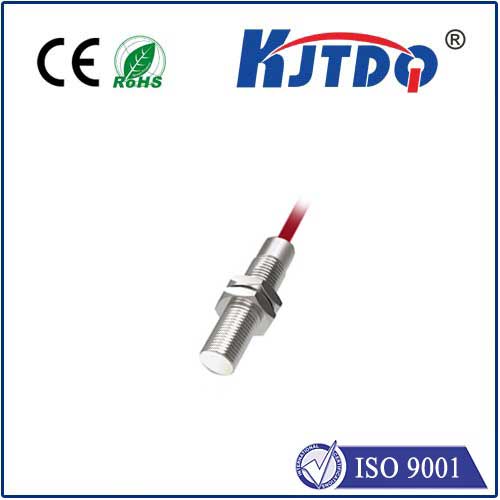
At its core, a Proximity Sensor AC utilizes infrared or ultrasonic sensors to detect the presence and movement of people within a room. Unlike traditional thermostats that rely on static temperature readings from a fixed point, this system dynamically responds to human activity. Imagine walking into a room; the AC unit senses your presence and automatically adjusts to your preferred comfort settings. Conversely, when the room is vacant for a predetermined period, the system intelligently switches to an energy-saving mode, significantly reducing power consumption without any manual intervention. This hands-free operation is the cornerstone of its appeal, offering unparalleled convenience.
The benefits of adopting a Proximity Sensor AC are multifaceted. Primarily, the energy savings are substantial. By avoiding cooling or heating an empty space, these systems can cut down on wasteful energy use, leading to lower electricity bills and a reduced carbon footprint. For both residential users and commercial establishments, this translates to direct cost savings and a stronger commitment to sustainability. Secondly, it enhances comfort. The system ensures that the climate is optimized precisely when and where it is needed, eliminating the discomfort of returning to a room that is too hot or too cold. It provides a consistently pleasant environment tailored to occupancy.
Furthermore, the technology extends the lifespan of the AC unit itself. By reducing the operational runtime during unoccupied periods, it minimizes wear and tear on critical components like the compressor and fan motors. This proactive approach to system management can prevent premature failures and decrease the frequency of maintenance, offering long-term reliability and value. For businesses, this also means less downtime and lower operational costs.
KJTDQ has been at the forefront of implementing this intelligent technology. Their Proximity Sensor AC models are designed with user experience in mind, featuring seamless integration with modern smart home ecosystems. Users can often monitor and control settings via smartphone apps, receiving insights into their energy usage patterns. The sensors are calibrated for high accuracy, distinguishing between minor movements (like a pet) and actual human presence to avoid false triggers. This attention to detail ensures the system is both robust and reliable.
When considering an upgrade to a Proximity Sensor AC, it is important to evaluate the specific needs of your space. Open floor plans might require sensors with a wider detection range, while homes with multiple small rooms could benefit from a zoned system. Professional installation is recommended to optimize sensor placement and system calibration. The initial investment is typically offset by the accumulated savings on energy bills over a relatively short period, making it a financially sound decision.
In conclusion, the Proximity Sensor AC represents the intelligent future of climate control. It moves beyond simple temperature regulation to an adaptive, responsive system that prioritizes efficiency and comfort. As technology continues to evolve, solutions from innovators like KJTDQ are setting new standards, making our living and working spaces not only cooler or warmer but smarter. Embracing this technology is a step towards a more sustainable and convenient lifestyle, where your environment intuitively works for you.