check

check

check

check

check

check
In modern industrial automation systems, proximity switch sensors play a pivotal role in enabling non-contact detection, enhancing operational safety, and improving production efficiency. Among various output configurations, the NPN type proximity sensor stands out for its compatibility and widespread adoption in numerous control circuits. This article delves into the operational principles, key advantages, and practical application considerations of NPN proximity sensors, providing valuable insights for engineers and technicians.
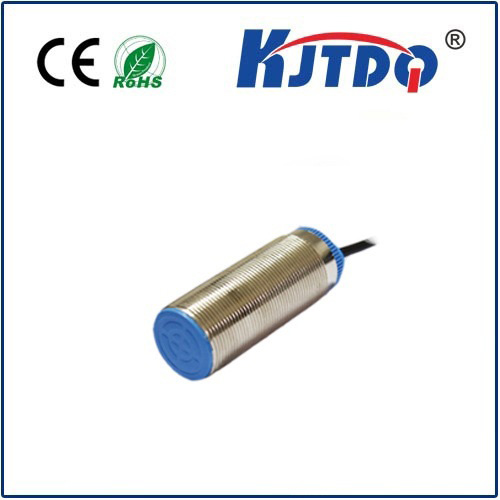
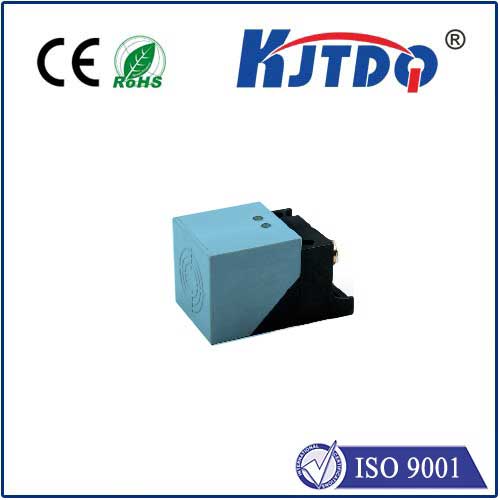
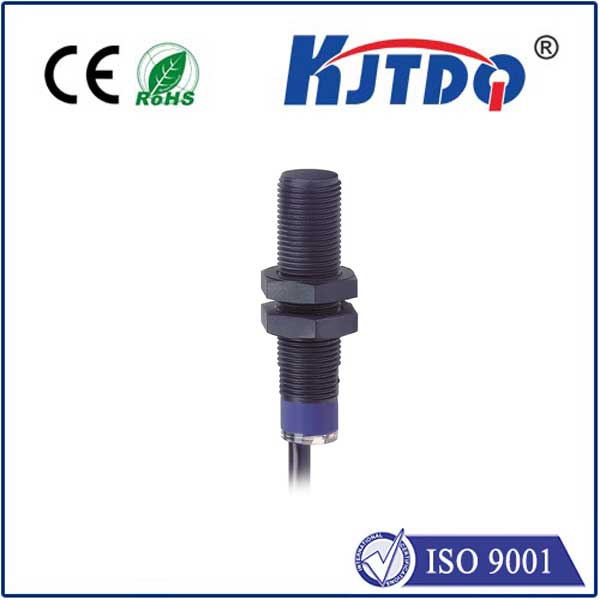
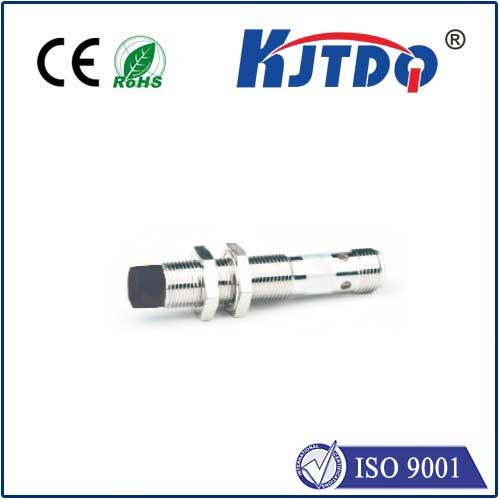
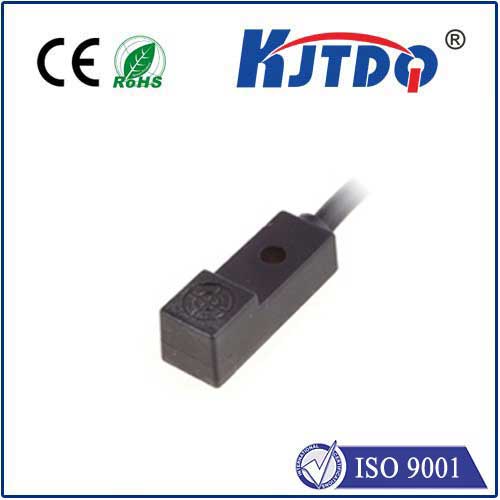
An NPN proximity switch sensor is a solid-state electronic device that detects the presence or absence of a target object without physical contact. It operates based on the principle of electromagnetic induction or capacitive sensing, depending on the type. When a metallic or other detectable object enters the sensor's active field, it triggers a change in the internal oscillator circuit. This change is processed, and the sensor's output transistor—an NPN type—switches state. In an NPN configuration, the output acts as a sinking switch. This means that when the sensor is activated (target detected), the output transistor turns ON, connecting the output terminal to the negative voltage supply (0V or common). The load (such as a PLC input, relay coil, or indicator lamp) is connected between the positive voltage supply and the sensor's output wire. Therefore, current flows from the positive supply, through the load, and into the sensor's output, which then sinks it to ground, completing the circuit.
The choice of an NPN output is often dictated by the prevailing control system architecture, particularly in regions like Europe and Asia, where PLCs and controllers commonly have sourcing-type input modules. These inputs require a connection to ground to activate, making NPN sensors the ideal complementary component. This sinking output characteristic simplifies wiring and ensures reliable signal transmission in complex industrial environments prone to electrical noise.
Several compelling advantages drive the specification of NPN proximity sensors. First and foremost is their exceptional reliability. With no moving mechanical parts subject to wear, these sensors offer a long operational lifespan, even in demanding conditions involving high cycle rates or vibration. Their non-contact nature eliminates issues like mechanical wear, contact bounce, and contamination that plague limit switches, leading to reduced maintenance costs and less unscheduled downtime. Furthermore, NPN sensors provide rapid response times, often in the microsecond range, which is crucial for high-speed counting, positioning, and sequencing applications on fast-moving production lines. Their ability to detect various materials—ferrous metals, non-ferrous metals, plastics, and liquids, depending on the sensing technology (inductive, capacitive, or ultrasonic)—makes them incredibly versatile.
When integrating an NPN proximity switch sensor into a system, several critical factors must be considered to ensure optimal performance. Voltage rating is paramount; the sensor's operating voltage range must match the control system's DC supply, typically 10-30V DC. Incorrect voltage can lead to malfunction or permanent damage. The sensing distance, specified by the manufacturer, should be selected with a safety margin, as environmental factors like temperature and the target material can affect it. Mounting is another key consideration. Sensors must be installed correctly, ensuring proper alignment with the target and maintaining the recommended clearance from surrounding metal objects to prevent false triggering. For inductive sensors, only metallic targets can be detected, so material compatibility is essential. In electrically noisy environments, using shielded cables and proper grounding techniques is highly recommended to prevent electromagnetic interference from causing erratic sensor behavior.
Typical applications for NPN proximity sensors are vast and span across all industrial sectors. They are indispensable in automated assembly lines for part presence verification, robotic arm end-effector positioning, and conveyor belt object counting. In packaging machinery, they ensure precise fill-level detection and label positioning. Within CNC machine tools, they provide accurate tool positioning and workpiece detection, enhancing machining precision. Their robustness also makes them suitable for harsh environments like material handling, automotive manufacturing, and food processing plants, where they contribute to safety interlocking and process control.
Troubleshooting common issues with NPN sensors often involves a systematic approach. If a sensor fails to detect a target, verify the power supply connections and voltage. Check the sensing face for accumulated dirt, debris, or metal chips that could dampen the sensing field. Ensure the target is within the specified sensing range and is of the correct material. Using a multimeter to measure the voltage at the output wire relative to common can confirm the switching action: it should be near the supply voltage when inactive and near 0V when active. Always consult the manufacturer's datasheet for specific wiring diagrams, technical specifications, and diagnostic LED indicators, which are invaluable tools for quick on-site diagnostics.
In conclusion, the NPN proximity switch sensor is a fundamental component that drives efficiency, reliability, and intelligence in industrial automation. Its sinking output configuration, coupled with inherent advantages like durability, speed, and versatility, makes it a preferred choice for countless detection tasks. By understanding its operating principle, carefully considering application requirements, and following best practices for installation and maintenance, engineers can leverage this technology to build more resilient, productive, and cost-effective automated systems. As Industry 4.0 continues to evolve, the role of robust and intelligent sensors like the NPN proximity switch will only become more critical in connecting the physical and digital worlds of manufacturing.