check

check

check

check

check

check
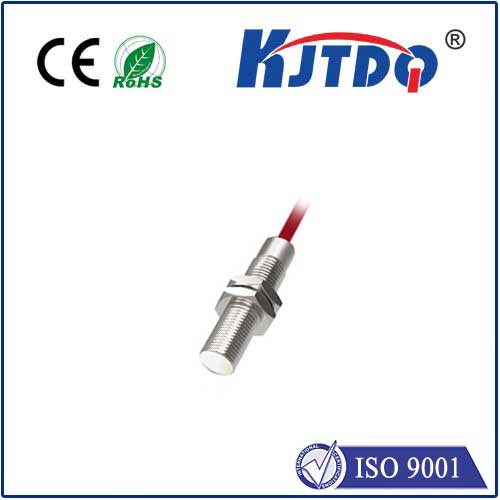
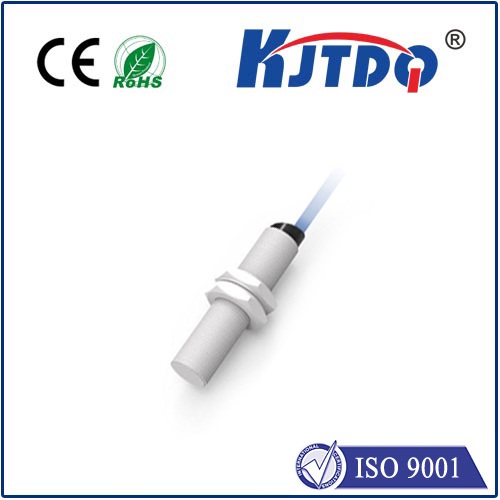
In the rapidly evolving landscape of industrial automation and smart technology, the demand for reliable and precise detection solutions has never been higher. Among the array of sensing technologies available, the double distance proximity sensor stands out as a sophisticated tool designed to address complex operational challenges. This advanced sensor operates on the fundamental principle of detecting the presence or absence of an object within two distinct, predefined ranges, offering a dual-layer of monitoring capability that single-range sensors cannot provide.
The core functionality of a double distance proximity sensor lies in its ability to set two separate detection thresholds. For instance, it can be configured to recognize an object at a 'far' distance, triggering a preliminary alert or initiating a preparatory sequence. As the object moves closer and crosses the second, 'near' threshold, a different, often more critical, action is executed. This two-stage detection process is invaluable in applications requiring graded responses, such as in automated assembly lines where a component's approach first readies a robotic arm and its subsequent proximity commands the arm to grip or assemble. Unlike standard inductive or capacitive sensors that offer a single on/off signal, this sensor provides nuanced spatial data, enabling more intelligent and sequential machine behaviors.
The applications for this technology are vast and transformative. In the automotive manufacturing sector, these sensors are pivotal in robotic welding and painting cells, ensuring tools activate at precise distances for consistent quality and safety. Within the realm of packaging machinery, they can manage material flow by detecting the fill level in hoppers at two points, preventing overflows or shortages. Another critical application is in advanced security systems and automatic doors, where a first detection can activate a warning light or pre-open sequence, and a second, closer detection initiates the full opening mechanism, enhancing both efficiency and user safety. The logistics and warehousing industry also benefits greatly, using these sensors for pallet positioning and automated guided vehicle (AGV) navigation, where precise docking and obstacle avoidance are paramount.
Implementing a double distance proximity sensor offers several compelling advantages. Primarily, it consolidates functionality, often replacing the need for two separate sensors, which simplifies system design, reduces installation points, and lowers overall costs. The enhanced precision leads to fewer false triggers and more reliable operation, directly contributing to increased production uptime and reduced waste. Furthermore, the sequential feedback allows for smoother and more controlled machine motions, minimizing mechanical stress and wear. This level of control is essential for modern, interconnected Industry 4.0 environments, where sensors contribute data for predictive maintenance and process optimization.
When selecting a double distance proximity sensor for a specific application, several technical factors must be carefully evaluated. The sensing range for both thresholds is obviously crucial and must match the physical requirements of the process. The type of sensing technology—whether inductive (for metals), capacitive (for non-metals and liquids), or ultrasonic (for longer ranges and varied surfaces)—must be chosen based on the target material. Environmental robustness is another key consideration; sensors often need high Ingress Protection (IP) ratings to withstand dust, moisture, coolant sprays, or temperature extremes common in industrial settings. Output configuration, such as two separate digital signals or an analog output representing distance, must be compatible with the existing programmable logic controller (PLC) or system architecture. Finally, factors like response time, housing size, and mounting options play a significant role in seamless integration.
The integration of double distance proximity sensors represents a significant step towards more autonomous and efficient systems. By providing two-point spatial awareness, they enable machinery to interact with their environment in a more deliberate and intelligent manner. This not only solves immediate operational challenges but also lays the groundwork for collecting richer data, facilitating analytics, and supporting the journey towards fully optimized, smart factories. For engineers and system designers aiming to push the boundaries of automation, understanding and utilizing this dual-threshold sensing capability is no longer just an option but a strategic imperative for achieving superior precision, safety, and productivity.