check

check

check

check

check

check
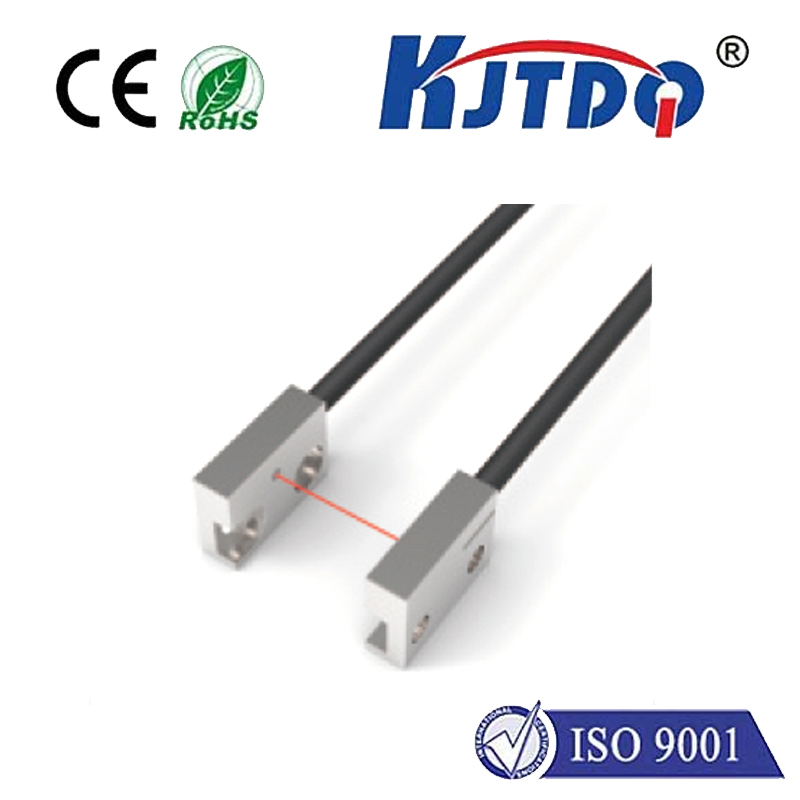
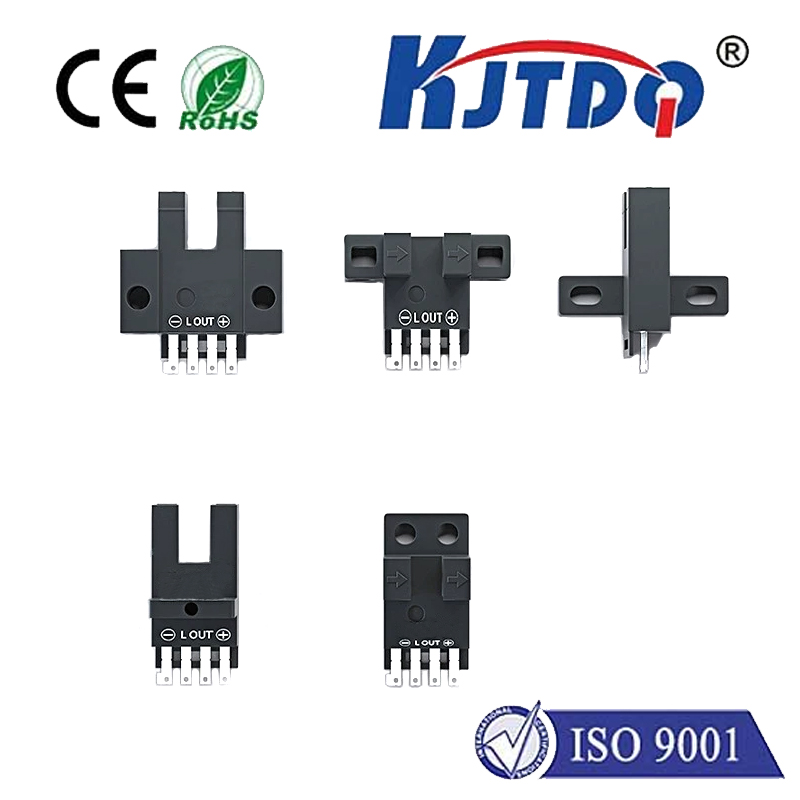
In today's fast-paced technological landscape, the demand for accurate and reliable sensing solutions has never been greater. Among the various innovations, the micro proximity sensor stands out as a pivotal component driving advancements across multiple industries. This tiny yet powerful device is designed to detect the presence or absence of objects within an extremely close range, typically from a few millimeters to a couple of centimeters, without any physical contact. Its compact size and high sensitivity make it an indispensable tool in applications where space is limited and precision is paramount.
The core technology behind micro proximity sensors often involves infrared, ultrasonic, or capacitive sensing principles. Infrared sensors emit light beams and measure the reflection to determine distance, while ultrasonic variants use sound waves for detection. Capacitive sensors, on the other hand, detect changes in electrical capacitance caused by nearby objects. Each type offers unique benefits, such as immunity to environmental factors like dust or moisture, enabling consistent performance in challenging conditions. For instance, in consumer electronics, these sensors are commonly integrated into smartphones to disable touchscreens during calls, preventing accidental inputs. Similarly, in automotive systems, they enhance safety by monitoring blind spots or assisting in automated parking functions.
Beyond consumer and automotive sectors, micro proximity sensors play a critical role in industrial automation. Manufacturing lines rely on them for precise object positioning, quality control, and robotic guidance, leading to increased efficiency and reduced downtime. In healthcare, they contribute to medical devices like infusion pumps or diagnostic equipment, ensuring accurate measurements and patient safety. The rise of the Internet of Things has further expanded their utility, with sensors enabling smart home systems to adjust lighting or climate based on occupancy, promoting energy conservation.
One of the key advantages of modern micro proximity sensors is their low power consumption, which aligns with the growing emphasis on sustainability and battery longevity in portable devices. Advances in materials and miniaturization have also improved their durability and response time, allowing for seamless integration into compact designs. As industries continue to evolve, the demand for these sensors is expected to surge, particularly in emerging fields like wearable technology and autonomous robotics.
However, selecting the right micro proximity sensor requires careful consideration of factors such as detection range, environmental tolerance, and cost-effectiveness. Engineers and designers must evaluate specific application needs to optimize performance. For example, in harsh industrial settings, sensors with robust housings and high ingress protection ratings are essential to withstand vibrations or temperature fluctuations. Meanwhile, in consumer products, aesthetic integration and user experience take precedence, driving innovations in sensor transparency and responsiveness.
Looking ahead, ongoing research aims to enhance sensor capabilities through artificial intelligence and machine learning integration, enabling predictive maintenance and adaptive behavior. This evolution promises to unlock new possibilities, from more intuitive human-machine interfaces to smarter urban infrastructure. As technology progresses, the micro proximity sensor will undoubtedly remain at the forefront, quietly powering the devices and systems that shape our daily lives with unmatched precision and reliability.