check

check

check

check

check

check
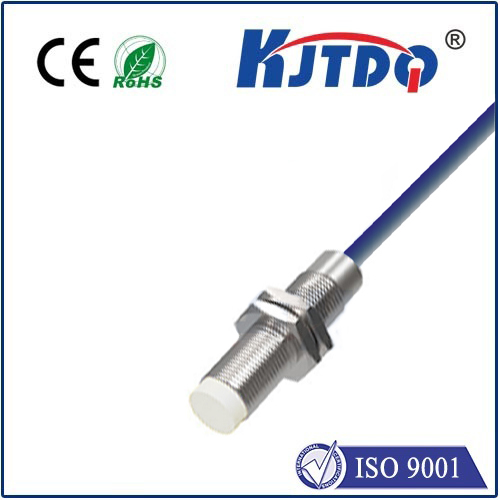
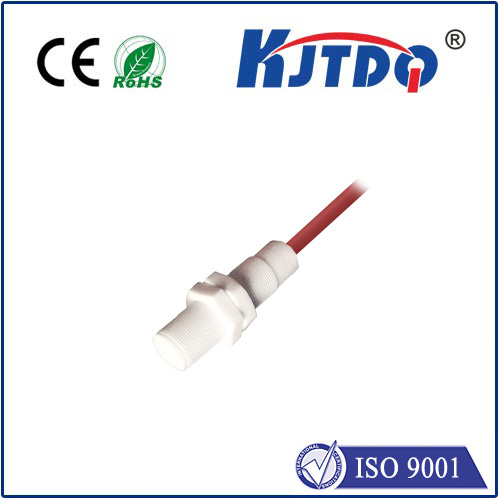
In industrial automation, reliability is non-negotiable. Harsh environments—characterized by chemical exposure, extreme temperatures, moisture, and abrasive materials—demand sensors that can withstand relentless punishment without faltering. Traditional inductive proximity sensors often succumb to these conditions, leading to frequent failures, production downtime, and increased maintenance costs. This is where the 196c Teflon Inductive Proximity Sensor emerges as a game-changer, engineered specifically to conquer the most demanding applications.
The core of its resilience lies in its advanced Teflon (PTFE) housing. Unlike standard metal or plastic sensor bodies, Teflon offers an exceptional combination of properties. It is inherently inert, providing superb resistance to a vast array of aggressive chemicals, including acids, alkalis, and solvents. This makes the sensor ideal for chemical processing plants, plating lines, and pharmaceutical manufacturing where corrosive substances are prevalent. Furthermore, Teflon has an extremely low coefficient of friction, preventing sticky materials like adhesives, resins, or food products from adhering to the sensor face. This non-stick characteristic ensures consistent detection performance and eliminates false triggers caused by material buildup.
Beyond chemical and stick resistance, the 196c sensor is built for physical durability. Its robust construction can handle high-pressure washdowns common in food & beverage and sanitary processing, meeting stringent hygiene standards. The housing is also highly resistant to UV radiation and extreme temperature fluctuations, ensuring stable operation both in freezing outdoor settings and near high-heat machinery. The inductive sensing technology within remains precise, capable of detecting all metals—including steel, aluminum, and brass—with a consistent sensing range, unaffected by the challenging external environment.
The operational benefits are substantial. By integrating the 196c Teflon sensor, facilities experience a dramatic reduction in unplanned stoppages. Sensor longevity is significantly extended, slashing replacement frequency and inventory costs. Maintenance schedules are simplified, as the sensor requires minimal cleaning and no protective coatings. This translates directly to higher overall equipment effectiveness (OEE), reduced total cost of ownership, and enhanced production throughput. Operators gain peace of mind, knowing the detection system will perform reliably, which is critical for safety systems and precision automation sequences.
Typical applications showcase its versatility. In wastewater treatment, it reliably detects equipment position amidst corrosive liquids. In woodworking or metal machining, it operates flawlessly despite clouds of conductive dust and chips. In packaging lines, it handles the presence of glues and moisture without issue. Its reliability also makes it a perfect fit for critical automotive assembly processes and marine equipment.
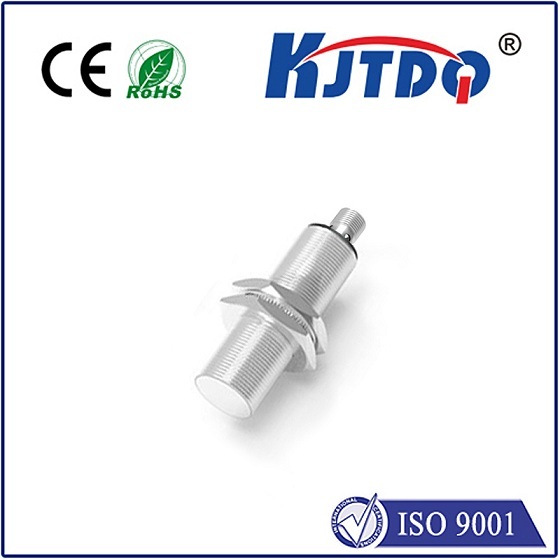
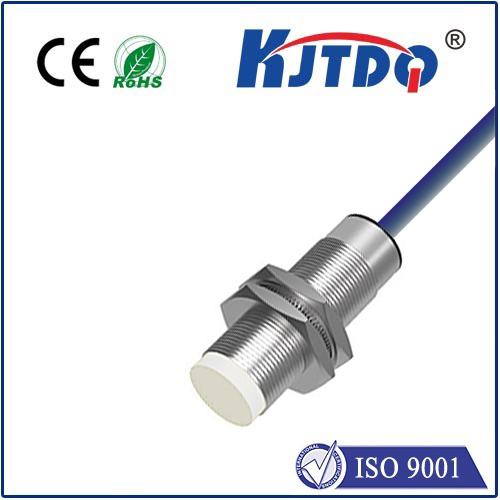
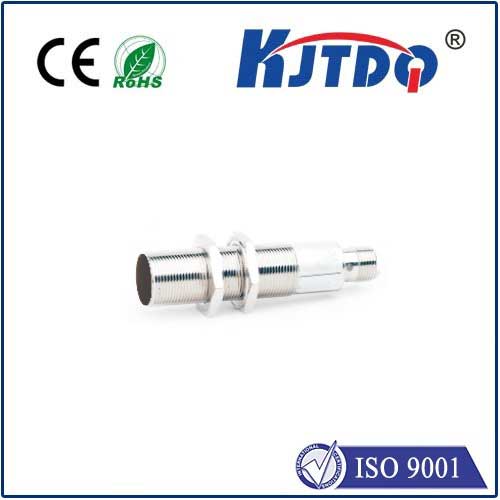
Selecting the right sensor is pivotal for system integrity. The 196c series is available in various form factors (cylindrical and rectangular), connection types (pre-wired or quick-disconnect), and output configurations (PNP/NPN, NO/NC) to seamlessly integrate into existing control panels. When specifying, key considerations include the specific chemical agents present, required sensing distance, temperature range, and IP rating for ingress protection.
In conclusion, the 196c Teflon Inductive Proximity Sensor is not merely an incremental improvement but a fundamental redesign for endurance. It addresses the core weaknesses of conventional sensors in aggressive industrial settings. By providing an unwavering shield against chemical, physical, and environmental degradation, it delivers unmatched reliability. For engineers and plant managers prioritizing uptime and longevity, adopting this sensor technology is a strategic investment that safeguards productivity and drives operational excellence in the face of the toughest conditions.