check

check

check

check

check

check
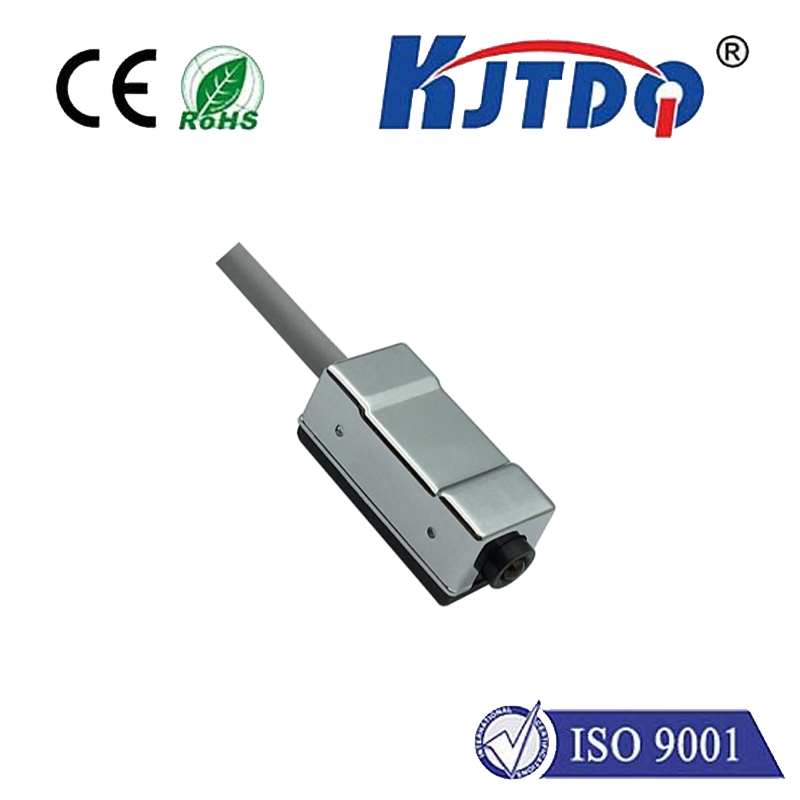
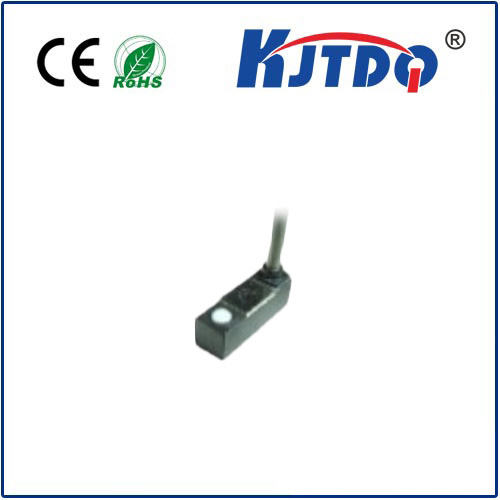
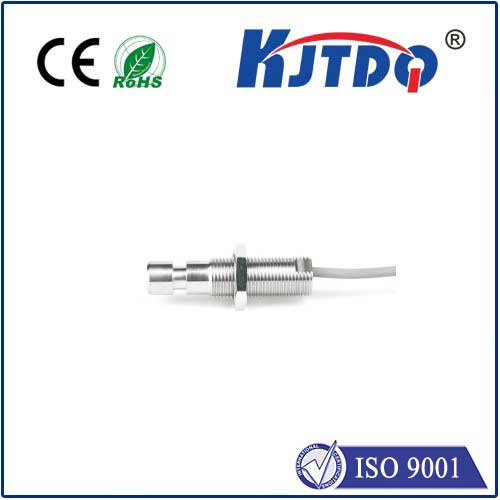
In the rapidly evolving landscape of smart technology, proximity sensors have become integral components, enabling seamless interaction between users and devices. Among these, the ring proximity sensor stands out as a particularly innovative solution, offering precise detection capabilities in a compact form factor. The KJTDQ ring proximity sensor exemplifies this advancement, designed to enhance user experiences across various applications, from wearable gadgets to industrial automation systems.
The primary function of a ring proximity sensor is to detect the presence or absence of objects within a specific range without physical contact. Utilizing technologies such as infrared, ultrasonic, or capacitive sensing, these sensors emit signals and measure changes in the environment to determine proximity. The KJTDQ variant employs advanced capacitive sensing, which ensures high accuracy and reliability even in challenging conditions like low light or variable temperatures. This makes it suitable for integration into consumer electronics, where consistent performance is crucial for user satisfaction.
One of the key advantages of the KJTDQ ring proximity sensor is its energy efficiency. By operating with minimal power consumption, it extends battery life in portable devices such as smartwatches, fitness trackers, and wireless earbuds. This efficiency does not compromise sensitivity; the sensor can detect subtle movements, enabling features like gesture control or automatic screen activation when a user brings their hand near a device. For instance, in smartphones, it can prevent accidental touches during calls by deactivating the display when held close to the ear, improving usability and reducing frustration.
In industrial settings, the robustness of the KJTDQ ring proximity sensor proves invaluable. Its durable construction allows it to withstand harsh environments, including exposure to dust, moisture, and mechanical vibrations. This reliability supports automation processes by monitoring object positions on assembly lines or ensuring safety in machinery by detecting human presence. The sensor's fast response time enhances operational efficiency, reducing downtime and maintenance costs. Additionally, its ring shape facilitates easy installation around components, making it a versatile choice for engineers seeking to optimize system designs.
The integration of the KJTDQ ring proximity sensor into IoT devices further demonstrates its versatility. In smart home systems, it can trigger lighting or climate control based on occupancy, contributing to energy conservation. For automotive applications, it aids in parking assistance by detecting obstacles, enhancing driver safety. The sensor's compatibility with various microcontrollers and communication protocols, such as I2C or SPI, simplifies development for tech innovators, accelerating time-to-market for new products.
Looking ahead, the potential applications of ring proximity sensors continue to expand. With advancements in AI and machine learning, sensors like the KJTDQ model could enable more intuitive interfaces, predicting user intentions based on proximity data. As the demand for smarter, more responsive technology grows, investing in reliable components like this sensor becomes essential for companies aiming to stay competitive. By prioritizing precision and adaptability, the KJTDQ ring proximity sensor sets a benchmark for future innovations in sensor technology.