check

check

check

check

check

check
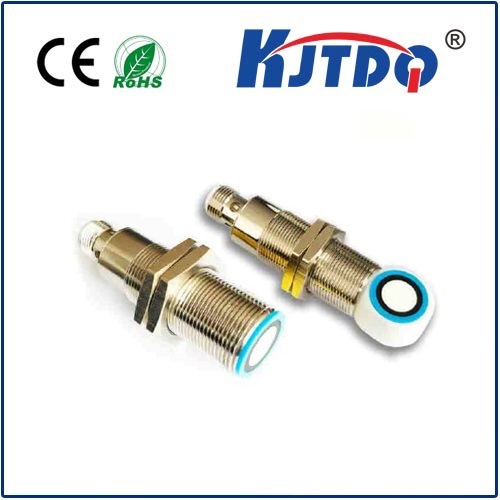
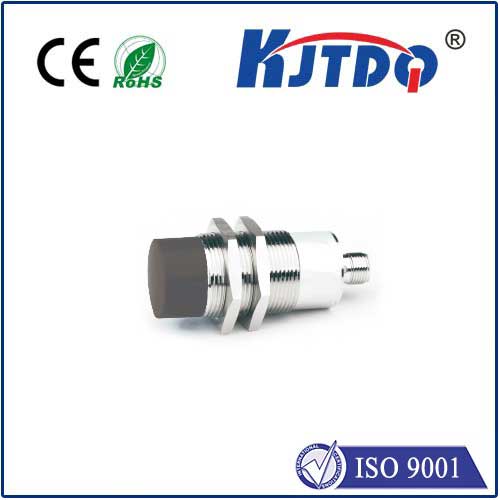
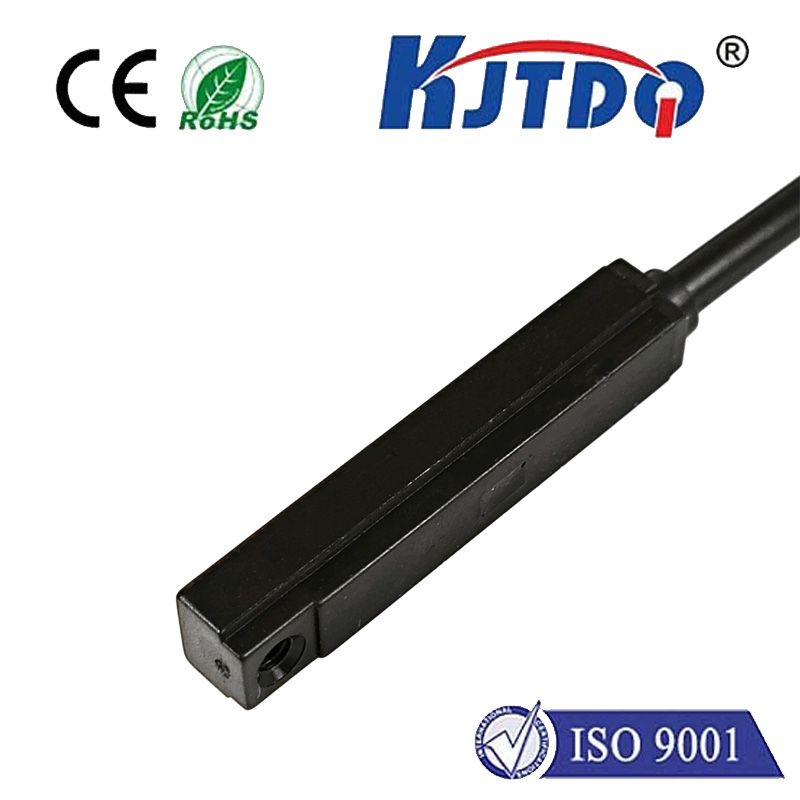
In the intricate dance of modern automation and robotics, a silent sentinel ensures seamless operation and prevents costly collisions. These are ultrasonic proximity sensors, sophisticated devices that have become fundamental components across countless industries. Unlike optical or inductive sensors, they utilize sound waves beyond human hearing to detect objects, measure distances, and monitor levels with remarkable reliability, unaffected by color, transparency, or ambient light conditions.
The core principle behind ultrasonic sensor technology is elegantly simple, mimicking the natural echolocation used by bats. The sensor's transducer emits high-frequency ultrasonic pulses, typically between 40 kHz to 400 kHz. These sound waves travel through the air until they encounter an object. Upon striking the object, the waves are reflected back towards the sensor. A receiver within the sensor then captures this echo. By precisely calculating the time interval between the emission of the pulse and the reception of its echo, the sensor can determine the distance to the object with high accuracy. This time-of-flight measurement is the cornerstone of its functionality.
This unique operating principle grants ultrasonic proximity sensors a suite of compelling advantages. Their material independence is a key strength; they can reliably detect objects made of glass, liquid, metal, plastic, or wood, solving challenges where photoelectric sensors fail. They perform consistently in challenging environments filled with dust, smoke, or fog, where optical systems might be blinded. Furthermore, they offer excellent range capabilities, with some models capable of detecting objects several meters away, and provide precise distance data rather than a simple on/off signal.
The applications of ultrasonic sensors are vast and critical. In factory automation, they are deployed for precise positioning on assembly lines, palletizing, and detecting the presence of components. In the automotive sector, they form the backbone of parking assistance systems, measuring the distance to obstacles and alerting the driver. Within logistics and warehousing, they manage inventory by monitoring bin and tank levels, ensuring efficient material handling. AGVs (Automated Guided Vehicles) rely on them for navigation and obstacle avoidance, moving safely in dynamic human environments. Even in the food and beverage industry, they control liquid levels in opaque tanks, a task impossible for vision-based systems.
Selecting the right ultrasonic sensor requires careful consideration of several parameters. The sensing range, from a few centimeters to several meters, must match the application. The beam angle determines the detection cone's width—a narrower beam offers more precise targeting, while a wider beam is better for general presence detection. Response time is crucial for high-speed applications. Environmental factors like temperature fluctuations, wind, or acoustic noise must also be accounted for, as they can influence the speed of sound and signal integrity. Modern sensors incorporate temperature compensation to mitigate these effects.
Installation and alignment are critical for optimal performance. The sensor should be mounted securely to minimize vibration. The target object should be positioned as perpendicular as possible to the ultrasonic beam to ensure a strong echo return. Highly absorbent or soft materials, like foam or fabric, can dampen the sound waves, potentially reducing the effective range. It is also important to avoid mounting sensors facing each other directly to prevent crosstalk interference.
The evolution of ultrasonic sensing technology continues. Today's sensors are more compact, energy-efficient, and intelligent than ever. They feature integrated microprocessors for advanced signal processing, allowing them to filter out background noise and provide stable, reliable readings. IO-Link and other digital communication protocols enable seamless integration into Industry 4.0 and IoT frameworks, allowing for remote configuration, diagnostics, and data exchange.
From robotic arms working in tight confines to automated storage and retrieval systems in massive warehouses, ultrasonic proximity sensors operate as the invisible guardians. They provide the essential spatial awareness that machines need to interact with the physical world safely and efficiently. Their non-contact, robust, and versatile nature makes them an indispensable tool for engineers designing the automated systems of today and tomorrow. By delivering consistent, material-agnostic detection, they eliminate downtime, enhance safety, and drive operational precision, solidifying their role as a cornerstone of industrial innovation.