check

check

check

check

check

check
In the world of industrial automation and smart device design, two terms frequently surface as critical components for non-contact detection: the proximity switch and the proximity sensor. While often used interchangeably in casual conversation, they serve as the fundamental "eyes" of machinery, enabling precise, reliable, and wear-free operation in countless applications. This exploration delves into their technology, distinctions, and pivotal roles in modern engineering.
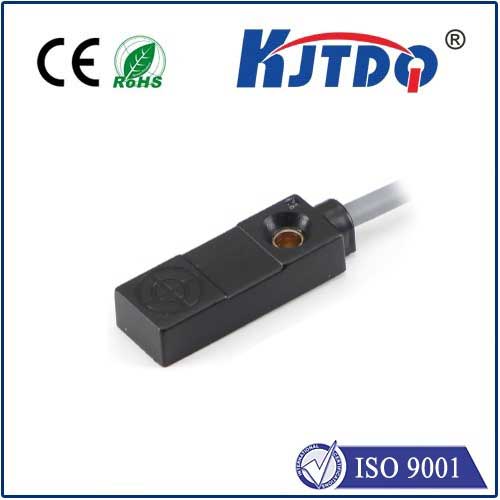
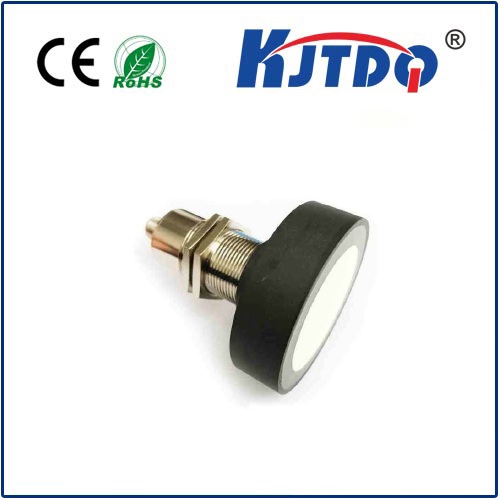
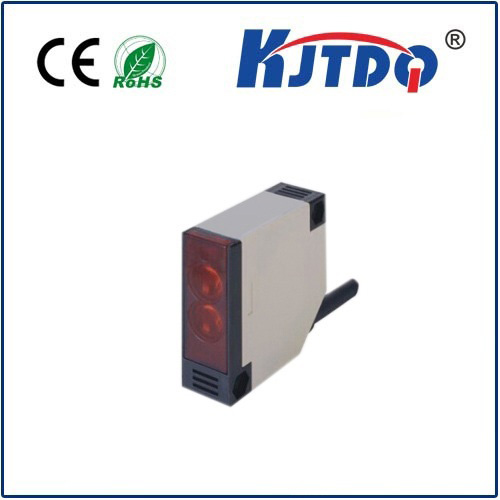
At its core, a proximity sensor is a broad category of devices that can detect the presence or absence of a nearby object without any physical contact. It does this by emitting an electromagnetic field, beam of light, or acoustic waves and then looking for changes in the field or return signal. The primary function is to *sense* and provide a continuous output signal, often analog, that can indicate distance. Common types include inductive sensors (for metals), capacitive sensors (for both metals and non-metals like liquids or plastics), photoelectric sensors (using light beams), and ultrasonic sensors.
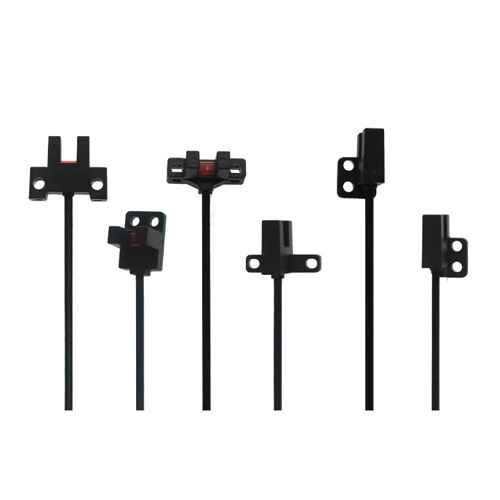
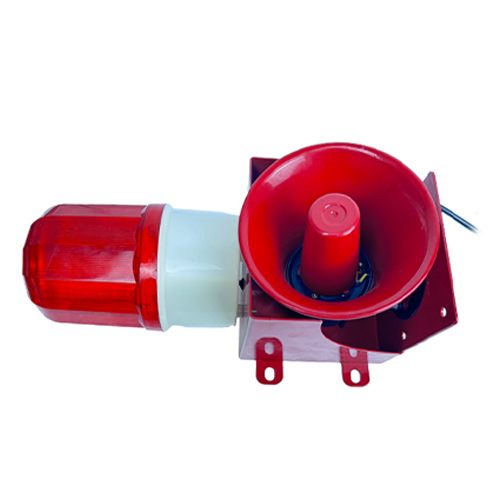
A proximity switch, however, is a specific application of a proximity sensor. It incorporates the sensing element but is designed with a built-in switching mechanism. Its main purpose is to act as a digital on/off control. When a target object enters its predefined detection range, the switch's internal circuit changes state—typically from open to closed or vice-versa—triggering an action. Think of it as a sensor with a decision-making output: "object present" (ON) or "object absent" (OFF). This binary signal is ideal for direct control of relays, PLC inputs, or alarms.
The synergy between these technologies is where operational magic happens. Consider a high-speed bottling plant. Capacitive proximity sensors might monitor liquid levels in bottles by detecting the material through glass. Simultaneously, inductive proximity switches could be positioned on the conveyor line to count metal caps as they pass, each detection sending a crisp pulse to the production counter. In automotive assembly, proximity switches ensure robotic arms are in the correct starting position before a weld cycle begins, preventing costly collisions. In consumer electronics, a miniature proximity sensor in a smartphone detects when the phone is near your ear during a call, automatically turning off the display to save power and prevent accidental touch inputs.
Selecting the right device hinges on several key factors. First is the target material. For ferrous metals, an inductive type is most effective and immune to non-metallic environmental factors. For other materials, capacitive or photoelectric sensors are chosen. The required sensing distance, environmental conditions (like dust, moisture, or temperature extremes), output type needed (analog signal for precise positioning or digital switch for simple detection), and response speed are all critical considerations. Modern advancements have led to sensors with enhanced immunity to electrical noise, longer sensing ranges, and incredibly compact form factors, allowing integration into ever-smaller devices.
The evolution towards Industry 4.0 and the Internet of Things (IoT) is further elevating their importance. Smart proximity devices now come with IO-Link communication, enabling not just detection but also the transmission of detailed parameter data and health status to central control systems for predictive maintenance. This connectivity transforms a simple switch into a data point, helping optimize entire production flows and minimize unplanned downtime.
From safeguarding heavy machinery to enabling the touchless interfaces of today, the humble proximity switch and the versatile proximity sensor are indispensable. They work silently and reliably, forming the essential layer of perception that allows automated systems to interact intelligently and safely with the physical world. Understanding their specific capabilities and applications is crucial for any engineer or technician aiming to design, maintain, or improve efficient and innovative automated systems.