check

check

check

check

check

check
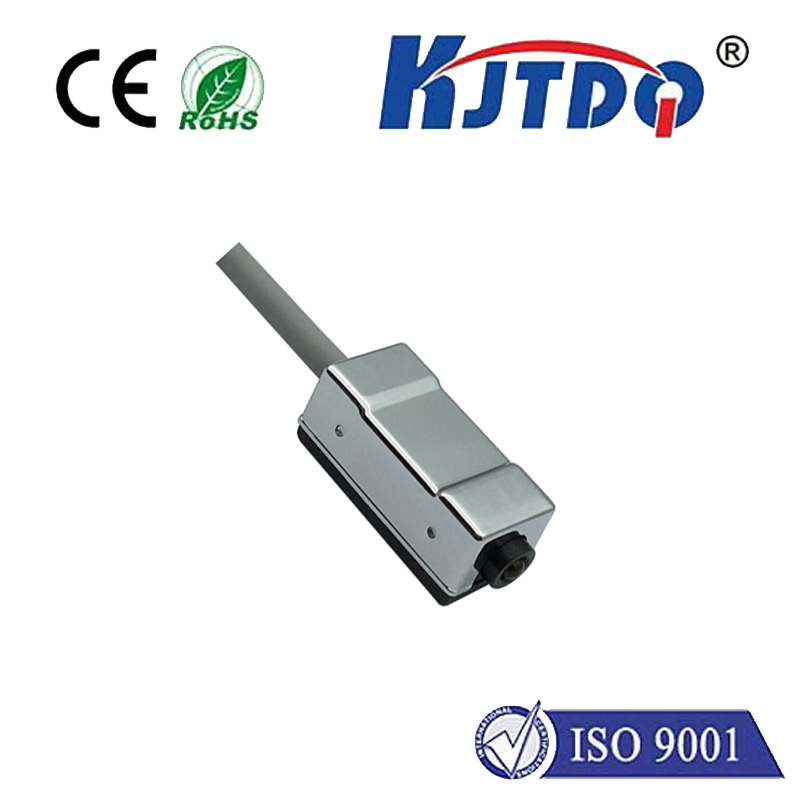
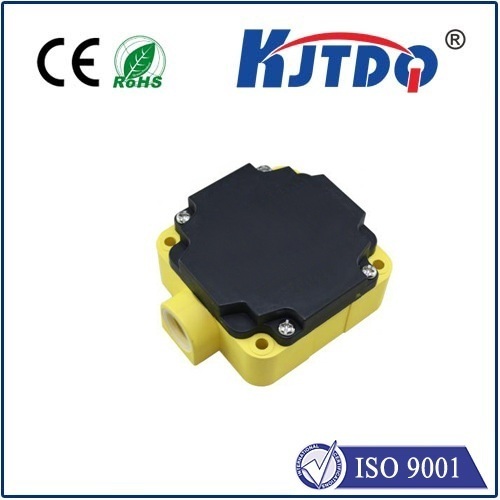
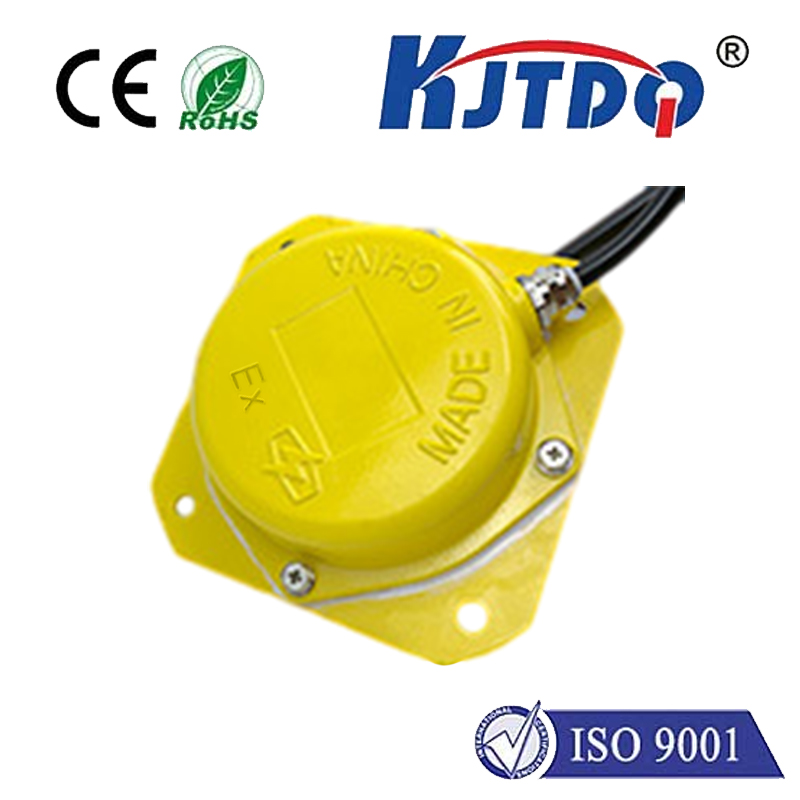
In the world of industrial automation and smart electronics, the demand for reliable, non-contact detection is paramount. Among the various technologies available, Hall effect sensors have carved out a critical niche, and the KTJHALL Proximity Sensor stands as a prime example of this technology's evolution. This guide delves into the core principles, applications, and distinct advantages of this specific sensor type, providing a comprehensive overview for engineers, procurement specialists, and technology enthusiasts.
At its heart, the KTJHALL Proximity Sensor operates on the fundamental Hall effect principle. Discovered by Edwin Hall in 1879, this effect describes the generation of a voltage difference (the Hall voltage) across an electrical conductor when a magnetic field is applied perpendicular to the current flow. Modern Hall effect sensors, like the KTJHALL, integrate this phenomenon with sophisticated semiconductor circuitry. They do not require physical contact with the target object; instead, they detect the presence, absence, or strength of a magnetic field. When a predefined magnetic threshold is reached, the sensor's output state switches, sending a clear digital or analog signal to the control system. This non-contact nature is the cornerstone of its reliability, eliminating issues like mechanical wear, contact bounce, and contamination that plague mechanical switches.
The applications for the KTJHALL Proximity Sensor are vast and span numerous industries. In automotive systems, they are indispensable for sensing gear position, wheel speed (anti-lock braking systems), and seatbelt buckle status. Within factory automation, they provide precise end-of-travel detection for linear actuators, count rotating objects via gear teeth, and confirm the open/closed status of doors or safety guards on machinery. Consumer electronics utilize them in laptops and flip phones to detect lid closure. Furthermore, their robustness makes them ideal for harsh environments where oil, dust, or moisture would incapacitate optical or capacitive sensors. The KTJHALL variant is often engineered with specific features such as enhanced temperature stability, reverse polarity protection, and various output configurations (NPN/PNP, NO/NC) to fit diverse application requirements.
Choosing a KTJHALL Proximity Sensor over other sensing technologies offers a compelling set of benefits. First and foremost is exceptional longevity. With no moving parts to wear out, these sensors can operate for hundreds of millions of cycles, ensuring low lifetime cost and minimal maintenance. They are inherently immune to environmental factors like dust, dirt, and humidity, and many are available in sealed, waterproof housings. Their response speed is extremely fast, capable of detecting rapid changes in magnetic field, which is crucial for high-speed counting or timing applications. Additionally, they consume very little power, making them suitable for battery-operated devices. Compared to inductive proximity sensors, which only detect metals, Hall effect sensors specifically respond to magnetic fields, allowing for more flexible design—the target can be a simple permanent magnet embedded in a non-metallic object.
When integrating a KTJHALL Proximity Sensor into a system, several key considerations ensure optimal performance. The selection of the magnet (strength, size, polarity) and its orientation relative to the sensor's sensing face are critical for achieving the desired sensing distance, or "switching point." The operating voltage range must match the control system's supply. Engineers must also decide between unipolar sensors (activated by a single south or north pole) and bipolar/latching sensors (activated by one pole and released by the opposite). Proper mounting, away from strong external magnetic fields or large current-carrying conductors, prevents false triggering. For demanding applications, consulting the specific KTJHALL datasheet for parameters like sensitivity, hysteresis, and temperature coefficients is non-negotiable.
In conclusion, the KTJHALL Proximity Sensor represents a mature, highly reliable, and versatile solution for non-contact position and speed sensing. Its operation based on the timeless Hall effect principle has been refined through modern electronics to deliver precision in a rugged package. From streamlining complex assembly lines to ensuring the safety features in your vehicle operate flawlessly, this sensor technology works silently in the background. For any project demanding durable, maintenance-free, and accurate detection, understanding and specifying the correct Hall effect proximity sensor, such as the KTJHALL series, is a step toward building more robust and intelligent systems.