check

check

check

check

check

check
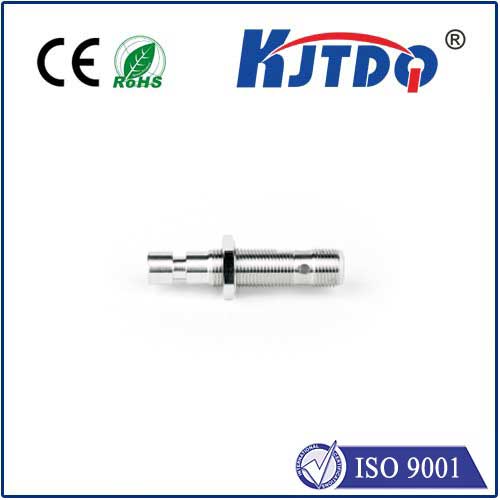
In the realm of mineral exploration and security screening, the ability to accurately detect specific metals, particularly gold, is paramount. Traditional metal detectors often struggle with discrimination, sounding alerts for all conductive materials. This is where specialized gold proximity sensors, a sophisticated subset of metal detection technology, come into play. These advanced devices are engineered to identify and signal the presence of gold with remarkable precision, minimizing false positives from other common metals like iron or aluminum.
The core technology behind a gold proximity sensor hinges on its ability to generate a high-frequency electromagnetic field. When this field interacts with a metallic object, eddy currents are induced on the target's surface. The sensor's highly tuned circuitry then analyzes the distinct phase and amplitude shift in the field caused by these currents. Gold, with its unique conductivity and permeability characteristics, creates a signature response. Modern sensors utilize sophisticated digital signal processing (DSP) algorithms to filter out environmental noise and isolate this gold-specific signature, thereby achieving superior target identification.
The applications for such precise technology are diverse and impactful. For prospectors and treasure hunters, a reliable gold proximity sensor is an invaluable tool. It allows for efficient scanning of riverbeds, old mining sites, and geological formations, significantly increasing the likelihood of locating gold nuggets, flakes, or artifacts while ignoring trivial trash items. In industrial settings, these sensors are integrated into production lines for quality control, ensuring the purity of gold components in electronics or jewelry. Furthermore, in high-security areas like airports or government facilities, they can be part of a multi-layered security system to detect concealed gold-based components or contraband.
When selecting a gold proximity sensor for metal detection, several critical performance factors must be considered. Sensitivity and detection depth are primary concerns, often influenced by the sensor's frequency and coil design. Higher frequencies are generally more sensitive to small, low-conductivity targets like fine gold but have reduced depth penetration. Conversely, lower frequencies penetrate deeper but are less discriminating. The ideal device often offers frequency selection or multi-frequency operation to adapt to different scenarios. Ground balance is another crucial feature, especially for mineralized soils, which can cause significant interference. Advanced automatic ground balancing continuously adjusts the sensor to ignore ground minerals, focusing solely on the target.
Durability and ergonomics are equally important for field use. A robust, waterproof housing protects the sensitive electronics from moisture, dust, and physical impact. Lightweight design and a comfortable grip reduce user fatigue during long scanning sessions. The user interface should be intuitive, with clear visual or audio feedback that distinguishes potential gold targets from other metals. Many modern units feature LCD screens that display target ID numbers, depth indicators, and battery status, empowering the user with real-time information.
The evolution of gold detection technology continues to advance. Future trends point toward increased integration of artificial intelligence and machine learning. Sensors could learn from user-confirmed finds in specific locations, adapting their parameters for even better performance in that environment. Enhanced connectivity, such as GPS logging and data sharing via smartphone apps, allows prospectors to map and analyze their search patterns methodically. These innovations promise to make gold prospecting and security screening more scientific, efficient, and successful than ever before.
In conclusion, a dedicated gold proximity sensor represents a significant leap beyond conventional metal detection. By focusing on the distinct electromagnetic properties of gold, it provides a targeted, efficient, and reliable solution for a wide range of professional and recreational applications. Whether uncovering hidden treasures or safeguarding valuable assets, this technology delivers the precision needed to distinguish the valuable from the mundane, turning the challenge of gold detection into a more accurate and rewarding endeavor.