check

check

check

check

check

check
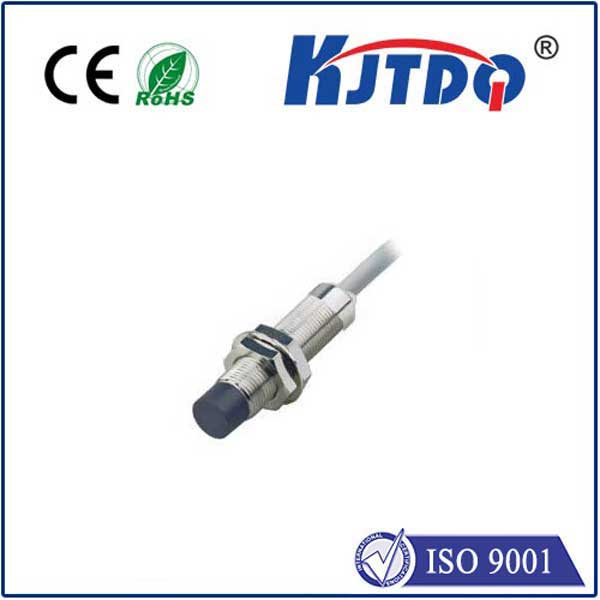
In the world of automation and smart systems, precise object detection within a defined space is paramount. The proximity sensor with a 0-3 meter range has emerged as a critical component, bridging the gap between short-range touchless switches and long-distance monitoring systems. This specific operational window offers a versatile solution for numerous applications where interaction or detection needs to occur within an arm's reach to several steps away.
Unlike basic sensors that simply detect presence or absence, modern 0-3 meter proximity sensors are sophisticated devices. They typically utilize technologies like ultrasonic sound waves, infrared light, or capacitive fields to measure distance without physical contact. The ultrasonic variant, for instance, emits high-frequency sound pulses and calculates distance based on the echo's return time. This method provides reliable performance even in environments with dust, smoke, or varying light conditions, making it a robust choice for industrial settings. Infrared sensors, on the other hand, use modulated light beams and are excellent for precise detection of solid objects, often found in automated assembly lines or interactive kiosks.
The true value of this sensor range lies in its practical applications. In industrial automation, these sensors are the eyes of machinery, ensuring worker safety by creating a detection zone around hazardous equipment. They can trigger emergency stops if a person or object encroaches within the programmed distance. On factory floors, they are indispensable for precise positioning control, object counting on conveyor belts, and monitoring bin levels for materials. The 0-3 meter range is ideal for these tasks, offering enough standoff distance to avoid collisions while maintaining high accuracy for process control.
Beyond the factory, this technology integrates seamlessly into the consumer and commercial world. Modern interactive digital signage often employs such sensors to detect a person's approach, waking the display from sleep mode to conserve energy and engage the customer. In smart building management, they contribute to energy efficiency by detecting occupancy in conference rooms or office spaces, automatically adjusting lighting and HVAC systems. Even in the automotive sector, these sensors play a role in new parking assistance systems, providing mid-range feedback to drivers.
When selecting a 0-3 meter proximity sensor for a project, several key specifications demand attention. The sensing range itself is just the beginning. Engineers must consider the sensor's resolution and repeatability—how consistently it can detect an object at the same distance. The response time is crucial for high-speed applications, determining how quickly the sensor can relay a detection signal. Environmental factors are equally important; the sensor's housing must have an appropriate Ingress Protection (IP) rating to withstand dust, moisture, or washdowns. Furthermore, the output signal type, whether analog (4-20mA, 0-10V) or digital (PNP/NPN), must be compatible with the existing control system, such as a Programmable Logic Controller (PLC).
Installation and calibration are critical steps to ensure optimal performance. Proper mounting is essential to avoid false triggers from background objects or sensor housing reflections. Many models feature built-in potentiometers or teach-in functions via a button, allowing technicians to easily set the exact switching points within the 0-3 meter span. Regular maintenance, such as cleaning the lens of an optical sensor, ensures long-term reliability and prevents drift in the detection range.
The evolution of the Industrial Internet of Things (IIoT) is further enhancing the capabilities of these sensors. Newer models come equipped with digital interfaces like IO-Link, which provides not just a simple on/off signal but a wealth of diagnostic data. Maintenance teams can monitor parameters like internal temperature, signal strength, and even predict potential failures before they cause downtime. This connectivity transforms a simple detection device into an intelligent node within a larger data-driven ecosystem.
In conclusion, the proximity sensor operating within a 0 to 3-meter range is a foundational technology enabling smarter interaction between machines and their environment. Its balanced range offers unparalleled versatility, from safeguarding human workers to optimizing complex automated processes and creating intuitive user experiences. As sensing technology continues to advance with improvements in accuracy, connectivity, and durability, these devices will remain indispensable in building the intelligent, responsive, and efficient systems of the future. Understanding their operation, selection criteria, and integration potential is key for any professional involved in system design, automation, or smart technology implementation.