check

check

check

check

check

check
In the world of industrial automation and machinery, precision and reliability are non-negotiable. The KJTDQ Proximity Sensor, specifically the 18mm 12V DC model, stands as a cornerstone component for countless applications demanding accurate, non-contact object detection. This comprehensive guide delves into the features, applications, and critical considerations for integrating this robust sensor into your systems.
Understanding the core specifications is paramount. The "18mm" refers to the sensor's cylindrical housing diameter, a common and versatile size that fits standard mounting fixtures. The "12V DC" denotes its operating voltage, making it compatible with a wide range of low-voltage control circuits, PLCs (Programmable Logic Controllers), and automotive systems. This voltage range is prized for its safety and widespread availability in industrial and mobile environments.
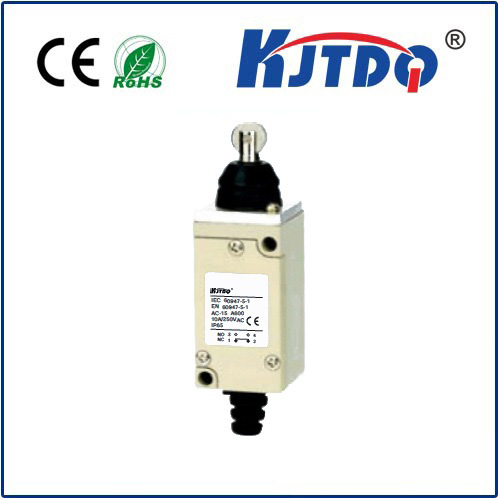
The primary advantage of an inductive proximity sensor like the KJTDQ 18mm 12V model is its ability to detect metallic objects—typically ferrous metals like steel and iron—without any physical contact. It generates an electromagnetic field. When a metal target enters this field, it causes a change in the sensor's internal oscillation, triggering a solid-state switch. This results in a clean, fast, and wear-free signal, eliminating the mechanical failure points associated with limit switches. The output is typically a digital ON/OFF signal, perfect for counting, positioning, or end-limit detection tasks.
Durability is a key selling point. Housed in a robust nickel-plated brass or stainless-steel barrel, these sensors are built to withstand harsh conditions. They are often rated with high IP (Ingress Protection) codes, such as IP67, meaning they are dust-tight and can withstand temporary immersion in water. This makes them ideal for challenging environments like machine tools, conveyor systems, packaging machinery, and even outdoor or washdown applications where coolant, oil, or debris are present.
When selecting and installing the KJTDQ 18mm 12V sensor, several technical factors demand attention. The sensing distance, or "rated operating distance," is crucial. For an 18mm inductive sensor, this is typically around 5-8mm, but it's essential to consult the specific datasheet. Always maintain a 10-20% safety margin from the rated distance to ensure consistent operation despite temperature fluctuations or supply voltage variations. Furthermore, pay close attention to the output configuration—whether it's NPN (sinking) or PNP (sourcing)—to ensure compatibility with your controller's input card. The wiring is straightforward, usually involving three wires: brown for +V (12V), blue for 0V (ground), and black for the output signal.
Real-world applications are vast. Imagine a bottling plant where the sensor detects each metal cap on a conveyor, ensuring proper fill levels. In an automotive assembly line, it verifies the presence of engine blocks or confirms a robotic arm's position. Within a CNC machine, it acts as a homing sensor for the tool head. Its 12V capability also makes it suitable for mobile equipment, agricultural machinery, and vehicle-based systems.
For optimal performance, proper installation is critical. Ensure the sensor is mounted securely to avoid vibration-induced errors. Be mindful of the sensing face; keep it free of buildup from adhesives or metal chips. Also, consider the material of the target. While inductive sensors work best with steel, the sensing distance reduces for non-ferrous metals like aluminum or copper. For such materials, a sensor with a correction factor or a capacitive sensor might be more appropriate.
In conclusion, the KJTDQ Proximity Sensor 18mm 12V DC represents a blend of simplicity, robustness, and critical functionality. Its design focuses on delivering a dependable digital signal in demanding environments, forming the invisible "eyes" of automated systems. By understanding its operating principles, specifications, and installation nuances, engineers and technicians can leverage this component to enhance machine reliability, safety, and efficiency, forming a fundamental link in the chain of modern industrial automation.