explosion proof limit switch
- time:2025-09-12 02:28:12
- Click:0
Explosion Proof Limit Switches: The Essential Sentinels for Hazardous Zones
Imagine a vast petrochemical complex humming with activity. Pipes snake through the facility, carrying volatile substances. Critical machinery operates continuously. Now, picture a seemingly simple component tasked with stopping a conveyor belt at the precise moment a tank is full, signalling a valve to close deep within the process, or confirming a safety gate is secure. This component isn’t just any switch; it’s an explosion proof limit switch – a vital piece of safety engineering designed to function reliably where a single spark could spell catastrophe.
In industries dealing with flammable gases, vapors, mists, or combustible dusts – think oil & gas, chemical processing, pharmaceuticals, grain handling, or mining – standard electrical equipment poses a significant risk. The normal operation of a switch, including the opening and closing of contacts, or even a component failure, can generate arcs, sparks, or sufficient surface temperature to ignite the surrounding explosive atmosphere. This is where the explosion proof limit switch transitions from a mere component to an indispensable safety guardian.
What Defines an Explosion Proof Limit Switch?
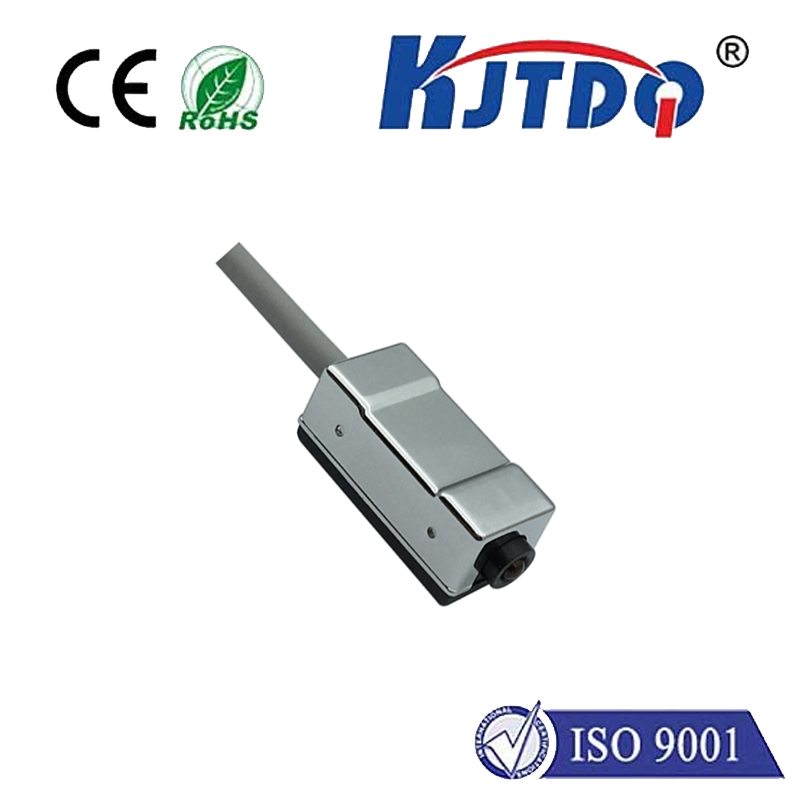
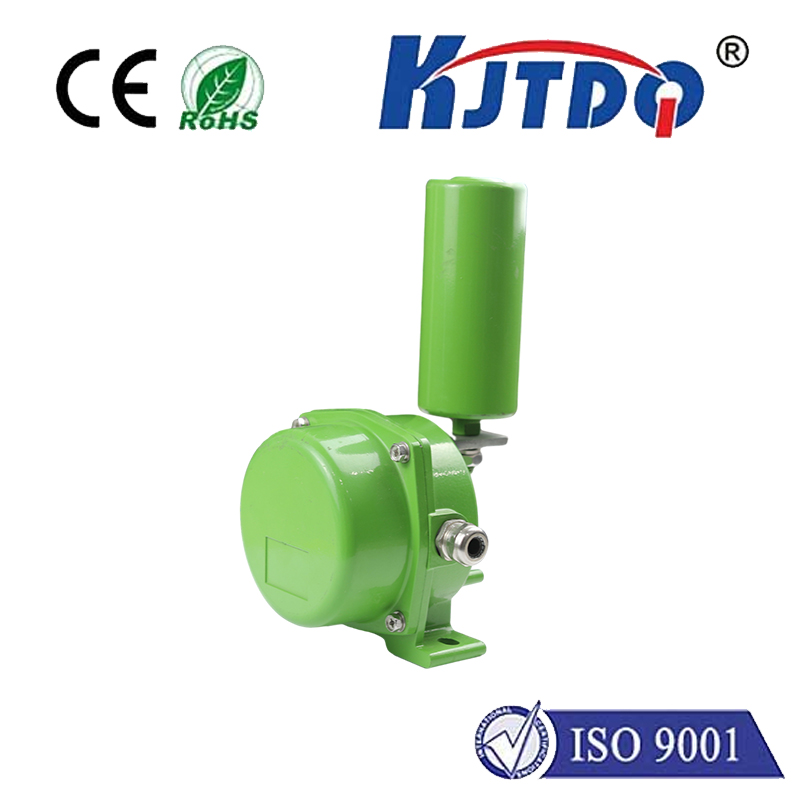
At its core, an explosion proof limit switch functions like a standard limit switch: it senses the physical position or presence of an object (like a moving machine part, a valve stem, or a door) and changes its electrical state (open/close) accordingly. The critical difference lies in its robust construction, specifically engineered to contain any internal explosion and prevent it from igniting the hazardous atmosphere outside.
This is achieved through several key design principles:
- Heavy-Duty Enclosure: Constructed from durable materials like cast aluminum, stainless steel, or brass, the enclosure is designed to withstand significant internal pressure generated by an explosion within.
- Precision Flame Paths: Joints between the enclosure body and its cover (or where shafts enter/exit) are meticulously machined to create long, narrow gaps known as flame paths. If an explosion occurs inside:
- These paths cool the escaping hot gases significantly below the ignition temperature of the surrounding atmosphere.
- The expelled gases are cooled enough to prevent them from igniting the external hazardous environment.
- Robust Sealing: Special gaskets and seals prevent corrosive gases or dust from penetrating the enclosure and compromising internal components or the flame paths.
- Spark-Free Operation (Where Possible): While the primary protection relies on containment, designs often favor mechanisms that minimize spark generation internally.
Why “Explosion Proof” Matters: Protecting People and Assets
The consequences of an ignition in a hazardous area are severe: catastrophic explosions leading to loss of life, devastating environmental damage, destruction of multi-million dollar equipment, and prolonged operational downtime. Explosion proof limit switches are fundamental barriers against these risks. By ensuring that any ignition source generated within the switch remains safely contained, they allow for the safe monitoring and control of machinery and processes in Zones 1 & 2 (gases/vapors) or Zones 21 & 22 (dusts).
Key Applications Where Safety Depends on Them:
- Tank Level Control: Signaling high or low levels in tanks storing flammable liquids.
- Valve Position Indication: Confirming valves in pipelines are fully open, closed, or at an intermediate position.
- Conveyor Belt Monitoring: Detecting position, alignment, or overload conditions.
- Machine Guarding: Ensuring safety gates or guards are securely closed before machinery operates.
- Hoist and Crane Positioning: Defining upper and lower travel limits for lifting equipment in hazardous zones.
- Door and Hatch Monitoring: Confirming access points to hazardous areas are sealed.
Navigating Standards and Certifications
The design, testing, and certification of explosion proof equipment are governed by strict international and regional standards. This ensures consistent levels of safety worldwide. Key certifications to look for include:
- ATEX (Europe): Directive 2014/34/EU defines requirements for equipment intended for use in potentially explosive atmospheres. Products carry an “Ex” marking detailing their protection type and applicable zones.
- IECEx (International): The IEC System for Certification to Standards Relating to Equipment for Use in Explosive Atmospheres provides international certification.
- UL/CSA (North America): Underwriters Laboratories (UL) and the Canadian Standards Association (CSA) certify equipment according to standards like UL 1203 (Explosion-Proof Equipment) and the National Electrical Code (NEC) / Canadian Electrical Code (CEC), which defines Class/Division systems (Class I Division 1⁄2) alongside the newer Zone system. Look for markings like “Class I, Div 1” or “Class II, Div 1” for dust environments.
Selecting the correct switch requires matching its certification markings exactly to the specific hazardous area classification (Zone, Group, Temperature Class) of the installation location. Consulting with safety experts or engineers familiar with hazardous area classification is crucial.
Choosing the Right Explosion Proof Limit Switch
Beyond certification, several factors influence selection:
- Environmental Hazards: Identify the specific substances present (gas group, dust type) and the hazard zone classification.
- Mechanical Requirements: Consider the actuator type (lever, roller, plunger), operating force needed, repeatability, travel distance, and electrical rating (voltage, current).
- Environmental Toughness: Assess needs for resistance to corrosion, weather (IP/NEMA ratings), impact, vibration, and extreme temperatures.
- Switch Configuration: Determine the required number of poles (contacts) and contact configuration (Normally Open, Normally Closed, changeover).
- Material of Construction: Choose based on the chemical environment (stainless steel offers superior corrosion resistance).
Installation and Maintenance: Keys to Long-Term Safety
Even the most robust explosion proof limit switch relies on correct installation and maintenance for its safety integrity:
- Follow Manufacturer Instructions: Installation procedures, especially regarding proper tightening torques for enclosure bolts and ensuring flame paths are not damaged or contaminated, are paramount.
- Use Certified Cable Glands: Seals where cables enter the enclosure must be specifically certified for explosion proof use and correctly rated for the cable diameter and hazardous area.
- Routine Inspection: Regularly inspect for physical damage, corrosion, integrity of seals and gaskets, and ensure actuator movement isn’t impeded.
- Authorized Personnel: Only qualified personnel familiar with explosion proof principles should perform maintenance or modifications. Opening the enclosure in a hazardous area without proper gas testing and permits is extremely dangerous.
In the intricate ballet of industrial processes within hazardous environments, explosion proof limit switches perform a deceptively simple yet profoundly critical role. They are the silent, robust sentinels located at crucial junctures, translating physical movement into reliable electrical signals while simultaneously acting as an impenetrable barrier against potential disaster. Their specialized design, rigorous certification, and proper application form an essential layer in the multi-faceted safety strategy that protects human lives, the environment, and vital industrial infrastructure where hazardous atmospheres are a constant reality.