check
check
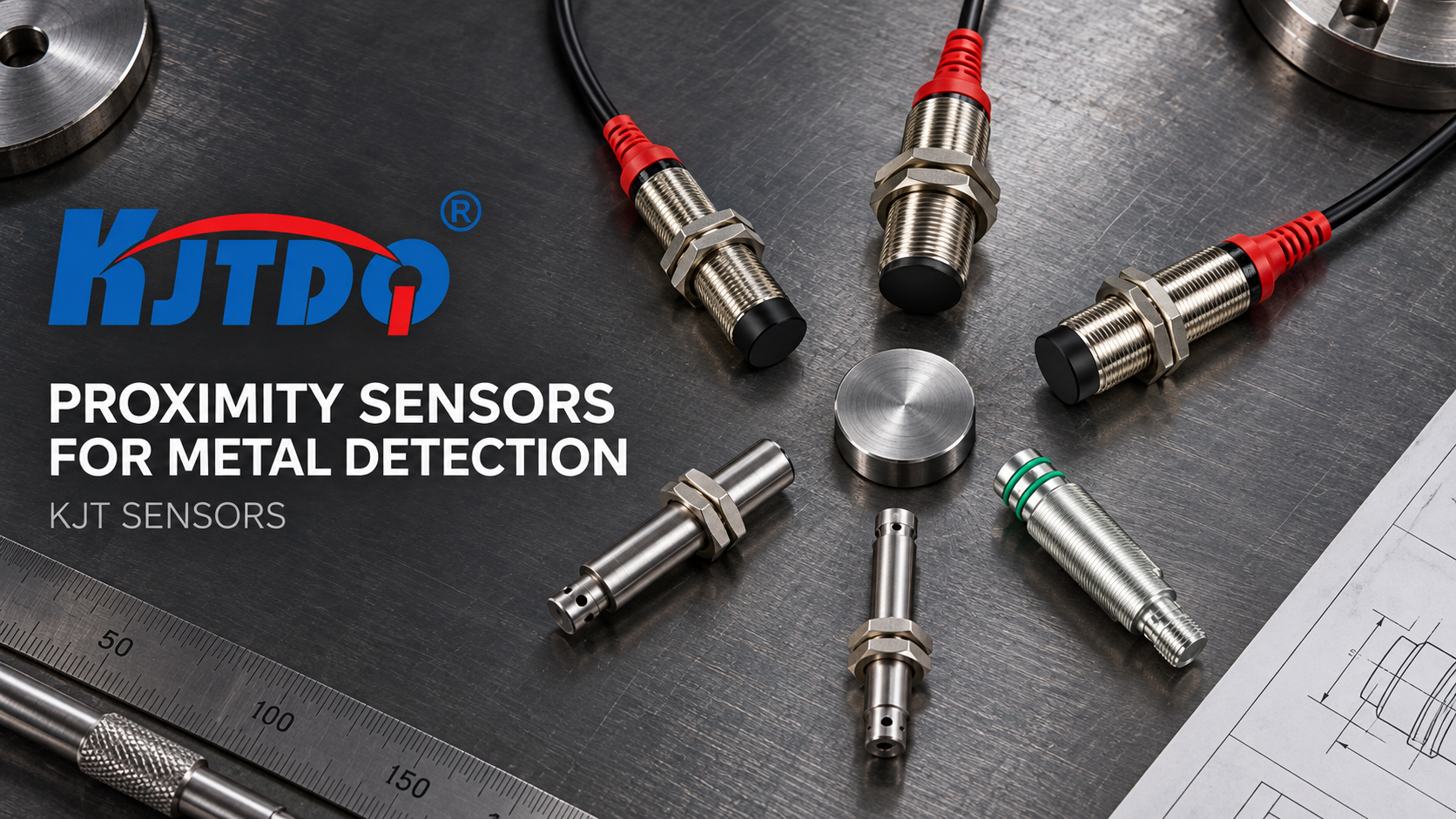
check

check
check
check
check
check

check

check
Imagine a bustling factory floor. Robotic arms swing with precision, conveyor belts hum, and intricate machinery performs its dance. Everything flows seamlessly, products move flawlessly. But what ensures this precision, preventing collisions, guaranteeing parts are present, or counting items at blinding speed? Often unseen and unheard, the unsung hero is the industrial proximity sensor. Far more than just a simple switch, these robust devices form the critical sensing foundation of modern industrial automation, enabling safety, efficiency, and reliability in demanding environments.
Beyond Touch: The Non-Contact Advantage
Unlike mechanical limit switches that require physical contact, industrial proximity sensors operate on a fundamental principle: non-contact detection. They sense the presence (or absence) of an object within their defined range without touching it. This inherent feature delivers significant advantages:
Unveiling the Invisible Fields: How They Work
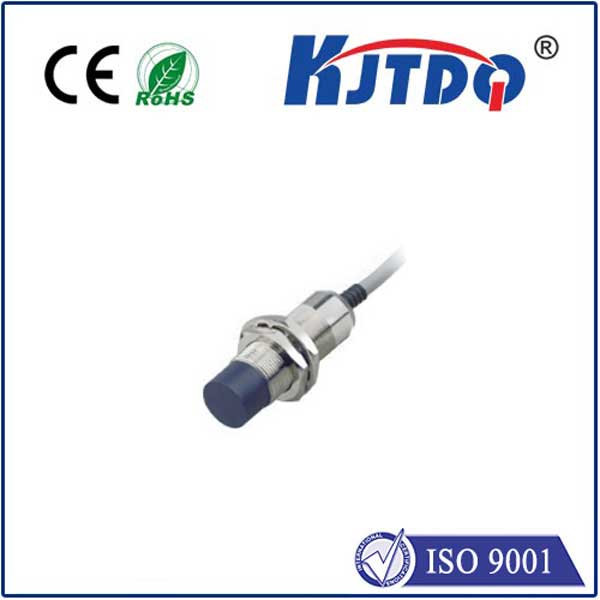
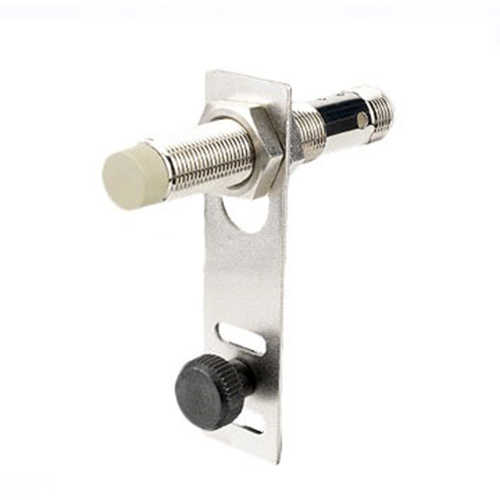
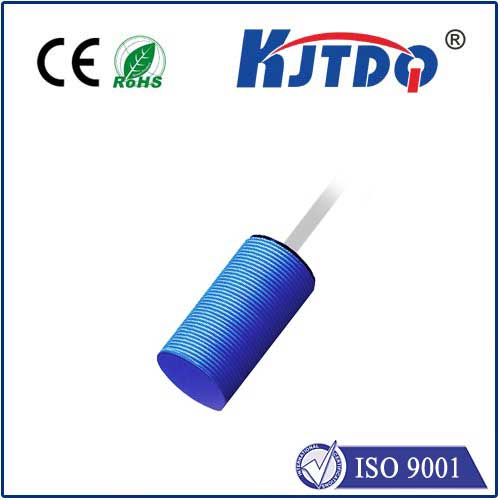
Industrial proximity sensors work by generating an electromagnetic or electrostatic field. When a target object enters this field, it causes a detectable change in the field’s properties. The sensor’s internal circuitry recognizes this change and triggers an output signal (typically switching a load on or off). The specific method of field generation and detection defines the primary types:
Where Precision Meets Productivity: Core Applications
The versatility of industrial proximity sensors makes them indispensable across countless sectors:
Choosing Your Sentinel: Key Selection Criteria
Selecting the right industrial proximity sensor is crucial for optimal performance. Key factors include:
Exploring the Future: Smart Sensing
While traditional switching sensors remain dominant, the rise of IIoT (Industrial Internet of Things) and Industry 4.0 is driving the adoption of “smart” proximity sensors. Features like IO-Link communication transform basic sensors into intelligent data points. Beyond simple presence detection, they can provide:
The Unseen Engine of Efficiency
Industrial proximity sensors, in all their varied forms, are far more than just components; they are the essential enablers of automated precision and efficiency. Their ability to perform non-contact detection reliably in the harshest industrial environments makes them fundamental to countless processes. From ensuring a robot picks up a part correctly to verifying a bottle is filled, or protecting machinery from damage, these “silent guardians” work tirelessly. By understanding their principles, types, and selection criteria, engineers and maintenance teams can harness their full potential, driving productivity and reliability to ever-higher levels on the modern factory floor. Investing in the right industrial automation sensor is an investment in the smooth, safe, and profitable operation of any automated system.