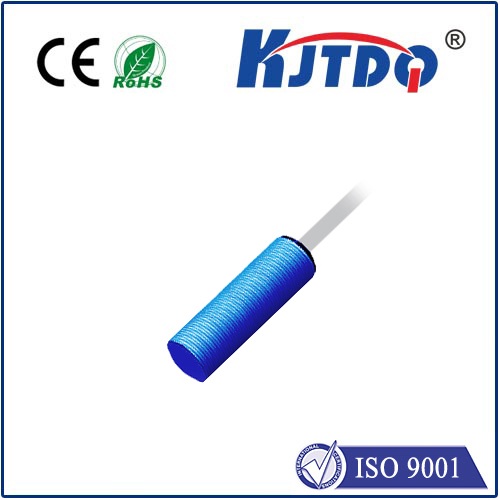
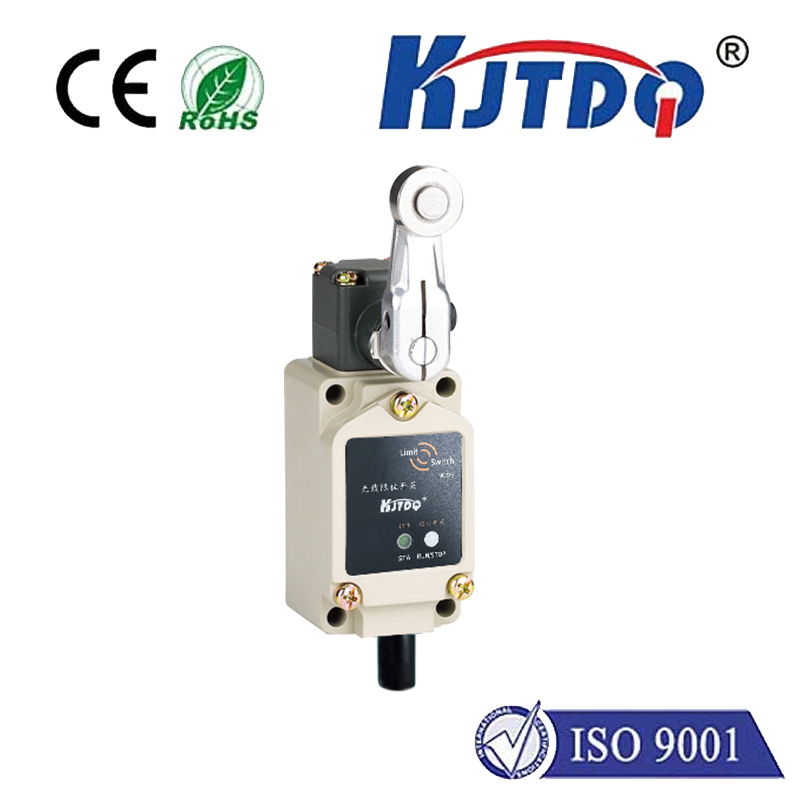
hi limit sensor
- time:2025-08-01 11:35:17
- Click:0
Beyond “Hi”: The Critical Lifesaver Role of the Limit Sensor in Every Heating System
Imagine this: Your furnace is humming away on a frigid winter night. Comfort radiates through your home. Then, a slight malfunction occurs – a blocked air vent, a failing fan motor, a stuck gas valve. Temperatures inside the furnace cabinet begin to climb, unseen, unchecked. Without a crucial safeguard, this scenario could escalate from inconvenient to catastrophic, potentially leading to damaged equipment, fires, or deadly carbon monoxide leaks. That silent guardian, the last line of defense against this thermal runaway? The hi-limit sensor. Far more than just a component, it’s a fundamental pillar of safety and equipment longevity in modern heating systems.
Decoding the “Hi-Limit” Designation
The name itself is revealing. “Hi” signifies high, and “limit” clearly marks a boundary. A hi-limit sensor, therefore, is a temperature-sensitive safety device specifically designed to monitor the heat level within a heating appliance – be it a furnace, boiler, oven, or dryer – and intervene decisively if that temperature exceeds a pre-set, safe maximum threshold. This threshold, known as the trip point, is carefully calibrated by manufacturers based on the safe operating parameters of the specific equipment. Its primary function is unequivocal: prevent dangerous overheating.
The Anatomy of Safety: How a Hi-Limit Sensor Functions
Most modern hi-limit sensors operate on relatively simple yet highly reliable principles, typically falling into these categories:
- Bimetallic Disc Switches: A classic design. Two dissimilar metals are bonded together. As temperature rises, these metals expand at different rates. Upon reaching the trip point, the differential expansion causes the disc to rapidly snap or “click” from a convex to a concave shape (or vice-versa). This physical movement directly opens or closes electrical contacts, cutting power to the heat source (e.g., gas valve, heating elements).
- Fusible Links: Some older systems or specific applications use a fusible alloy designed to melt at a precise temperature. This melting physically breaks an electrical circuit, stopping the heat source. While highly reliable, these are “one-time-use” devices and require replacement after activation.
- Electronic Sensors (Thermistors/RTDs): Increasingly common, especially in sophisticated systems. These solid-state devices change electrical resistance predictably with temperature. A control board continuously monitors this resistance. If the reading indicates a temperature exceeding the safe limit, the board immediately shuts down the heating sequence.
Regardless of the specific technology, the outcome is identical: When the hi-limit sensor detects excessive heat, it forces the system into a safety shutdown. This typically involves:
- Cutting fuel supply (closing the gas valve).
- De-energizing electric heating elements.
- Often, locking the system out entirely, requiring manual reset or a service call once the underlying overheating cause is resolved.
Why “Hi” is Your Hero: The Multifaceted Importance
The hi-limit sensor’s value extends far beyond just preventing fires, though that is paramount. Its critical roles include:
- Catastrophic Failure Prevention: Extremely high temperatures can warp metal components, melt wiring insulation, crack heat exchangers, or cause combustion chamber damage. A functioning hi-limit sensor stops operation before these critical failures occur, saving thousands in repair/replacement costs.
- Fire Prevention: This is the most dramatic and vital function. By stopping the heat source before temperatures reach levels that could ignite nearby combustible materials or components, the sensor is an indispensable fire safety device.
- Protecting Against Carbon Monoxide (CO) Hazards: A cracked heat exchanger, often caused by overheating, is a primary route for deadly carbon monoxide to enter living spaces. By preventing the overheating that leads to such cracks, the hi-limit sensor plays a crucial indirect role in CO safety. It is NOT a substitute for CO detectors, but a vital preventative layer.
- System Longevity: Consistent operation within safe thermal parameters significantly extends the lifespan of components like heat exchangers, motors, fans, and wiring. Overheating drastically accelerates wear and tear.
- Maintaining Efficiency: Systems running too hot often operate inefficiently, wasting energy. The sensor helps maintain optimal operating temperatures.
- Providing Diagnostic Clues: Repeated tripping of the hi-limit sensor is a major diagnostic indicator. It signals not a sensor failure (though that’s possible), but rather an underlying problem causing the overheating – restricted airflow (dirty filter, blocked vents), failing inducer motor or blower fan, incorrect gas pressure, or a faulty primary control.
Choosing and Caring for Your Silent Guardian
Selecting the right hi-limit sensor is not a DIY task. Always refer to the equipment manufacturer’s specifications. Using a sensor with an incorrect trip point (too high or too low) or electrical rating can compromise safety and void warranties. Installation must be precise, ensuring the sensor tip makes proper contact at the designated monitoring point within the appliance.
Maintenance is primarily indirect but crucial:
- Routine Airflow Management: This is the NUMBER ONE cause of nuisance hi-limit trips. Regularly replace or clean furnace filters. Ensure all supply and return vents are unobstructed. Keep the area around the furnace clear.
- Professional Servicing: Annual inspections by a qualified HVAC technician are essential. They will inspect the hi-limit sensor (testing it if possible), verify airflow, check blower operation and belt tension, clean components, and ensure the whole system operates safely within parameters.
- Never Ignore Lockouts: If your system locks out and requires resetting the hi-limit (often via a small button on the sensor or control board), it’s sending a critical warning. Resetting it without addressing the root cause (airflow restriction, component failure) is dangerous and will likely lead to rapid re-tripping. Call a professional.
The Unseen, Essential “Hi”
The hi-limit sensor rarely receives fanfare. It sits quietly within the cabinet, diligently monitoring temperatures. You’ll only hear of it if it performs its duty – shutting the system down to prevent disaster. That moment of interruption, while inconvenient, is its triumphant success. It embodies the principle of failsafe design. Understanding its purpose, respecting its warnings, and ensuring its proper function through maintenance are non-negotiable aspects of responsible home and facility management. It truly is the often unrecognized, absolutely vital “Hi” that quietly stands guard against the potentially devastating consequences of “Too Hot.” Investing in its care is an investment in safety, equipment reliability, and peace of mind.