check

check

check

check

check

check
Magnetic Pickup Sensors: Unlocking Innovation in Modern Product Development In an era where precision and efficiency drive technological advancements, magnetic pickup sensors have emerged as unsung heroes in countless applications. From automotive systems to consumer electronics, these compact yet powerful devices are reshaping how engineers and designers approach product development. But what exactly makes them indispensable? Let’s dive into the world of magnetic pickup sensors and explore their transformative role in creating smarter, more reliable solutions.
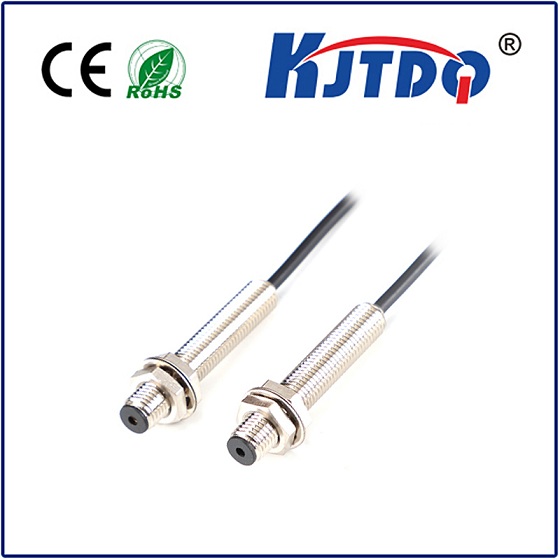
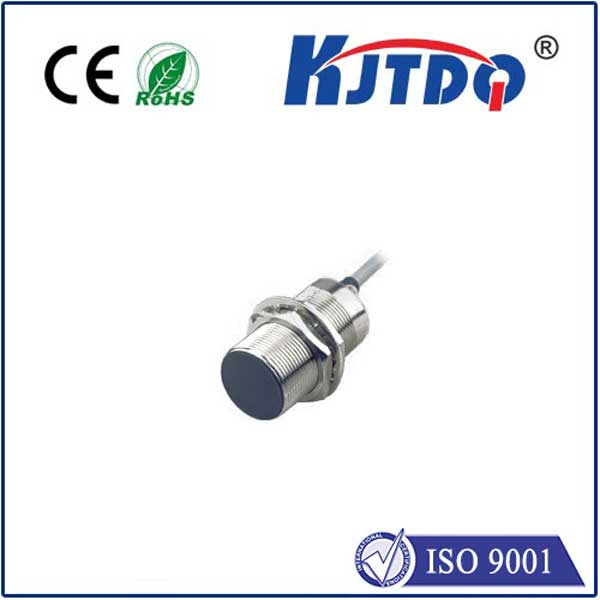
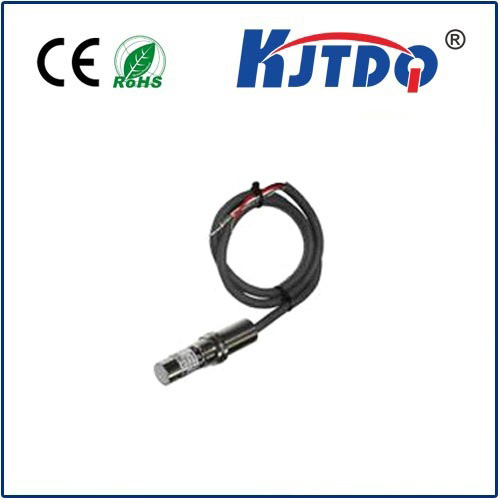
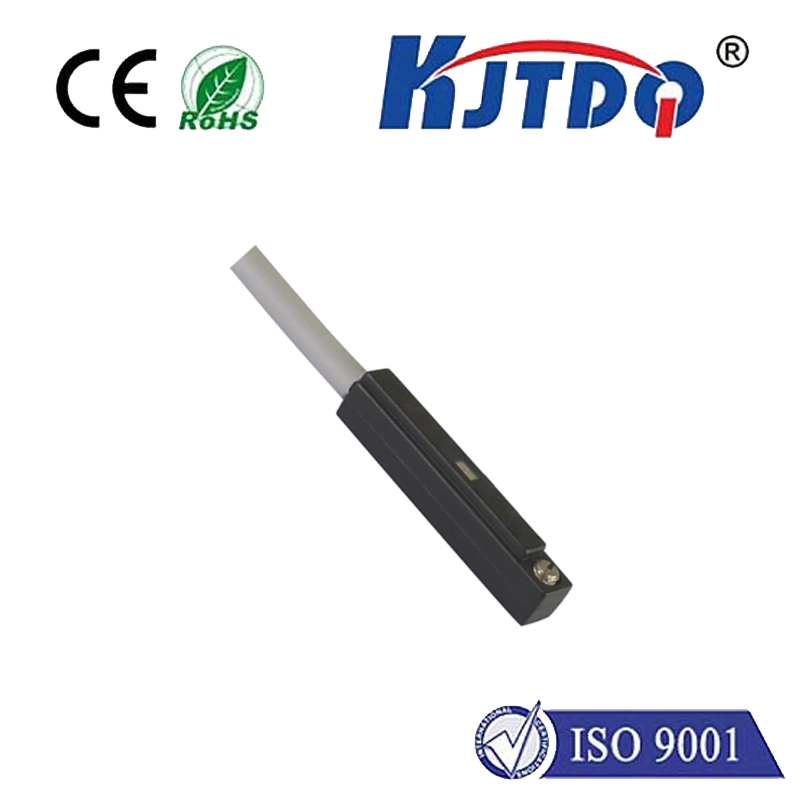
At their core, magnetic pickup sensors are non-contact devices that detect changes in magnetic fields. They convert mechanical motion—such as rotation, vibration, or proximity—into measurable electrical signals. This ability to “sense without touching” minimizes wear and tear, making them ideal for applications requiring durability and long-term reliability. A typical magnetic pickup sensor consists of a coil wrapped around a magnetized core. When a ferrous object (like a gear tooth or rotating shaft) moves near the sensor, it disrupts the magnetic field, inducing a voltage in the coil. This signal is then processed to determine speed, position, or presence—a principle leveraged across industries.
The versatility of magnetic pickup sensors lies in their adaptability. Below are some groundbreaking use cases:
Compared to optical or capacitive sensors, magnetic variants offer distinct advantages:
To maximize a magnetic pickup sensor’s effectiveness, engineers must address several factors:
As industries push toward smarter, interconnected systems, magnetic pickup sensors are evolving to meet new demands. Innovations include:
From assembly lines to renewable energy farms, magnetic pickup sensors continue to redefine what’s possible in product design. Their blend of reliability, precision, and adaptability ensures they’ll remain at the heart of technological progress. Whether you’re developing the next-generation EV or a cutting-edge IoT device, understanding these sensors is key to staying ahead in a competitive landscape.