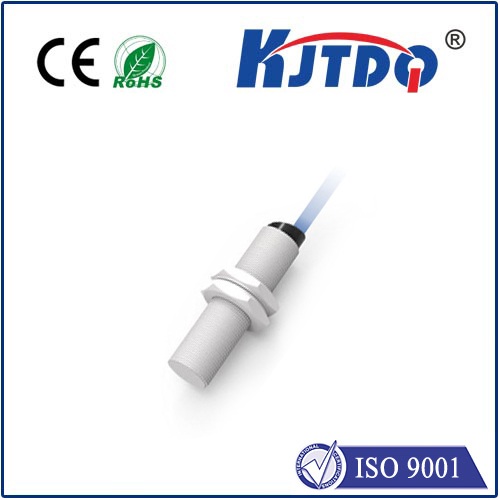
check

check

check

check

check

check
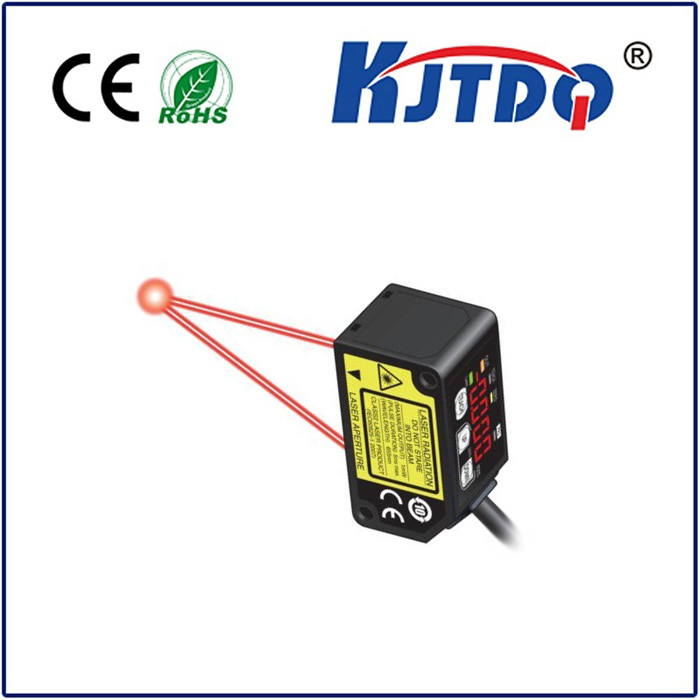
Laser Reflective Sensors: The Future of Precision Detection and Automation Imagine a world where machines can “see” with millimeter accuracy, where industrial robots avoid collisions in real time, and medical devices deliver pinpoint treatments. This isn’t science fiction—it’s the reality enabled by laser reflective sensors. These cutting-edge devices are transforming industries by combining speed, precision, and reliability into compact systems. From smart manufacturing to autonomous vehicles, laser reflective sensors are quietly powering the technologies that define modern innovation.
At their core, laser reflective sensors operate on a simple yet ingenious principle: emitting a laser beam and measuring the reflected light to determine an object’s presence, distance, or characteristics. The sensor’s transmitter projects a focused laser onto a target, while the receiver detects the reflected signal. By analyzing factors like light intensity, return time, or beam angle, these sensors calculate precise measurements. For instance, in time-of-flight (ToF) systems, the sensor measures how long it takes for the laser to bounce back, translating this into distance data. In triangulation-based sensors, the angle of the reflected beam changes based on the target’s position, enabling sub-millimeter accuracy. This versatility makes them ideal for applications demanding high resolution, such as quality control in semiconductor manufacturing or alignment in 3D printing.
While photoelectric or ultrasonic sensors have their uses, laser reflective sensors offer distinct advantages:
The future of laser reflective sensors is brimming with potential:
Despite their benefits, laser reflective sensors aren’t without limitations. Reflective surfaces like mirrors or polished metal can cause false readings, though solutions like diffuse-mode sensors (which measure scattered light) mitigate this. Additionally, extreme temperatures or dusty environments may require protective housings. Cost remains a barrier for small businesses, with high-end sensors exceeding $1,000 per unit. However, economies of scale and advancements in MEMS (micro-electromechanical systems) are steadily lowering prices.
From smart cities to precision agriculture, laser reflective sensors are redefining what’s possible in automation and measurement. As industries push for greater efficiency and accuracy, these sensors will continue to evolve—bridging the gap between human ingenuity and machine capability.