check
check
check
check
check
check
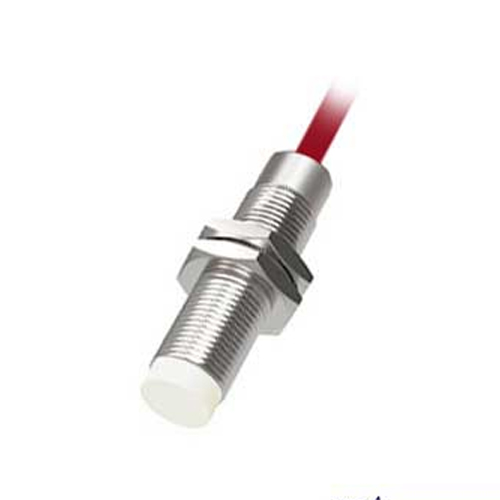
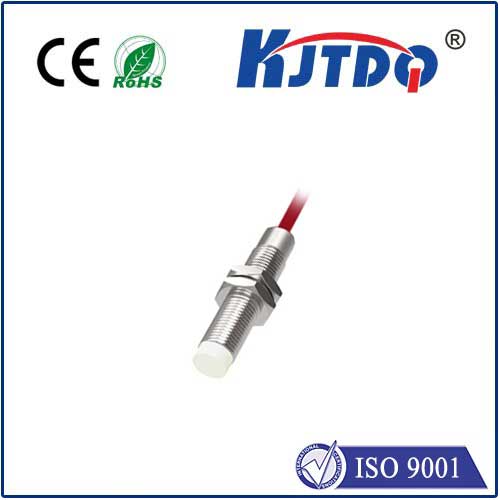
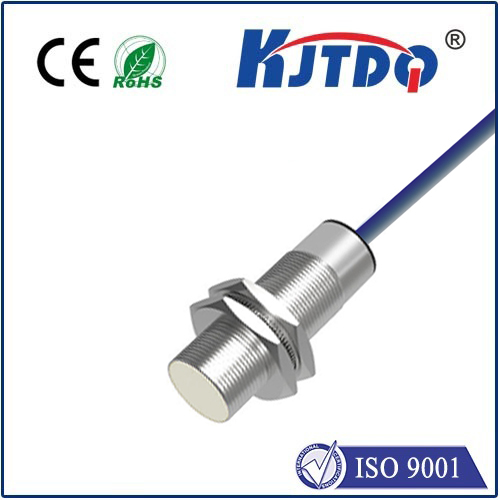
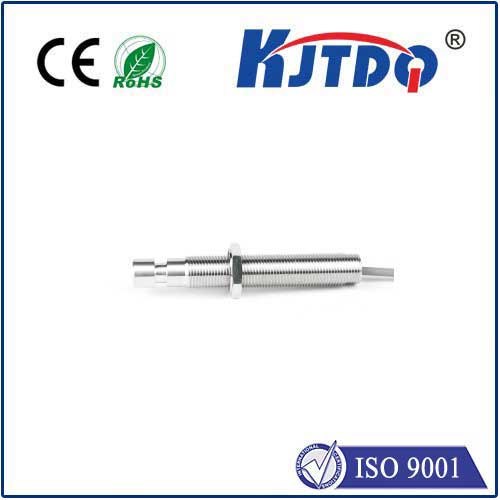
Unlocking Efficiency with the BES03HC Inductive Proximity Sensor: A Comprehensive Guide In today’s rapidly advancing industrial landscape, the need for reliable and efficient automation components has never been greater. Among these crucial components stands the BES03HC inductive proximity sensor, a testament to precision engineering designed to elevate your automation systems to unprecedented heights. This article delves into the intricacies of this remarkable sensor, exploring its features, applications, and the unparalleled advantages it offers to industries worldwide. Understanding the BES03HC Inductive Proximity Sensor At the heart of modern automation lies the ability to detect and respond to changes in environment without physical contact, and the BES03HC excels in this arena. Unlike traditional limit switches or contact-based sensors that wear out over time due to friction or mechanical fatigue, inductive sensors operate on the principle of electromagnetic fields. The BES03HC utilizes an oscillator circuit to generate a high-frequency electromagnetic field, which when interrupted by a metallic target, alters the resonant frequency of the oscillator, thereby triggering a signal. Key Features That Set It Apart