check

check

check

check

check

check

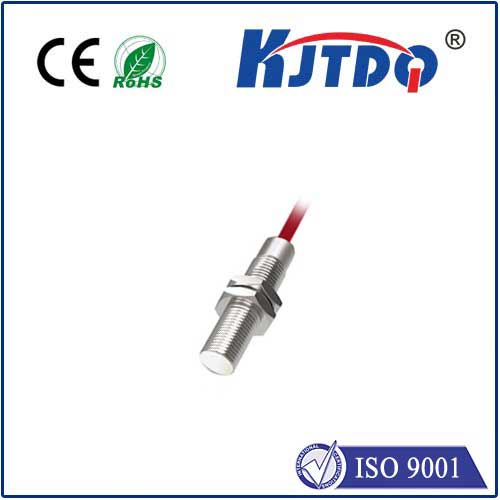
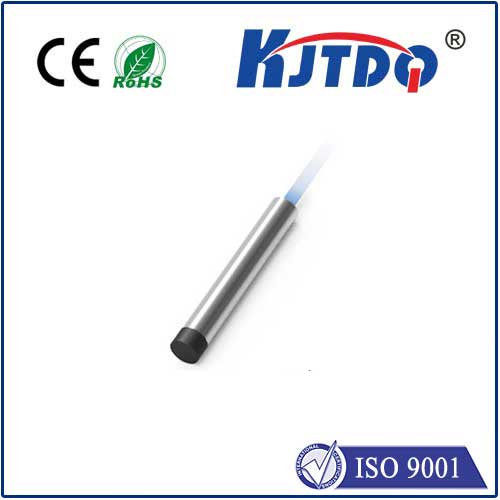
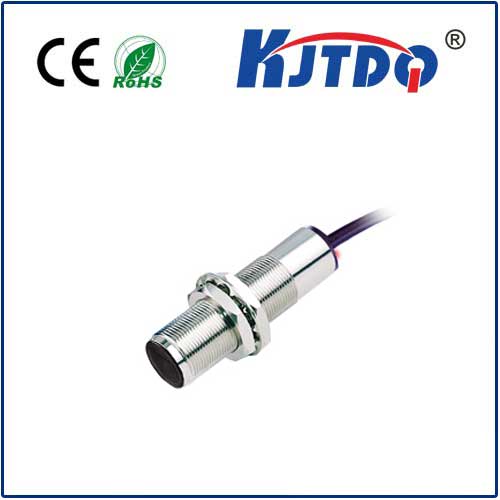
Title: Exploring the BES01KH Inductive Proximity Sensor: A Comprehensive Guide Introduction The world of automation and sensing technology is vast and ever-evolving, with new sensors being developed to meet the growing demand for precision and reliability. Among these innovations stands the BES01KH inductive proximity sensor, a device designed for non-contact detection of metallic objects and materials. This article aims to provide an in-depth look at what the BES01KH sensor is, how it works, and where it can be applied within various industries. Understanding the BES01KH Inductive Proximity Sensor The BES01KH inductive proximity sensor operates on the principles of electromagnetic induction. It consists of an oscillator circuit that produces a high-frequency electromagnetic field. When a conductive material, such as metal, comes into close proximity of this field, eddy currents are induced within the material, which in turn alters the impedance of the sensor’s oscillating circuit. The change in impedance is detected by the sensor electronics, triggering an output signal that indicates the presence or absence of a target. Key Features of the BES01KH Sensor The BES01KH offers several notable characteristics that make it a preferred choice for many applications: