

check

check

check

check

check

check

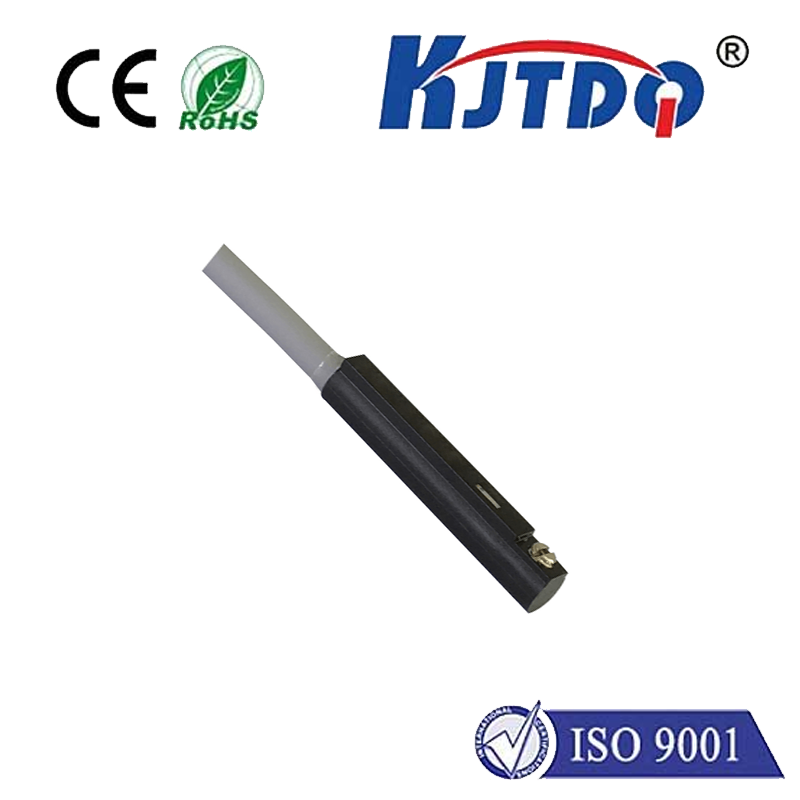
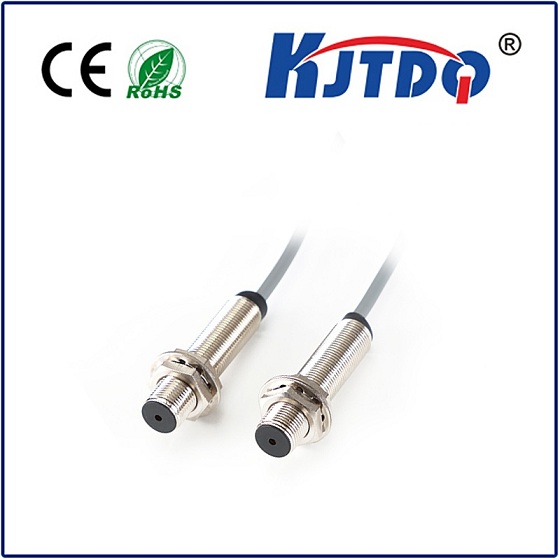
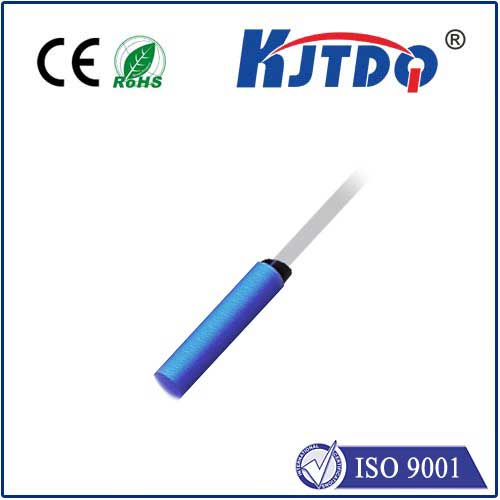
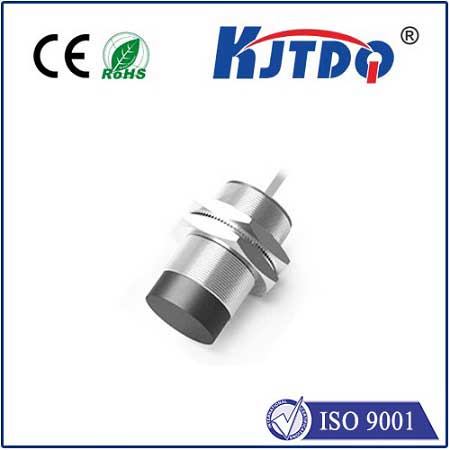
Exploring the BHS003A Inductive Proximity Sensor: A Comprehensive Guide In today’s rapidly evolving technological landscape, sensors play a pivotal role in various industries by converting physical parameters into measurable electrical signals. Among these, the BHS003A Inductive Proximity Sensor stands out as a reliable and efficient solution for detecting metallic objects without physical contact. This article dives deep into the features, applications, and benefits of the BHS003A sensor, providing a comprehensive understanding for both novices and experts alike. Understanding the BHS003A Inductive Proximity Sensor At its core, the BHS003A is an advanced electronic sensing device designed to detect the presence or absence of metal objects within a specific range, utilizing electromagnetic fields. Unlike capacitive sensors that rely on changes in capacitance, or optical sensors that depend on light reflection, the BHS003A operates based on inductive principles. When a conductive object enters the sensor’s detection field, it alters the oscillator circuit’s frequency, triggering an output signal. Key Features of the BHS003A