check

check

check

check
check
check
check
check

check

check

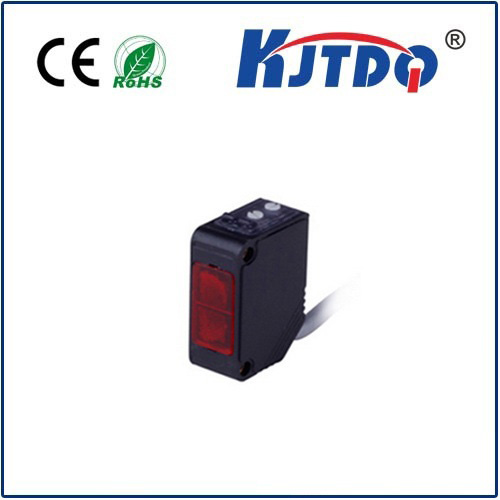
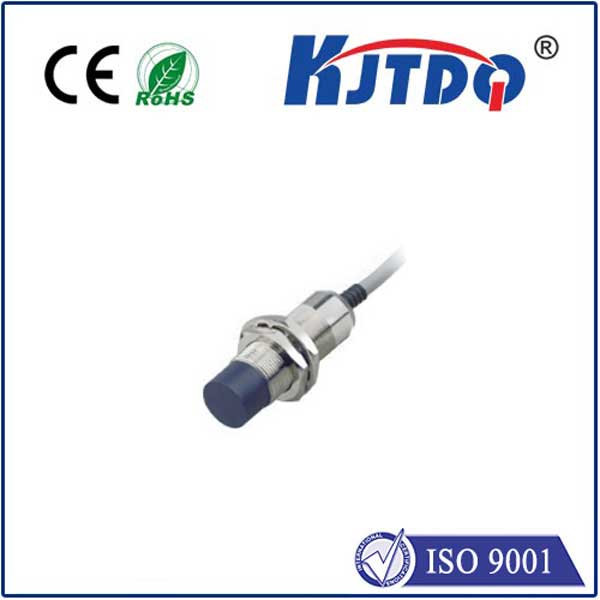
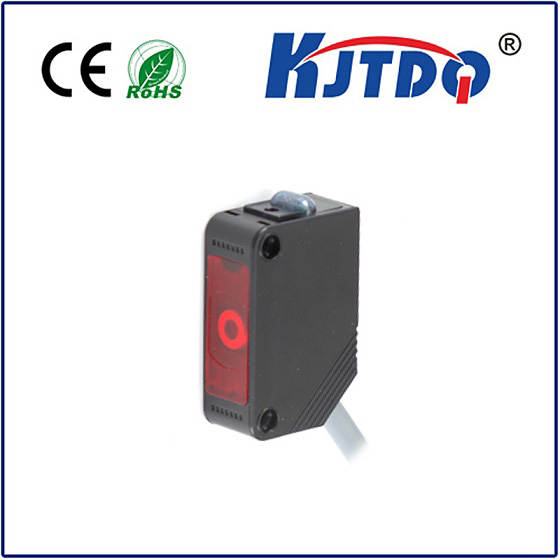
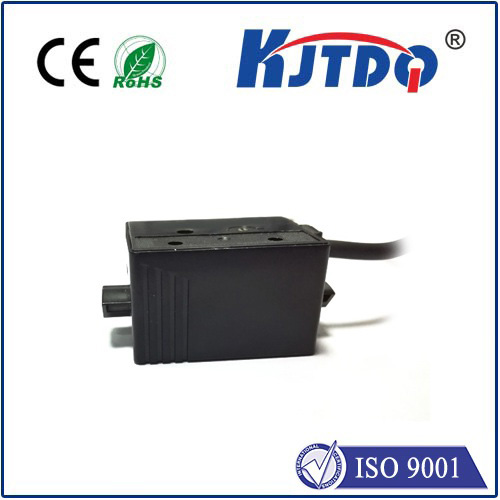
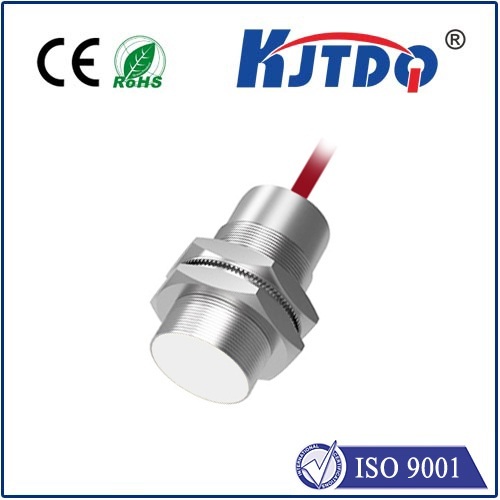
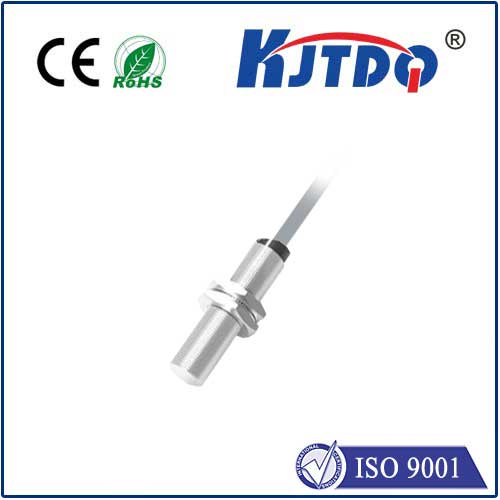
Understanding Proximity Sensors and Their Voltage Requirements Proximity sensors are essential components in a wide range of applications, from industrial automation to consumer electronics. These devices detect the presence or absence of an object within a certain distance without any physical contact. A critical aspect of their operation is the voltage requirement, which directly influences their performance and reliability. This article delves into the basics of proximity sensors and explains why understanding their voltage requirements is crucial. What are Proximity Sensors? Proximity sensors operate based on various principles such as capacitive, inductive, and optical technologies. Capacitive proximity sensors detect changes in capacitance when an object approaches, while inductive sensors rely on electromagnetic fields to sense metallic objects. Optical sensors use light to detect objects. Each type has its own advantages and specific applications, making them versatile tools for diverse industries. The Importance of Voltage Requirements Voltage is the driving force behind the functionality of proximity sensors. It determines the sensor’s sensitivity, range, and overall effectiveness. Different sensors require different voltage levels to operate correctly. For example: