check

check

check

check
check
check
check
check

check

check
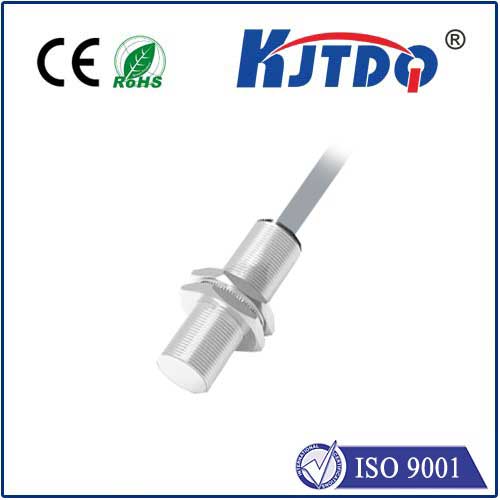
Title: The Essentials of NC Proximity Sensors in Automation Introduction In the realm of automation and modern technology, the non-contact (NC) proximity sensor plays a pivotal role. As industries strive to enhance efficiency, accuracy, and safety, understanding the functionality and applications of these devices becomes increasingly important. This article delves into the world of NC proximity sensors, exploring their working principles, types, benefits, and typical uses across various sectors. What Are NC Proximity Sensors? NC proximity sensors are electronic devices designed to detect the presence or absence of an object without physical contact. They operate based on various sensing technologies, such as capacitive, inductive, and magnetic field disturbance, allowing them to respond to metal objects, liquids, and even human body parts within a specified range. These sensors emit a field that, upon disturbance by a target object, triggers an output signal that can be used to control machinery or initiate processes. Types of NC Proximity Sensors There are several types of NC proximity sensors, each suited for specific applications: