check

check

check

check
check
check
check
check
check

check

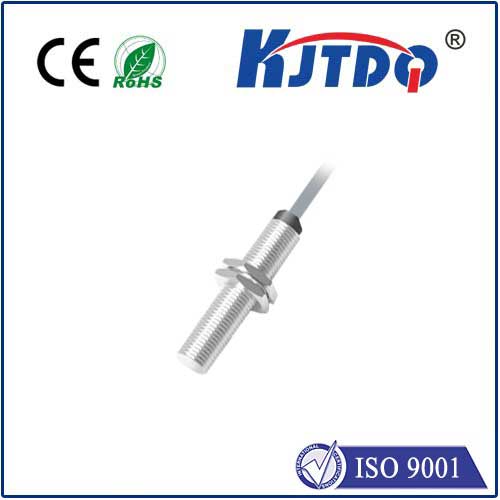
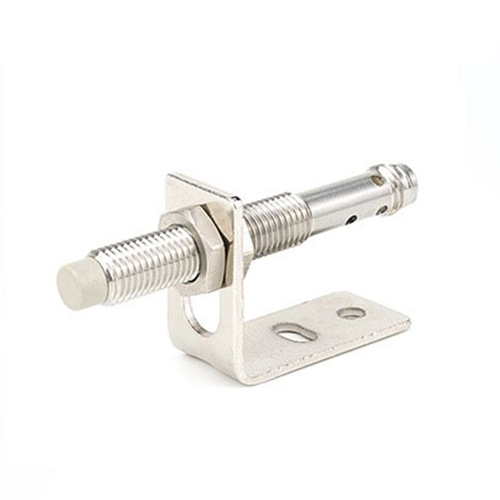
Unlocking the Potential of Inductive Sensors with PNP Technology: A Comprehensive Guide In the realm of automation and sensing technologies, inductive sensors have long been a staple due to their reliability, durability, and versatility. Among the various configurations available, the combination of an inductive sensor with a PNP output stands out for its unique advantages in certain applications. This article delves into the fundamentals of inductive sensors, explains what PNP output means, and explores why this pairing is advantageous for specific industrial needs. Understanding Inductive Sensors At its core, an inductive sensor operates on the principle of electromagnetic induction to detect the presence or absence of metallic objects without physical contact. It consists of a coil that generates an electromagnetic field when energized by an alternating current. When a conductive object enters this field, it disrupts the magnetic lines of force, causing a change in the sensor’s output voltage or current. This change is then interpreted by the sensor’s electronics to provide a binary output (on/off) indicating the presence or absence of the target. Demystifying PNP Output PNP refers to the type of transistor used within the sensor’s output circuitry. Unlike NPN transistors, which connect the collector to the positive supply and emit electrons from the emitter when activated, PNP transistors emit holes (positive charges) towards the negative supply terminal. In the context of sensors, a PNP output means that when the sensor detects its target, it pulls its output line high to the positive supply voltage. Conversely, in the absence of a target, the output remains low. The Advantages of Inductive Sensors with PNP Output