check

check

check
check
check
check
check
check

check

check
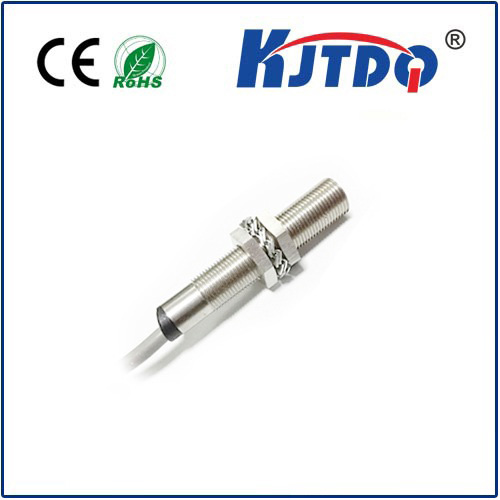
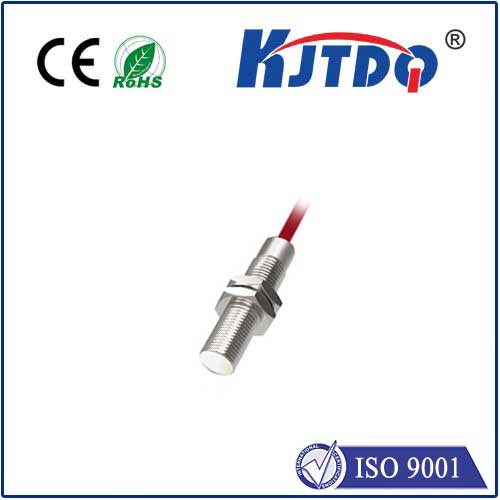
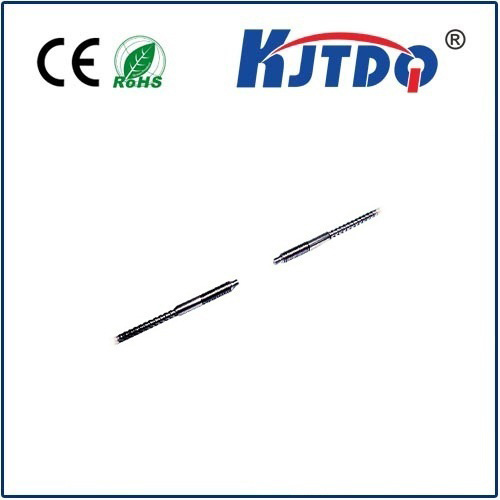
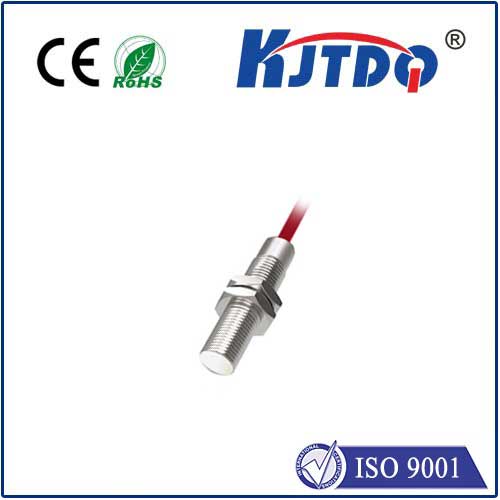
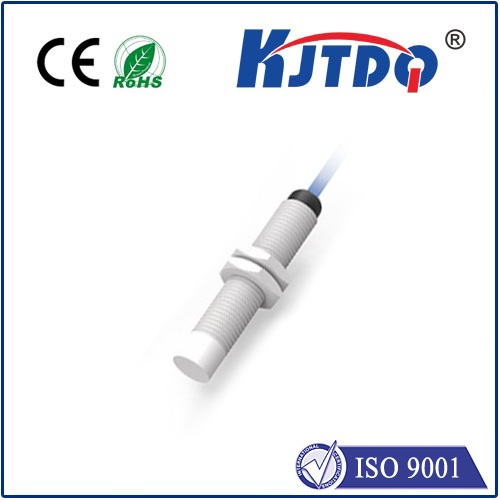
Understanding the Inductive Type Proximity Sensor In the realm of automation and sensor technology, the inductive type proximity sensor plays a crucial role. This device, known for its reliability and efficiency, operates on principles of electromagnetic induction to detect the presence or absence of metallic objects without physical contact. Its applications span across various industries, from manufacturing and automotive to robotics and beyond. How It Works At its core, an inductive proximity sensor consists of an oscillator circuit that generates an electromagnetic field. When a metal object enters this field, it induces eddy currents within the object, which in turn alters the impedance of the sensor’s oscillator circuit. This change is detected by the sensor and processed into an electrical signal, indicating the proximity or distance of the metallic target. Key Features