check

check

check

check
check
check
check
check
check

check
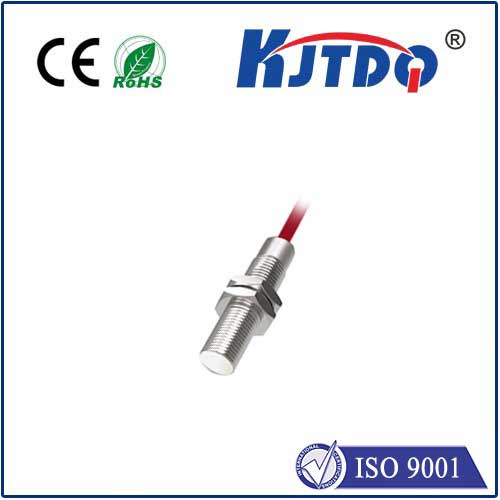
Title: Understanding Inductive and Capacitive Proximity Sensors: A Comprehensive Guide In the realm of automation and sensing technology, proximity sensors play a pivotal role. Among the myriad types available, inductive and capacitive proximity sensors stand out due to their widespread use and distinct operating principles. This article aims to elucidate the fundamental concepts, applications, and differences between these two prevalent types of proximity sensors, providing a clear understanding for engineers, technicians, and enthusiasts alike. Section 1: Demystifying Proximity Sensors Proximity sensors are non-contact devices designed to detect the presence or absence of an object within a certain range without physically touching it. They operate based on various principles such as electromagnetic fields, capacitance changes, or light reflection. Their ability to sense objects at varying distances makes them indispensable in numerous industries including manufacturing, automotive, aerospace, and more. Section 2: Inductive Proximity Sensors – How They Work Inductive proximity sensors rely on the principle of electromagnetic induction to detect metallic objects. They consist of an oscillator circuit that generates an electromagnetic field, usually through a coil or a wire loop. When a metallic object comes into proximity with this field, it causes a change in the oscillator’s frequency or amplitude due to eddy current losses. This change triggers an output signal indicating the presence of the metal target. Key Features: