check

check

check

check

check

check

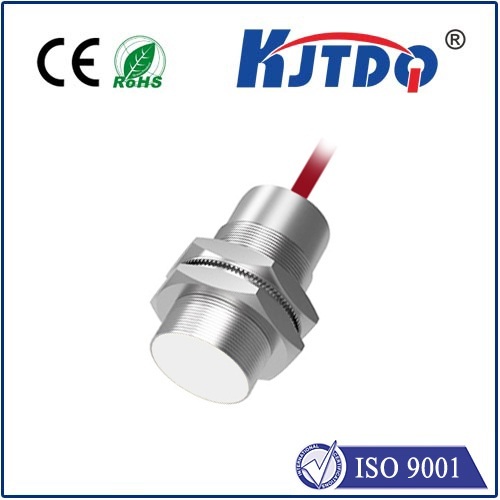
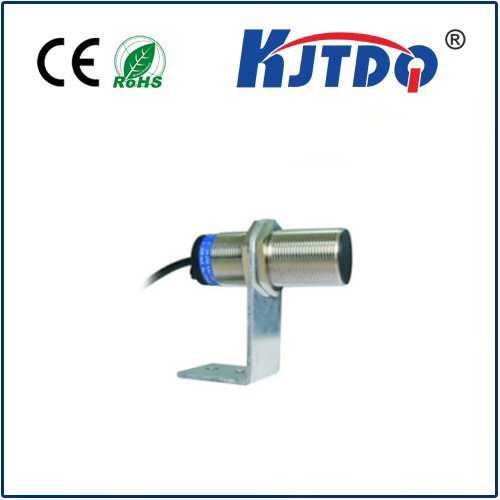
Unlocking Innovation: Exploring the World of 12v Proximity Sensors In an ever-evolving technological landscape, the demand for precise, reliable, and efficient sensing solutions has never been higher. Enter the 12V proximity sensor—a cornerstone component in various industries where accuracy and speed are paramount. In this article, we delve into the fascinating realm of 12V proximity sensors, exploring their design, functionality, and myriad applications. The Heartbeat of Modern Automation At its core, a proximity sensor is designed to detect the presence or absence of an object within a specified range without making physical contact. This non-contact detection is crucial in environments where touch could lead to contamination, wear and tear, or damage to fragile objects. The 12V proximity sensor stands out due to its compatibility with common control voltage levels, making it ideal for integration into diverse systems ranging from automotive manufacturing to robotics. How Do They Work? The magic behind these sensors lies in their ability to convert physical proximity into an electrical signal. A typical 12V proximity sensor operates based on one of several principles: