check

check

check

check

check

check
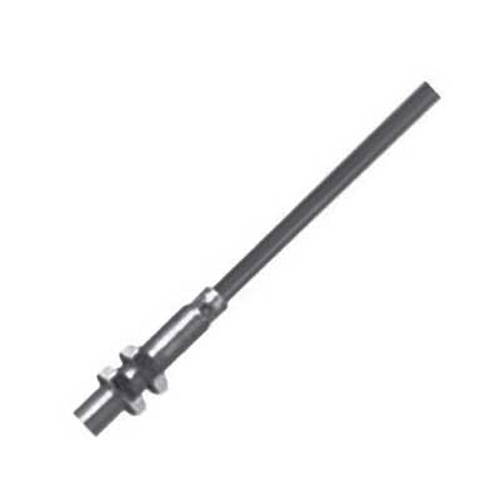
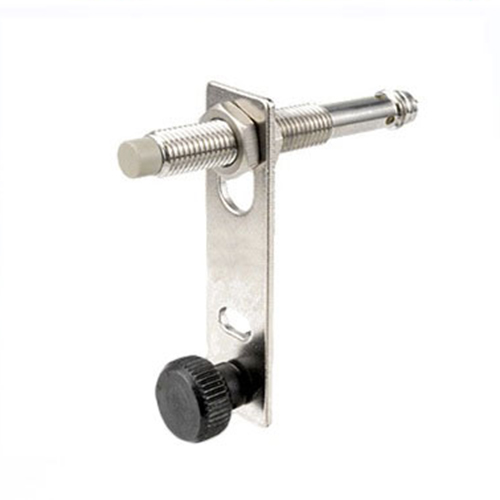
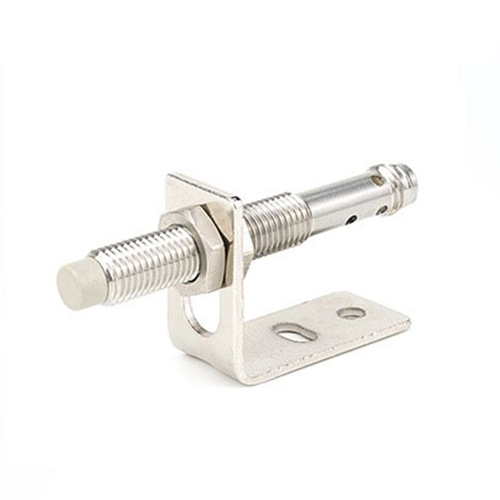
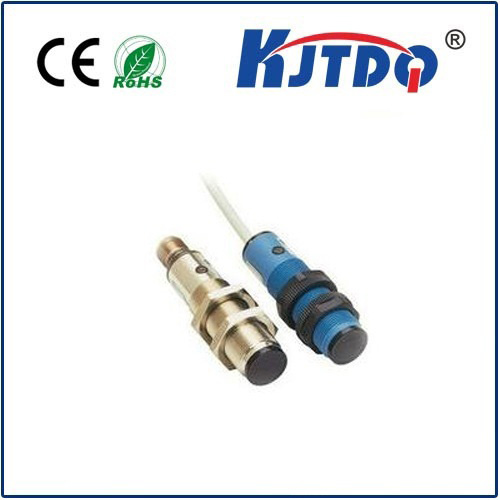
Title: Unveiling the Power of M12 Proximity Sensors: Revolutionizing Industrial Automation and Safety In the rapidly advancing realm of industrial automation, efficiency and safety are paramount considerations. Among the myriad of sensor technologies driving this progress, M12 proximity sensors stand out as versatile, robust, and reliable components. These compact yet powerful devices have been instrumental in transforming how machines operate within various industries, ensuring not only optimized performance but also enhanced worker protection. This article delves into the world of M12 proximity sensors, exploring their features, applications, and the value they bring to modern automation systems. Understanding M12 Proximity Sensors: A Primer M12 proximity sensors belong to a family of non-contact sensing devices that detect the presence or absence of an object without physically touching it. Named after their standardized mounting size (measuring 12mm in diameter), these sensors utilize advanced electromagnetic fields or optical principles to sense objects within a specified range. They come in two primary types: inductive sensors suited for metallic targets, and capacitive sensors capable of detecting dielectric substances like liquids, powders, or plastics. Key Features that Set M12 Sensors Apart Several characteristics make M12 proximity sensors particularly well-suited for demanding industrial environments: