check

check

check

check

check

check

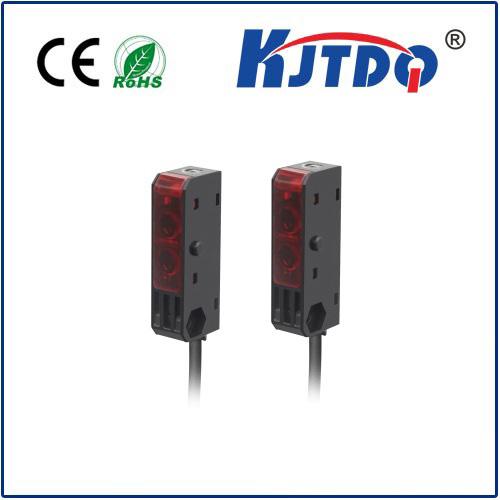
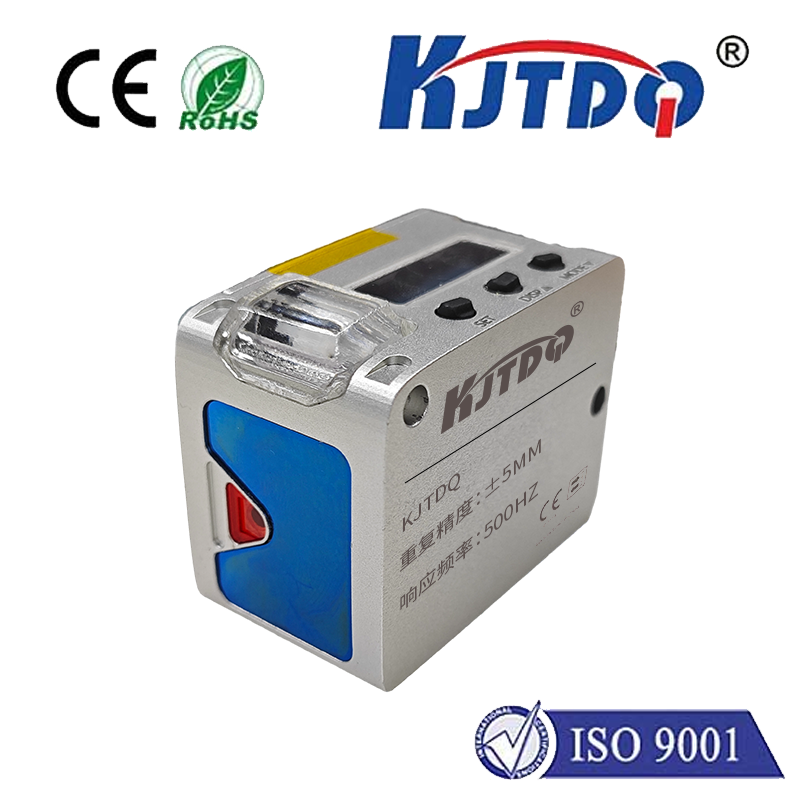
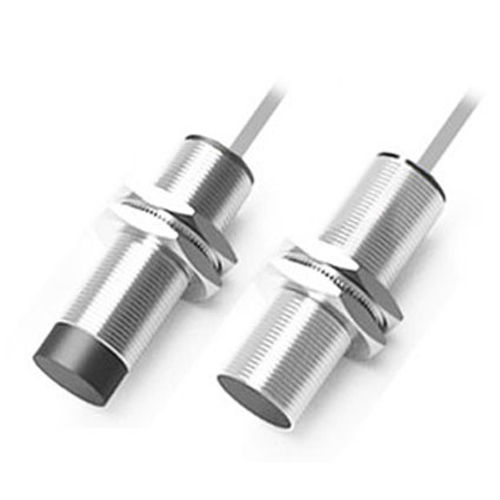
Title: Harnessing Innovation: The Role of IR Proximity Sensors in Modern Technology In today’s fast-evolving technological landscape, the demand for precision, efficiency, and automation has led to the development and integration of advanced sensor technologies into various industries. Among these innovative solutions, Infrared (IR) proximity sensors stand out due to their versatility, reliability, and ability to enhance the functionality of electronic devices. This article delves into the world of IR proximity sensors, exploring their principles, applications, and the transformative impact they have on modern technology. Understanding IR Proximity Sensors At its core, an IR proximity sensor operates based on the principle of infrared light emission and detection. These sensors emit a beam of IR light that, when interrupted by an object or surface within its range, reflects back and is detected by the sensor’s receiver. The interruption of the light beam triggers an output signal, typically in the form of a digital switch (high or low), which can then be used to control various functions within a system. The distance at which the sensor can detect objects varies depending on its design and sensitivity settings, making them suitable for a wide range of applications. Applications Across Industries The adaptability and precision of IR proximity sensors make them invaluable across numerous sectors: