check

check

check

check

check

check

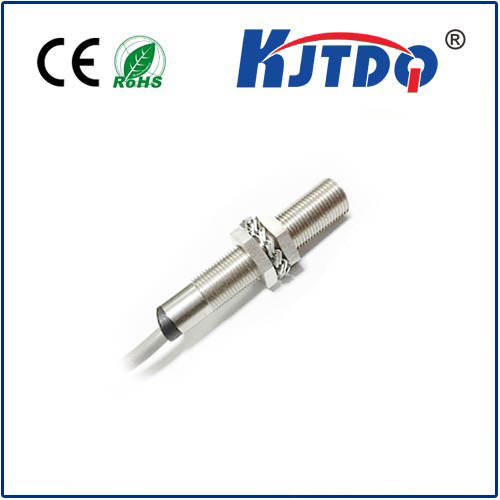
The Non-Mercury Tilt Switch: A Safer Alternative for Motion Detection In the ever-evolving landscape of technology and safety regulations, innovative solutions continue to emerge, aiming to replace outdated and potentially hazardous components. One such advancement is the non-mercury tilt switch, a crucial component in motion detection systems across various industries. This article delves into the significance, features, and applications of the non-mercury tilt switch, highlighting its role as a safe and reliable alternative to traditional mercury-based counterparts. The Need for Change: Mercury in Tilt Switches Historically, tilt switches have been widely used for detecting changes in orientation or movement within electronic devices. These switches typically utilize mercury, a highly conductive metal that ensures precise operation. However, mercury is also notoriously toxic and poses significant environmental and health risks. Its use has led to stringent regulations worldwide, driving manufacturers and engineers to seek safer alternatives without compromising functionality. Introducing the Non-Mercury Tilt Switch (20-59-NM-25) Enter the 20-59-NM-25 – a state-of-the-art non-mercury tilt switch designed to meet the demands of modern safety standards while maintaining high performance characteristics. Unlike its mercury-laden predecessors, this switch employs advanced technology, ensuring reliable motion detection without any harmful substances. Let’s explore some key features that make the 20-59-NM-25 stand out: