check

check

check

check

check

check

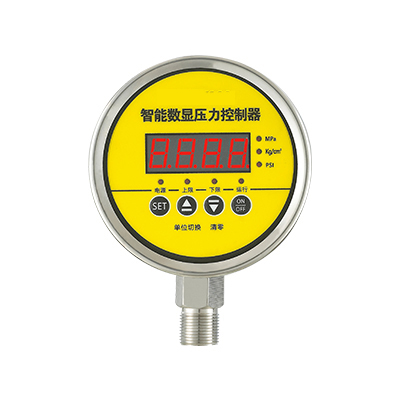
Title: Understanding the Switch Pressure Sensor: An In-depth Guide Introduction The switch pressure sensor is an essential component in various industrial and automotive applications. It plays a crucial role in monitoring and controlling pressure levels within systems, ensuring their optimal performance and safety. This article aims to provide a comprehensive understanding of switch pressure sensors, including their working principle, types, applications, and benefits. Working Principle of Switch Pressure Sensors Switch pressure sensors operate based on the principle of measuring the pressure difference between two points in a system. They consist of a diaphragm that moves in response to changes in pressure. As the diaphragm moves, it activates or deactivates an electrical switch, sending a signal to indicate the pressure level. There are two main types of switch pressure sensors: mechanical and electronic. Mechanical switch pressure sensors use a spring-loaded diaphragm that moves in response to pressure changes, while electronic switch pressure sensors use a piezoelectric material that generates an electrical charge when subjected to pressure. Types of Switch Pressure Sensors There are several types of switch pressure sensors available on the market today, each designed for specific applications and requirements. Some common types include: