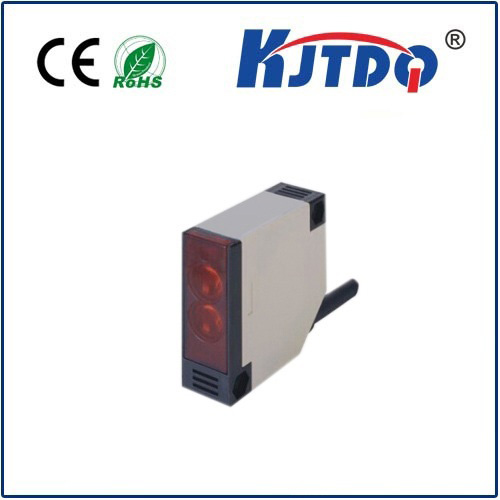
check

check

check

check

check

check

Title: Unveiling the Mysteries of Belt Speed Sensors Section 1: Introduction to Belt Speed Sensors A belt speed sensor is an essential component in various industrial and automotive applications. It is a device that monitors the speed of a moving belt, conveyor, or drive system. This information is critical for optimizing performance, ensuring safety, and preventing mechanical failures. In this article, we will delve into the workings, applications, benefits, and advancements of belt speed sensors. Section 2: How Does a Belt Speed Sensor Work? Belt speed sensors operate based on the principle of detecting the linear velocity of a belt using electronic or magnetic methods. These sensors consist of two main parts: a transmitter and a receiver. The transmitter emits a signal, such as a laser beam or magnetic field, onto the moving belt, while the receiver captures the reflected signal after it bounces back from the belt’s surface. By analyzing the time delay between the transmission and reception of the signal, the belt speed sensor can accurately measure the belt’s speed. Section 3: Applications of Belt Speed Sensors Belt speed sensors find their use in a wide range of industries, including manufacturing, mining, agriculture, and transportation. Some common applications include: