check

check

check

check

check

check

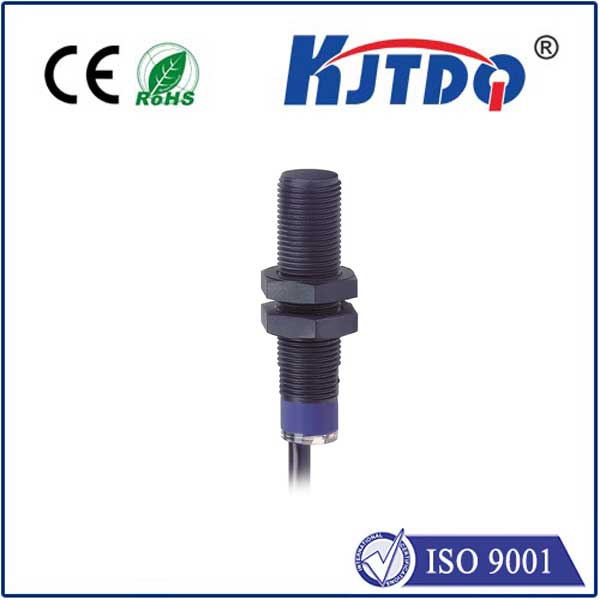
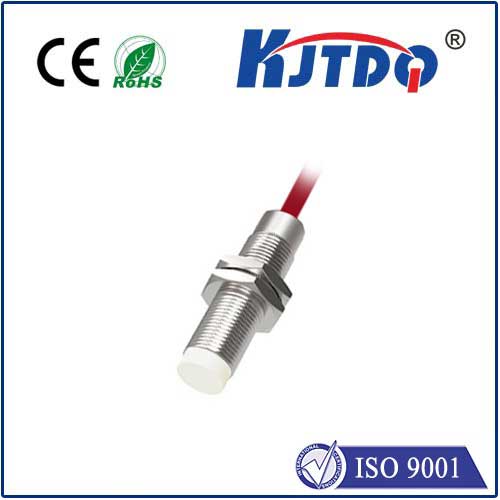
Magnetic Pickup Speed Sensor: The Ultimate Guide to Precise Speed Measurement In the world of mechanical systems and industrial automation, precise speed measurement is crucial for ensuring optimal performance and efficiency. One of the most reliable and widely used tools for this purpose is the magnetic pickup speed sensor. In this article, we will explore what a magnetic pickup speed sensor is, how it works, its applications, and why it’s considered the ultimate solution for accurate speed measurement. What is a Magnetic Pickup Speed Sensor? A magnetic pickup speed sensor is an electromagnetic device that detects the presence of a rotating shaft or disk with teeth or any other form of pattern on its surface. The sensor generates an electrical signal proportional to the speed at which the target is moving. This signal can be used to measure the speed of the target accurately. How Does a Magnetic Pickup Speed Sensor Work? The basic working principle of a magnetic pickup speed sensor involves generating an alternating current (AC) voltage when the target passes by the sensor head. As the target moves closer to the sensor head, the strength of the magnetic field increases, causing the coil inside the sensor to induce an AC voltage. When the target moves away from the sensor head, the magnetic field weakens, causing the induced voltage to decrease. By measuring the frequency of this AC voltage, we can determine the speed of the target. The higher the frequency, the faster the target is moving. This makes magnetic pickup speed sensors extremely accurate and reliable for measuring rotational speed. Applications of Magnetic Pickup Speed Sensors Magnetic pickup speed sensors have a wide range of applications in various industries, including automotive, aerospace, manufacturing, and energy production. Some common applications include: