check

check

check

check

check

check

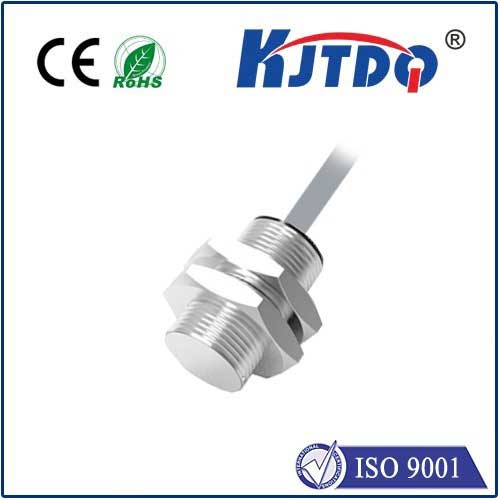
Title: Understanding the Inductive Type Proximity Switch and Its Applications Introduction In the world of automation and sensing technology, the inductive type proximity switch stands out as a versatile and reliable component. This device is widely used in various industries to detect the presence of metallic objects without any physical contact. In this article, we will explore what an inductive type proximity switch is, how it works, and its applications across different sectors. What is an Inductive Type Proximity Switch? An inductive type proximity switch, also known as an inductive sensor or proximity sensor, is a device that uses electromagnetic fields to detect the presence of metal objects. It consists of a coil that generates a magnetic field when an alternating current passes through it. When a metal object comes close to the sensor, it disrupts the magnetic field, and the change is detected by the sensor’s electronic circuitry. This triggers a switching action, which can be used to control machinery, count items, or provide binary output signals. Working Principle The working principle of an inductive type proximity switch involves generating a high-frequency alternating electromagnetic field using a coil. When a conductive material, such as a metal object, enters the field, it induces eddy currents within the material. These currents generate their magnetic field that opposes the original one created by the coil. This opposition reduces the overall magnetic field strength detected by the sensor. The sensor’s electronic circuitry then processes this information and converts it into a binary signal, indicating whether the target material is present or not. Advantages of Inductive Type Proximity Switches