check

check

check

check

check

check

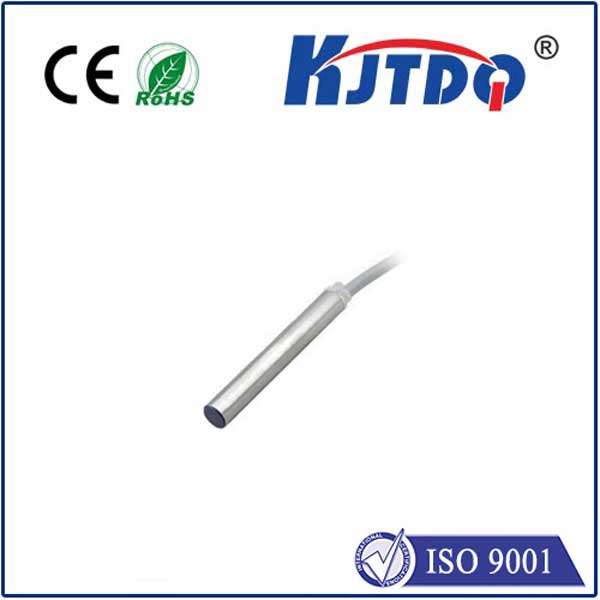
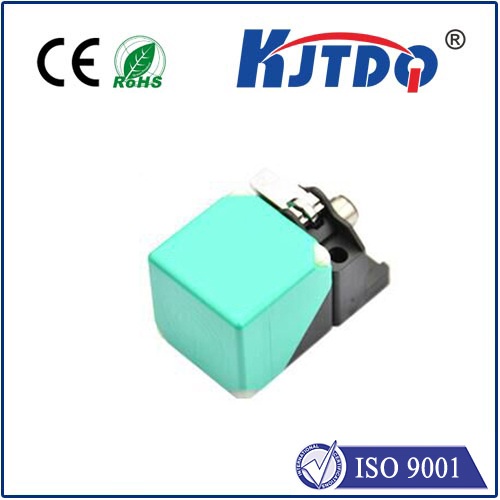
Introduction: Magnetic inductive sensors, also known as MIS, are a type of proximity sensor that use electromagnetic fields to detect the presence of metal objects. They have become increasingly popular in various industries due to their high accuracy, reliability, and versatility. In this article, we will explore how magnetic inductive sensors work, their applications, advantages, and potential future developments. How do Magnetic Inductive Sensors Work? Magnetic inductive sensors consist of two main components: a coil and a magnet control. The coil is wound around a ferrite core, and when an alternating current passes through it, it generates a magnetic field. This magnetic field interacts with the magnetic material near the sensor, causing eddy currents to flow within the material. These eddy currents produce a secondary magnetic field that opposes the original one. As a result, the induced voltage in the coil changes depending on the distance between the sensor and the target material. By measuring this change in voltage, the sensor can determine the position or movement of the target object. Applications of Magnetic Inductive Sensors: Magnetic inductive sensors have a wide range of applications across different sectors. Some common examples include: