check

check

check

check

check

check
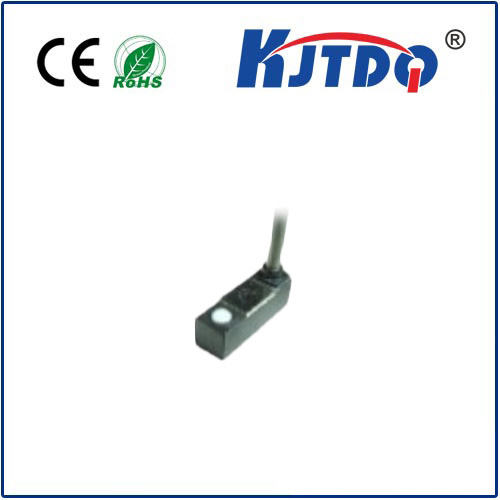
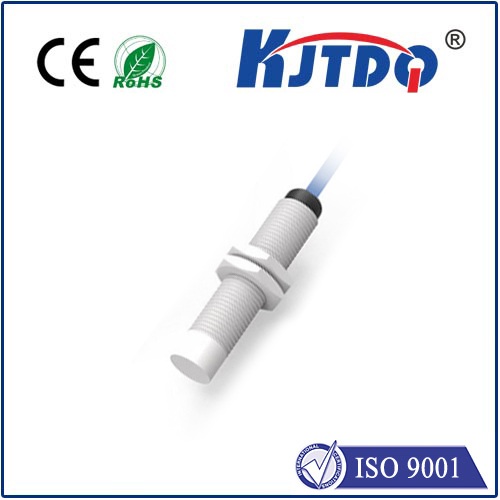
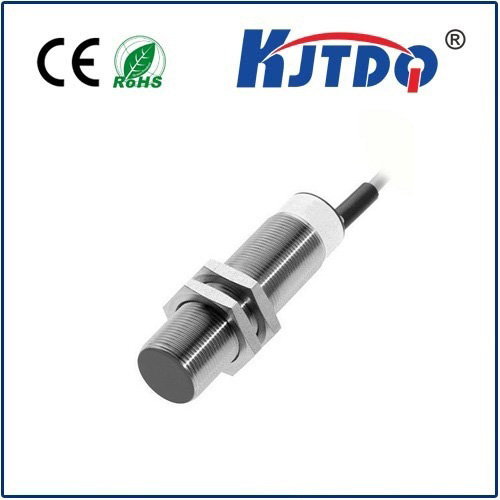
Title: The Intricacies of Inductive Sensors and Their Applications Introduction In the realm of modern technology, sensors play a pivotal role in a multitude of applications that range from industrial automation to consumer electronics. Among these, inductive sensors stand out for their versatility and reliability. They have become indispensable tools that enhance the efficiency and safety of various systems. This article delves into the world of inductive sensors, exploring their inner workings, benefits, and the broad spectrum of applications they serve. What are Inductive Sensors? Inductive sensors, also known as proximity sensors, are devices that detect the presence of metallic objects without making physical contact. They operate based on electromagnetic fields; an electric current passes through a coil, generating a magnetic field. When a metal object comes close to this field, it causes a change in the inductance of the coil, which is then detected by the sensor’s electronics. This alteration triggers an output signal, indicating the presence of the object. Types of Inductive Sensors There are two main types of inductive sensors: