check

check

check

check

check

check
In the intricate world of automation and smart device design, space is often at a premium. Engineers and developers constantly seek components that deliver high performance without occupying valuable real estate on a PCB or within an enclosure. This is where the square proximity sensor, a specific and highly efficient category of non-contact detection devices, comes into play. Unlike their cylindrical counterparts, these sensors offer a unique set of advantages tailored for modern, compact applications.
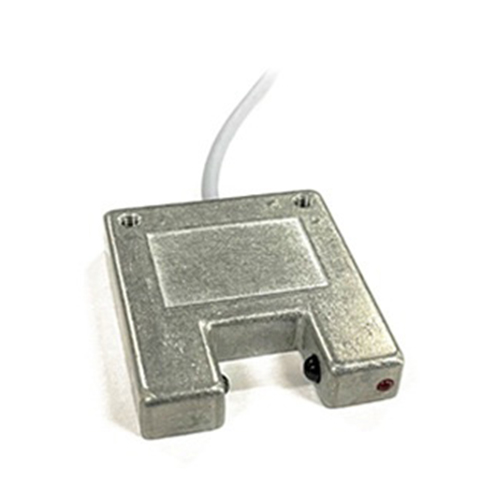
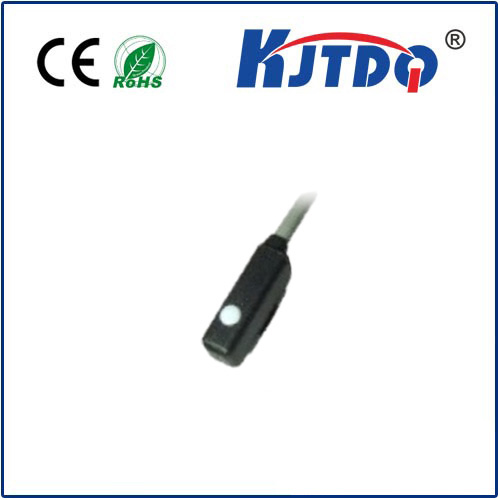
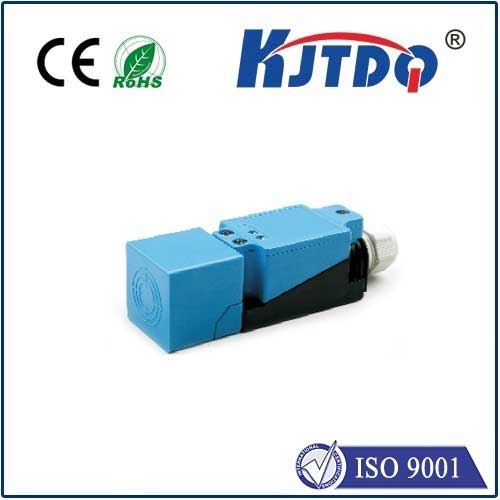
The defining characteristic of a square proximity sensor is its form factor. The rectangular housing allows for a more efficient layout on circuit boards, enabling tighter packing of components. This is crucial in consumer electronics like smartphones and tablets, where every millimeter counts. The flat sides also facilitate easier mounting and alignment in assemblies, often requiring simpler brackets or direct adhesive installation. The sensing face, typically on one of the larger flat surfaces, provides a consistent detection field ideal for applications where the target approaches from a specific, planar direction.
Functionally, these sensors operate on the same core principles as other inductive or capacitive proximity sensors. Inductive square sensors generate an electromagnetic field to detect the presence of metallic objects, making them indispensable in industrial automation for tasks like counting metal parts, verifying machine arm positions, or triggering actions on assembly lines. Their square shape can be advantageous for detecting flat or wide metallic surfaces. Capacitive square sensors, on the other hand, can detect both metallic and non-metallic materials, including liquids, plastics, and even human skin. This versatility powers touch-sensitive interfaces, liquid level detection in compact tanks, and material presence verification in packaging equipment.
The integration of a square proximity sensor into a system brings numerous benefits. Reliability is paramount; these solid-state devices have no moving parts, leading to long operational life and minimal maintenance. They are not affected by wear and tear from physical contact, as they sense objects from a distance. Speed is another key advantage, capable of detecting objects at incredibly high frequencies, which is essential for fast-paced production environments. Furthermore, their output is a clean, digital signal that can be easily interfaced with programmable logic controllers (PLCs), microcontrollers, or other digital circuits, simplifying system design.
Real-world applications are vast and growing. In the automotive industry, they are used within confined spaces for gear position sensing or seat belt buckle detection. In home appliances, a square capacitive sensor might be hidden behind a plastic panel to create a sleek, seamless touch control surface for ovens or washing machines. Within vending machines, they verify coin insertion or product dispensing. In industrial settings, their robust build, often with IP67 or higher ratings for dust and water resistance, allows them to function reliably in harsh conditions, monitoring conveyor belts or robotic pick-and-place units.
Selecting the right square proximity sensor requires careful consideration of several parameters. The sensing range, though typically shorter than some larger cylindrical models, must be sufficient for the application. The type of output (e.g., NPN, PNP, analog) must be compatible with the control system. The supply voltage, environmental temperature range, and housing material (often PBT plastic or stainless steel for the face) are also critical factors. Proper installation is equally important; ensuring the sensor is mounted securely without misalignment and that the surrounding environment is free from excessive electrical noise or other sensors that might cause interference is crucial for optimal performance.
As technology advances, square proximity sensors are becoming smarter and more integrated. Some now feature IO-Link connectivity, allowing for parameter adjustment, condition monitoring, and diagnostic data readout directly from the sensor, paving the way for predictive maintenance and Industry 4.0 applications. Their compact, space-saving design, combined with unwavering reliability, ensures that the square proximity sensor will remain a fundamental component in the toolkit of engineers designing the automated and interactive systems of today and tomorrow. It is a silent enabler, providing the essential "eyes" for machines in spaces where traditional sensors simply cannot fit.