check

check

check

check

check

check
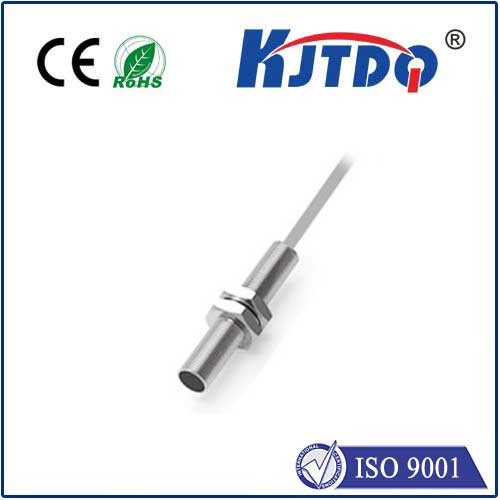
In the intricate dance of modern manufacturing and automation, countless components perform their roles with silent precision. Among these, one technology stands out as a fundamental enabler of efficiency, safety, and intelligence: the automation proximity sensor. This unassuming device, often no larger than a coin, is the critical "eye" and "touch" of automated systems, detecting the presence, absence, or position of objects without any physical contact. Its evolution and application represent a quiet revolution on the factory floor and beyond.
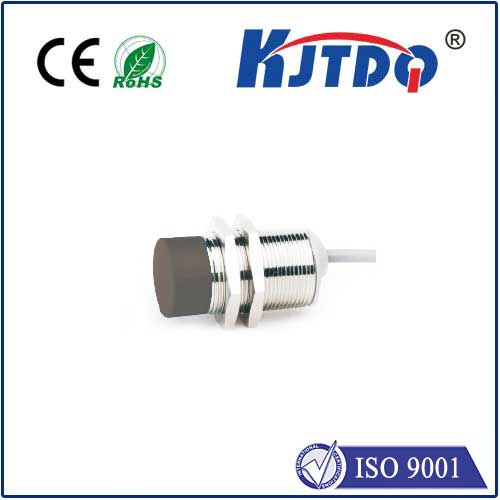
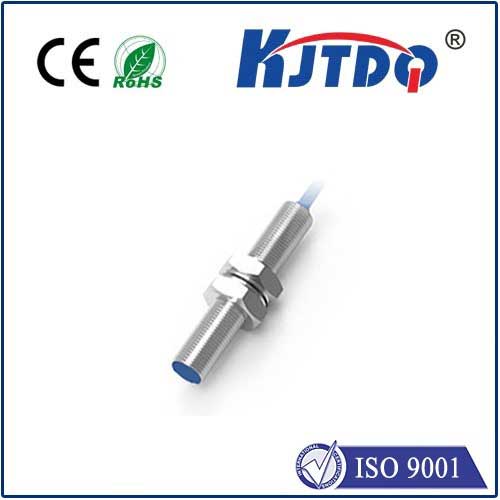
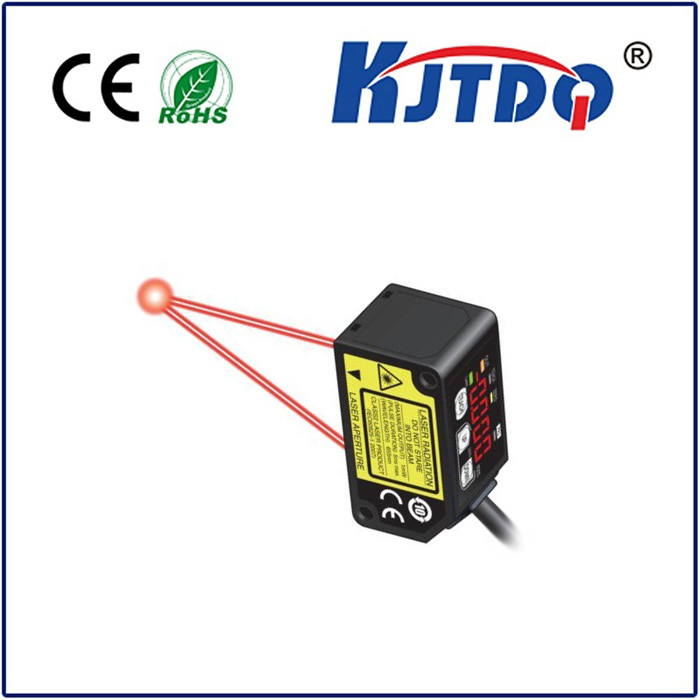
The core principle behind an automation proximity sensor is elegantly simple. It emits an electromagnetic field or a beam of radiation, such as infrared light, and looks for changes in the field or return signal. The most common types include inductive sensors for detecting metals, capacitive sensors for a wider range of materials including liquids, and photoelectric sensors using light beams. When a target object enters the sensor's detection range, it disturbs this field. The sensor's internal circuitry detects this disturbance and triggers an electronic switch. This instantaneous, non-contact detection is what makes it indispensable. There is no wear and tear from mechanical contact, leading to exceptional longevity and reliability in harsh industrial environments filled with dust, moisture, and vibration.
The applications are as diverse as industry itself. On a high-speed packaging line, photoelectric sensors count bottles, ensuring each box is filled correctly. In automotive assembly, inductive sensors verify the precise positioning of robotic arms as they weld chassis components, guaranteeing millimeter-perfect accuracy. Capacitive sensors monitor fluid levels in tanks, preventing overflows or dry runs. Perhaps most crucially, they form the backbone of safety systems. Light curtains, composed of arrays of photoelectric sensors, create invisible barriers around dangerous machinery, instantly halting operation if a worker breaches the zone, preventing catastrophic accidents.
The integration of these sensors with the Industrial Internet of Things (IIoT) is unlocking a new tier of value. Modern automation proximity sensors are no longer simple binary switches. They are becoming intelligent data points on the network. Sensors equipped with IO-Link or similar communication protocols can transmit not just a "present/absent" signal, but also diagnostic data about their own health, operating temperature, and signal strength. This predictive maintenance capability allows engineers to address potential failures before they cause downtime, transforming maintenance schedules from periodic guesses to data-driven decisions. This flow of granular data also provides unparalleled visibility into production processes, enabling continuous optimization for leaner manufacturing.
Selecting the right automation proximity sensor requires careful consideration of several factors. The material of the target object is paramount—inductive for metals, capacitive for non-metals. The required sensing distance, environmental conditions (temperature, potential washdowns), and the required output type (digital or analog) all dictate the ideal model. Furthermore, form factor is increasingly important in miniaturized equipment. The ongoing trend is toward sensors that are smaller, yet more robust and feature-rich, with enhanced noise immunity and embedded smart functions.
Looking ahead, the role of the automation proximity sensor will only deepen. As collaborative robots (cobots) work side-by-side with humans, advanced sensors with higher resolution and faster response times will be essential for safe and fluid interaction. The demand for flexibility in production will drive the adoption of sensors that can be quickly reconfigured via software for different tasks. In essence, these devices are the fundamental sensory organs of the smart factory. They provide the raw data that allows complex systems to perceive their environment, make decisions, and execute actions with superhuman consistency.
From ensuring the simple count of widgets on a conveyor to enabling the complex ballet of a fully automated assembly cell, the automation proximity sensor is a testament to how a focused technological innovation can have an outsized impact. It operates unseen, often unheralded, but its contribution to productivity, quality control, and workplace safety is immeasurable. As automation continues to permeate every sector, this reliable sentinel will remain at the forefront, silently enabling the next wave of industrial advancement.