check

check

check

check

check

check
In the rapidly evolving landscape of industrial automation, precision, reliability, and immediate feedback are paramount. The integration of an LED indicator into inductive proximity sensors represents a significant leap forward in meeting these demands. Unlike standard sensors, an inductive sensor with an LED indicator provides instant visual confirmation of its operational status, fundamentally transforming maintenance workflows and system diagnostics on the factory floor.
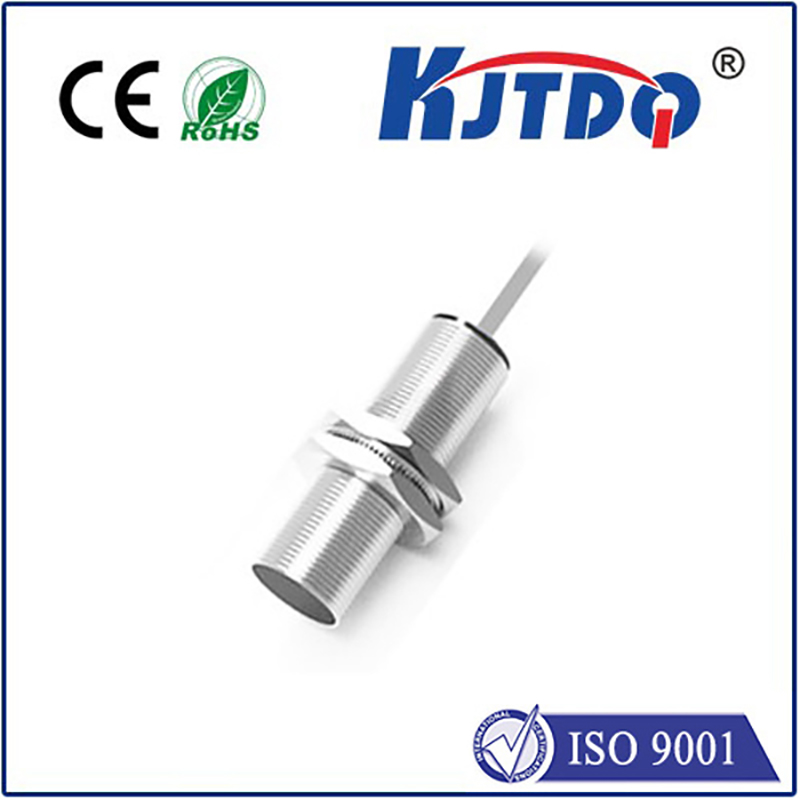
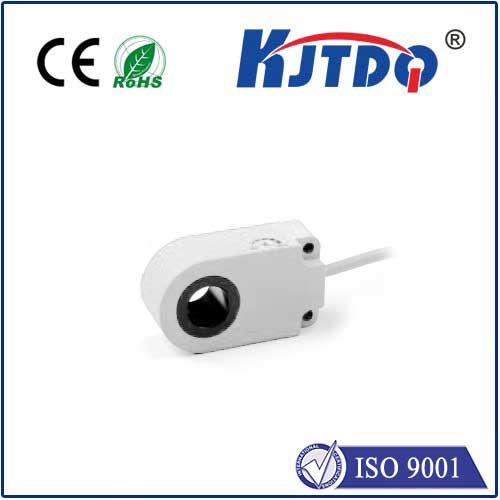
At its core, an inductive proximity sensor detects the presence or absence of metallic objects without physical contact. It operates by generating an electromagnetic field. When a metal target enters this field, it causes a change in the oscillation amplitude, which the sensor detects and converts into a switching signal. The addition of a bright, multi-status LED indicator—often showing green for power-on/ready and yellow or red for object detection or fault conditions—adds a crucial layer of human-machine interface. This visual cue allows technicians and operators to instantly verify if the sensor is powered, functioning correctly, and actively detecting targets from a distance, even in noisy or complex environments.
The practical benefits for industrial applications are substantial. First, it drastically reduces downtime. Imagine a complex conveyor system with dozens of sensors. A malfunction in one can halt the entire line. With traditional sensors, a technician might need to use a multimeter or a diagnostic tool to check each unit. An inductive sensor with a clear LED indicator allows for rapid, at-a-glance health checks. A lit LED confirms power supply, while its color or blinking pattern can signal detection activity or error states, enabling pinpoint troubleshooting within seconds.
Secondly, it enhances installation and alignment accuracy. During the setup of machinery, precise sensor positioning is critical. The LED provides real-time feedback as a target object is moved into the sensing range. Installers can fine-tune the position until the detection LED activates reliably, ensuring optimal performance from the outset and eliminating guesswork. This is particularly valuable for sensors with very small sensing ranges or in tight spaces where visual confirmation is otherwise difficult.
Furthermore, these sensors contribute to improved safety and process transparency. The immediate visual status helps operators confirm that safety interlocks are engaged or that a part is correctly positioned before a machine cycle begins. This transparency builds operator confidence and helps prevent errors that could lead to product defects or equipment damage.
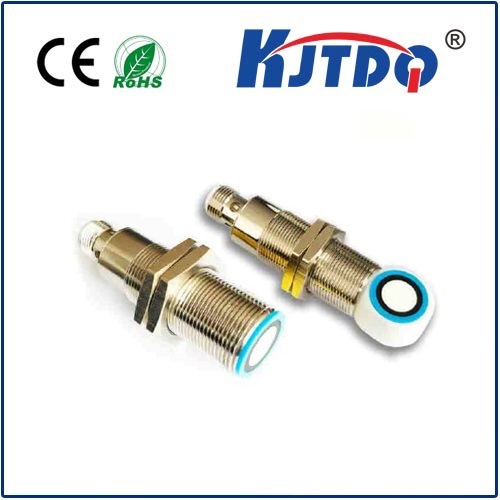
Modern inductive sensors with LED indicators are engineered to withstand harsh industrial environments. They typically feature robust housing in materials like nickel-plated brass or stainless steel, offering high resistance to chemicals, oils, and physical impacts. The LED itself is designed for high visibility and long life. Many models also incorporate advanced functionalities such as short-circuit protection, overload protection, and immunity to electrical interference, ensuring stable operation alongside motors, welders, and other electrically noisy equipment.
From automotive assembly lines and packaging machinery to material handling robots and metalworking centers, the applications are vast. They are indispensable for tasks like counting metal parts, monitoring spindle position, detecting end-of-travel on actuators, or ensuring proper jig placement. The LED indicator turns a simple switching device into an intelligent node in the Industrial Internet of Things (IIoT) ecosystem, providing valuable, accessible status data that supports predictive maintenance strategies.
In conclusion, the inductive proximity sensor with an integrated LED indicator is more than just an incremental upgrade. It is a critical tool for enhancing operational efficiency, reducing maintenance costs, and increasing overall system reliability. By delivering instant visual diagnostics, it empowers personnel, streamlines processes, and provides a clear window into the health of automated systems, making it a smart and essential choice for forward-thinking manufacturing and industrial operations.