check

check

check

check
check
check
check
check

check

check
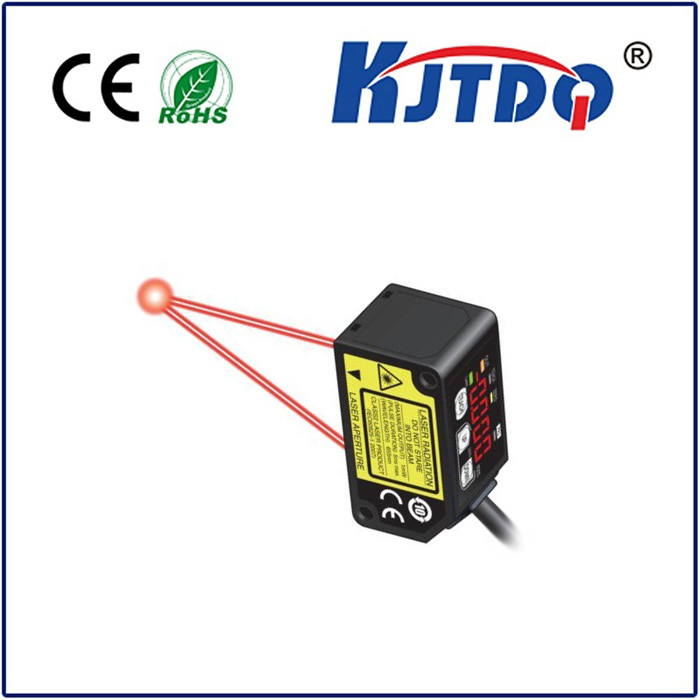
In the realm of modern technology, the LiDAR rangefinder sensor stands as a pivotal innovation, transforming how we perceive and interact with the physical world. This advanced device operates by emitting laser pulses and measuring the time it takes for them to reflect off objects, thereby generating precise three-dimensional maps of environments. Unlike traditional optical sensors, LiDAR excels in capturing detailed spatial data even in low-light or complex conditions, making it indispensable across a wide array of industries. From autonomous vehicles navigating busy streets to archaeologists uncovering hidden historical sites, the applications of LiDAR are vast and continually expanding.
The core functionality of a LiDAR rangefinder sensor lies in its ability to deliver high-accuracy distance measurements. By utilizing light detection and ranging principles, it calculates ranges with minimal error margins, often down to centimeter-level precision. This reliability is crucial for tasks requiring exact spatial awareness, such as in robotics, where machines must avoid obstacles and maneuver efficiently. In construction and surveying, LiDAR sensors enable rapid topographic mapping, reducing project timelines and enhancing safety by identifying potential hazards before ground is broken. Moreover, environmental scientists employ these sensors to monitor forest canopies, track glacial movements, and assess coastal erosion, providing valuable insights for conservation efforts.
One of the most prominent uses of LiDAR rangefinder sensors is in the development of self-driving cars. These vehicles rely on LiDAR to create real-time, 360-degree views of their surroundings, detecting pedestrians, other vehicles, and road features with unparalleled clarity. This technology enhances decision-making algorithms, ensuring safer and more efficient transportation systems. Beyond automotive applications, LiDAR is revolutionizing agriculture through precision farming. Farmers use sensors mounted on drones or tractors to analyze crop health, optimize irrigation, and manage resources, leading to increased yields and sustainable practices. In urban planning, LiDAR aids in designing smarter cities by modeling infrastructure and simulating traffic flows, ultimately improving livability and reducing environmental impact.
The evolution of LiDAR rangefinder sensors has been marked by significant advancements in miniaturization and cost reduction. Early systems were bulky and expensive, limiting their adoption to specialized fields. However, recent innovations have produced compact, affordable models that are accessible to smaller businesses and hobbyists. This democratization of technology has spurred creativity, with uses emerging in virtual reality, gaming, and even smartphone integrations. As manufacturing techniques improve, we can expect LiDAR sensors to become even more ubiquitous, driving further innovation in areas like wearable tech and home automation.
Despite its many benefits, the LiDAR rangefinder sensor faces challenges, including sensitivity to weather conditions like fog or heavy rain, which can scatter laser beams and reduce accuracy. Researchers are actively working on solutions, such as multi-wavelength systems and enhanced signal processing, to mitigate these issues. Additionally, privacy concerns arise from the detailed environmental data collected, prompting discussions on ethical guidelines and data protection measures. By addressing these hurdles, the industry aims to foster trust and broaden adoption, ensuring LiDAR's positive impact on society.
Looking ahead, the future of LiDAR rangefinder sensors appears bright, with ongoing research focused on increasing range, resolution, and energy efficiency. Integration with artificial intelligence and machine learning is poised to unlock new capabilities, enabling predictive analytics and adaptive systems. As global demand for automation and data-driven insights grows, LiDAR will undoubtedly play a central role in shaping technological progress. From enhancing everyday conveniences to tackling global challenges like climate change, this sensor technology continues to push boundaries, offering a clearer vision of our world and beyond.