check

check

check

check
check
check
check
check

check

check
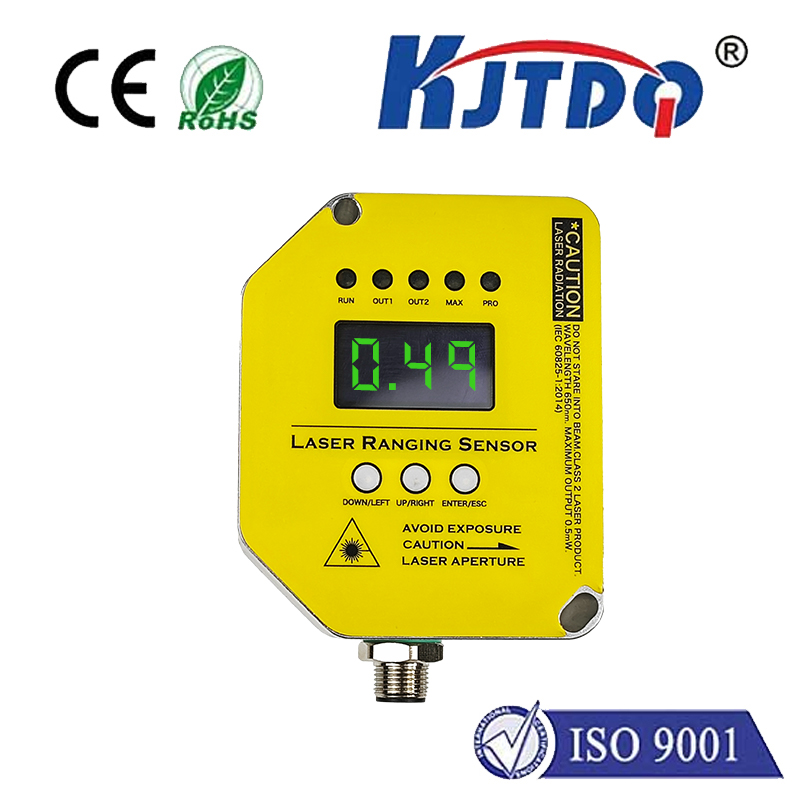
In the intricate world of industrial automation, robotics, and smart systems, the demand for precise, reliable, and non-contact measurement is paramount. Enter the Laser Ranging Sensor, a technological marvel that has become indispensable across countless applications. Far from being a simple tool, these sensors represent a sophisticated fusion of optics, electronics, and advanced signal processing, delivering micron-level accuracy where it matters most.
At its core, a Laser Ranging Sensor operates on the principle of time-of-flight or phase-shift measurement. It emits a focused beam of laser light towards a target. The sensor then precisely measures the time it takes for the reflected light to return. By calculating this interval against the constant speed of light, the sensor determines the exact distance to the object with astonishing speed and reliability. This non-contact method eliminates mechanical wear, minimizes interference from environmental factors like dust or ambient light (in well-designed models), and provides consistent performance even on challenging surfaces.
The applications for Laser Ranging Sensors are vast and continually expanding. In manufacturing, they are the eyes of robotic arms, guiding precise pick-and-place operations, ensuring consistent weld seam tracking, and conducting high-speed quality inspections by verifying component dimensions. Within the logistics sector, these sensors enable automated guided vehicles (AGVs) to navigate warehouses safely, manage inventory by measuring stockpile volumes, and control conveyor belt systems. The construction industry leverages them for terrain mapping, crane positioning, and monitoring structural deformations with unparalleled accuracy.
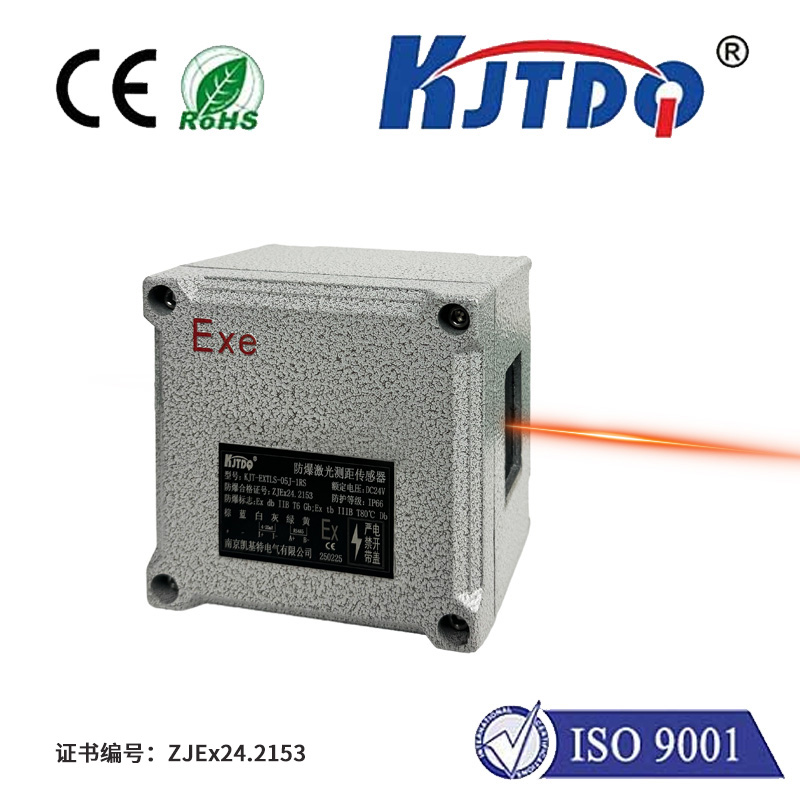
Choosing the right Laser Ranging Sensor requires careful consideration of several key parameters. Measurement range is fundamental, varying from a few centimeters for ultra-precise assembly tasks to several hundred meters for large-scale surveying. The required accuracy and repeatability will dictate the sensor's grade and technology level. Response time is critical for high-speed production lines, where measurements must be taken in milliseconds. Environmental robustness is another crucial factor; industrial-grade sensors feature rugged housings with high IP ratings to withstand vibrations, temperature fluctuations, and exposure to coolants or oils.
Modern advancements are pushing the boundaries of what these sensors can achieve. Integration with Industrial Internet of Things (IIoT) platforms allows for real-time data streaming, predictive maintenance alerts, and seamless integration into larger control systems. Enhanced algorithms improve performance on low-reflectivity or transparent surfaces, which were once challenging. Furthermore, the development of miniaturized sensors opens new possibilities for integration into compact consumer electronics and portable devices.
Implementing a Laser Ranging Sensor system effectively goes beyond just selecting a device. Proper installation is vital to avoid optical interference. Regular calibration ensures long-term accuracy, and understanding the sensor's output interface—whether analog voltage, current loop, or digital protocols like IO-Link and Ethernet/IP—is essential for system integration. Training for maintenance personnel on basic troubleshooting can significantly reduce downtime and maximize return on investment.
Ultimately, the Laser Ranging Sensor is more than just a measuring device; it is a fundamental enabler of efficiency, quality, and safety. By providing a precise digital representation of the physical world, it allows machines to interact with their environment intelligently and autonomously. From optimizing complex production processes to enabling the next generation of autonomous mobile robots, this technology continues to be a critical driver of innovation, helping businesses achieve new levels of operational excellence and build a more connected, intelligent industrial landscape.