check

check

check

check
check
check
check
check

check

check
In the bustling environments of construction sites, shipping ports, and industrial facilities, the operation of multiple cranes in close proximity is a common necessity. However, this operational reality introduces a significant risk: crane collisions. Such incidents can lead to catastrophic consequences, including severe equipment damage, costly project delays, and most critically, life-threatening injuries to personnel. Addressing this critical safety challenge requires more than just skilled operators and strict protocols; it demands intelligent, reliable technological intervention. This is where the KJTDQ Crane Anti-Collision System establishes itself as an indispensable guardian of modern heavy-lift operations.
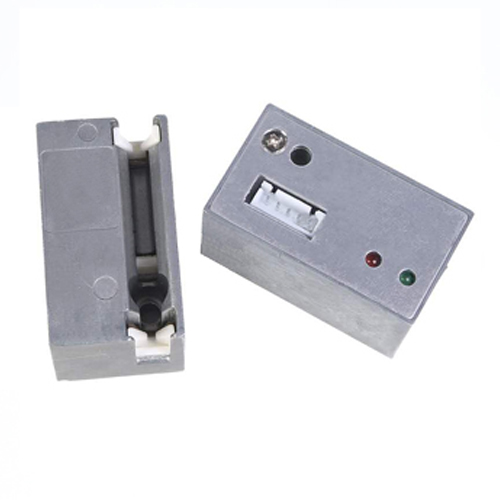
The KJTDQ system represents a paradigm shift in crane safety management. Moving beyond traditional reliance solely on human vigilance, it introduces a robust, automated layer of protection. At its core, the system utilizes a sophisticated network of sensors, including high-precision radar, laser rangefinders, and sometimes GPS or RFID technology. These components work in concert to continuously monitor the real-time position, speed, and trajectory of every crane and its load within a defined operational zone. The system creates a dynamic, three-dimensional safety envelope around each piece of equipment.
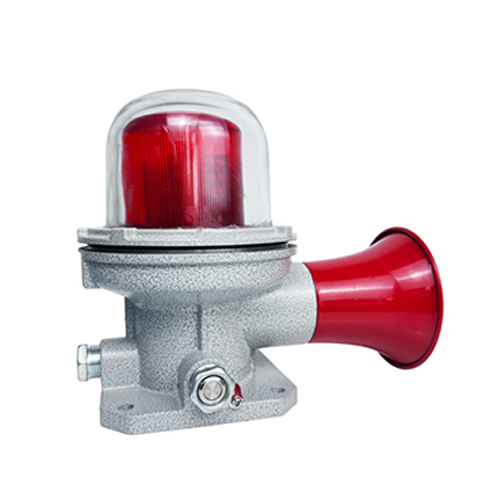
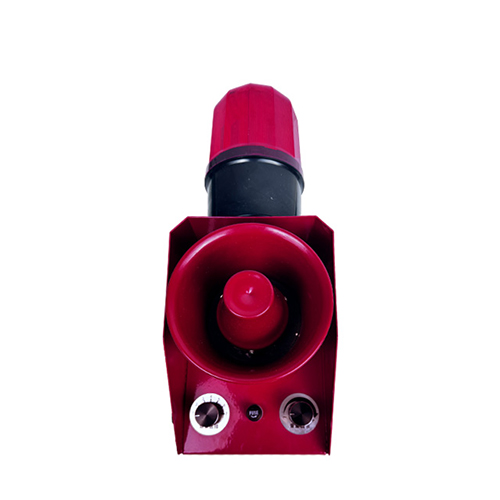
When the system's advanced algorithms calculate that the paths of two cranes or a crane and a fixed structure are on a converging course, it initiates a multi-stage warning protocol. Initially, visual and audible alerts are triggered in the operator's cabin, providing an early and clear indication of the potential hazard. This allows the operator to take immediate corrective action. If the risk persists and enters a critical pre-defined threshold, the KJTDQ system can automatically intervene. It can enforce a speed reduction, impose a movement restriction, or in extreme scenarios, initiate a controlled stop to prevent contact absolutely. This proactive approach transforms safety from a reactive measure to an integrated, predictive function.
The benefits of implementing the KJTDQ Crane Anti-Collision System extend far beyond the primary goal of accident prevention. Firstly, it dramatically enhances on-site safety culture, protecting both valuable assets and, more importantly, human lives. This leads to a significant reduction in insurance premiums and liability risks for companies. Secondly, by preventing unplanned downtime caused by collisions or near-misses, it ensures smoother project workflows and protects tight construction schedules. Operators can work with greater confidence and focus on precision and efficiency, knowing they have a reliable safety net.
Furthermore, the system provides valuable operational data. Managers gain insights into crane utilization patterns, near-miss events, and operator behavior. This data is crucial for optimizing workflow, planning lift sequences more effectively, and identifying areas for additional training or procedural refinement. The KJTDQ system is designed for versatility and can be integrated with various crane types, including overhead bridge cranes, gantry cranes, and tower cranes, making it a scalable solution for diverse industrial applications.
In an industry where margins are tight and safety standards are continually rising, the KJTDQ Crane Anti-Collision System is not merely an optional accessory; it is a fundamental component of a responsible and modern operational strategy. It embodies the commitment to achieving zero-harm workplaces while simultaneously driving productivity and protecting capital investment. By creating an intelligent barrier against one of the most severe risks in material handling, the KJTDQ system empowers companies to build higher, lift heavier, and operate smarter, setting a new benchmark for safety and performance in crane operations worldwide.